
 EN
EN
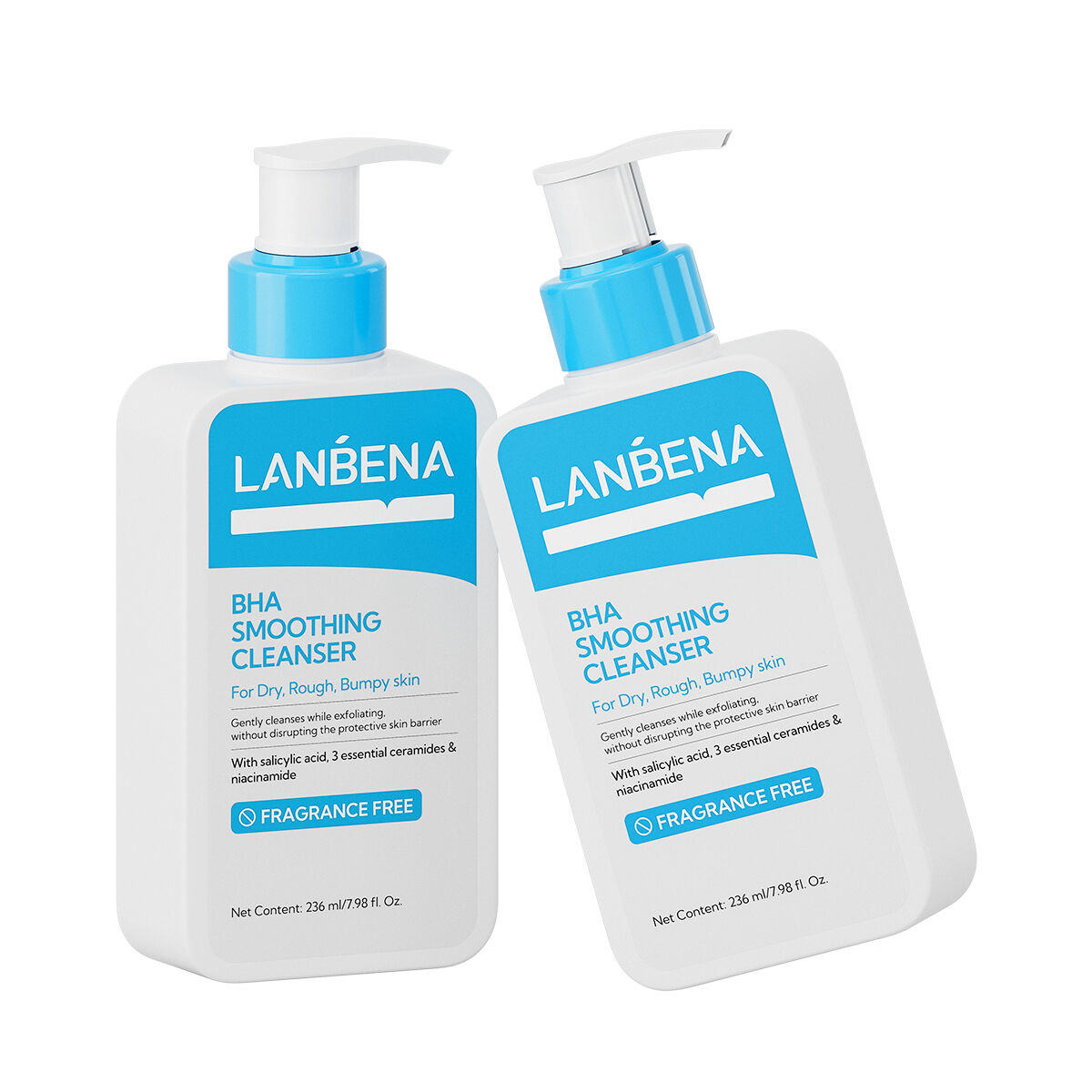
Choosing the right facial cleanser is a fundamental step in establishing an effective skincare routine that addresses your specific skin concerns. Understanding your skin type and its unique needs allows you to select a facial cleanser that removes impurities without disrupting your skin's natural barrier. The modern beauty market offers countless options, making it essential to understand the key ingredients and formulations that work best for different skin types.
A proper facial cleanser serves as the foundation of healthy skin by removing dirt, excess oils, makeup residue, and environmental pollutants that accumulate throughout the day. However, not all cleansers are created equal, and using the wrong product can lead to irritation, dryness, or even increased oil production. Understanding the science behind different cleansing formulations helps you make informed decisions about which products will support your skin's health and appearance.
Understanding Different Skin Types
Identifying Oily Skin Characteristics
Oily skin presents with enlarged pores, a shiny T-zone, and a tendency toward blackheads and acne breakouts. This skin type produces excess sebum, particularly in the forehead, nose, and chin areas. People with oily skin often notice their makeup sliding off during the day and may feel the need to blot their face frequently. The overproduction of oil can be influenced by genetics, hormones, diet, and environmental factors.
When selecting a facial cleanser for oily skin, look for formulations that contain salicylic acid, benzoyl peroxide, or tea tree oil. These ingredients help control oil production while unclogging pores and preventing bacterial growth. Gel-based or foam cleansers typically work well for this skin type, as they provide thorough cleansing without adding extra moisture that could contribute to greasiness.
Recognizing Dry Skin Symptoms
Dry skin feels tight, rough, or flaky and may appear dull or lack radiance. This condition occurs when the skin barrier is compromised and cannot retain adequate moisture. Environmental factors such as cold weather, low humidity, hot showers, and harsh skincare products can exacerbate dryness. People with dry skin may experience itching, irritation, or premature signs of aging due to dehydration.
The ideal facial cleanser for dry skin should be gentle and moisturizing, containing ingredients like hyaluronic acid, glycerin, or ceramides. Cream-based or oil-based cleansers work exceptionally well for this skin type, as they cleanse while adding moisture to the skin. Avoid products with strong fragrances, alcohol, or harsh surfactants that can further strip the skin of its natural oils.
Understanding Combination Skin Patterns
Combination skin exhibits characteristics of both oily and dry skin, typically featuring an oily T-zone with drier cheeks and outer areas of the face. This skin type requires a balanced approach to cleansing that addresses both concerns without over-treating either area. Many people with combination skin struggle to find products that work effectively for their entire face.
A gentle, pH-balanced facial cleanser works best for combination skin, providing adequate cleansing for oily areas while maintaining moisture in drier zones. Look for formulations that contain niacinamide or gentle acids that can help balance oil production without causing irritation to sensitive areas of the face.
Key Ingredients for Effective Cleansing
Active Ingredients for Problem Skin
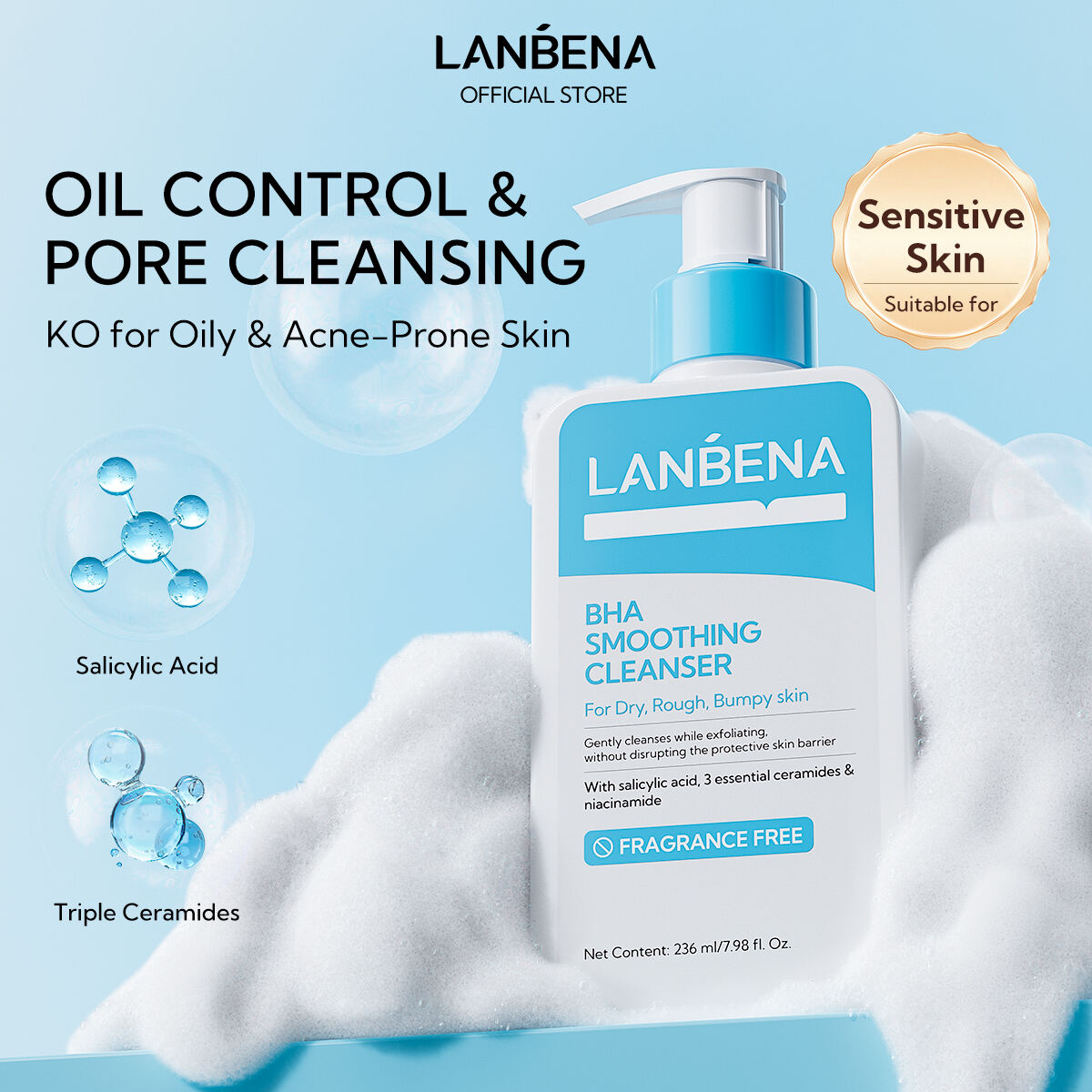
Salicylic acid stands out as one of the most effective ingredients for treating acne-prone and oily skin types. This beta-hydroxy acid penetrates deep into pores to dissolve oil and dead skin cells, preventing clogged pores and reducing inflammation. When incorporated into a facial cleanser, salicylic acid provides both immediate cleansing benefits and long-term skin improvement through regular use.
Benzoyl peroxide offers powerful antibacterial properties that target acne-causing bacteria while helping to unclog pores. However, this ingredient can be drying and may cause initial irritation, making it important to introduce gradually and follow up with appropriate moisturization. Alpha-hydroxy acids like glycolic acid and lactic acid provide gentle exfoliation while cleansing, promoting cell turnover and improving skin texture.
Moisturizing and Soothing Components
Hyaluronic acid has become increasingly popular in facial cleansers due to its ability to hold up to 1000 times its weight in water. This ingredient helps maintain skin hydration during the cleansing process, preventing the tight, dry feeling often associated with traditional cleansers. Glycerin acts as a humectant, drawing moisture from the environment to keep skin soft and supple.
Ceramides play a crucial role in maintaining the skin barrier and preventing moisture loss. A facial cleanser containing ceramides helps restore and strengthen the skin's natural protective barrier while providing effective cleansing. Natural ingredients like aloe vera, chamomile, and green tea extract offer anti-inflammatory benefits that can soothe irritated or sensitive skin during the cleansing process.
Application Techniques and Best Practices
Proper Cleansing Methods
The technique used to apply your facial cleanser is just as important as the product itself. Begin with clean hands and lukewarm water, as hot water can strip the skin of natural oils and cause irritation. Apply a small amount of cleanser to damp skin and gently massage in circular motions, focusing on areas where oil and impurities tend to accumulate.
Spend at least 30 seconds massaging the facial cleanser into your skin to ensure thorough removal of dirt, makeup, and pollutants. Pay special attention to the hairline, jawline, and around the nose where buildup commonly occurs. Avoid scrubbing too vigorously, as this can cause micro-tears in the skin and lead to irritation or increased sensitivity.
Timing and Frequency Guidelines
Most skin types benefit from cleansing twice daily, once in the morning and once in the evening. Morning cleansing removes oil and impurities that accumulate overnight, while evening cleansing eliminates the day's buildup of makeup, sunscreen, and environmental pollutants. However, those with very dry or sensitive skin may find that cleansing once daily in the evening is sufficient.
After applying your facial cleanser, rinse thoroughly with lukewarm water and pat dry with a clean towel. Follow immediately with appropriate toner, serum, and moisturizer while the skin is still slightly damp to lock in hydration. Consistency in your cleansing routine is key to seeing improvements in skin health and appearance.
Common Mistakes and How to Avoid Them
Over-Cleansing and Product Misuse
One of the most common mistakes people make is over-cleansing their skin in an attempt to achieve better results. Using a facial cleanser more than twice daily or choosing products that are too harsh can disrupt the skin's natural barrier and lead to increased oil production, irritation, or sensitivity. The skin requires a certain amount of natural oils to function properly and maintain its protective barrier.
Another frequent error is using the wrong type of facial cleanser for your skin type or switching products too frequently. Your skin needs time to adjust to new formulations, typically 4-6 weeks, before you can accurately assess their effectiveness. Constantly changing products can prevent you from identifying what works best for your individual needs and may cause unnecessary irritation.
Ingredient Compatibility Issues
Understanding ingredient interactions is crucial when incorporating a new facial cleanser into your routine. Certain active ingredients like retinoids, vitamin C, and acids can interact negatively when used together or in quick succession. For example, using a salicylic acid cleanser immediately before applying a retinoid product can increase the risk of irritation and dryness.
Always introduce new products gradually and monitor your skin's response. If you're using prescription skincare medications or have sensitive skin, consult with a dermatologist before adding new active ingredients to your routine. This professional guidance can help prevent adverse reactions and ensure your skincare regimen works synergistically rather than against itself.
Professional Recommendations and Tips
Dermatologist-Approved Selection Criteria
Dermatologists emphasize the importance of choosing a facial cleanser based on your skin's current condition rather than your desired outcome alone. For instance, if you have dry skin but want to address occasional breakouts, select a gentle, moisturizing cleanser rather than a harsh acne-fighting formula that could exacerbate dryness and potentially worsen your skin condition.
Look for products that are non-comedogenic, meaning they won't clog pores, and fragrance-free if you have sensitive skin. The pH level of your facial cleanser should be close to your skin's natural pH of approximately 5.5 to maintain the acid mantle that protects against bacteria and environmental damage. Many dermatologists recommend patch testing new products on a small area of skin before full application.
Seasonal Adjustments and Lifestyle Factors
Your skin's needs may change throughout the year due to environmental factors, making it important to adjust your facial cleanser selection accordingly. During winter months, when humidity levels drop and heating systems dry out indoor air, you may need to switch to a more moisturizing cleanser even if you typically have oily skin.
Lifestyle factors such as exercise frequency, makeup use, and environmental exposure should also influence your cleanser choice. If you exercise regularly or live in a polluted urban environment, you may benefit from a more thorough cleansing formulation that can remove stubborn impurities without over-drying your skin. Consider having multiple cleansers available to address different situations and seasonal changes.
FAQ
How often should I change my facial cleanser
You should generally stick with a facial cleanser for at least 4-6 weeks to properly evaluate its effectiveness. However, you may need to change your cleanser seasonally or if your skin condition changes significantly due to factors like hormones, age, or environmental conditions. If you experience persistent irritation, breakouts, or changes in skin texture after introducing a new cleanser, consider switching to a gentler formula or consulting a dermatologist.
Can I use the same facial cleanser for morning and evening routines
Yes, most people can use the same facial cleanser for both morning and evening routines. However, some individuals prefer a gentler cleanser in the morning and a more thorough cleansing formula in the evening to remove makeup and daily buildup. If you wear heavy makeup or sunscreen, you might benefit from double cleansing in the evening, starting with an oil-based cleanser followed by your regular facial cleanser.
What should I do if my facial cleanser causes irritation
If your facial cleanser causes redness, burning, excessive dryness, or breakouts, discontinue use immediately and return to a gentle, fragrance-free formula you've used successfully before. Allow your skin to recover for several days before introducing any new products. If irritation persists or worsens, consult a dermatologist to rule out allergic reactions or underlying skin conditions that may require professional treatment.
Is it necessary to use a different facial cleanser for different areas of my face
While most people can use one facial cleanser for their entire face, those with combination skin might benefit from targeted approaches. However, using different products on different areas can be time-consuming and may lead to over-treatment. Instead, choose a balanced, gentle cleanser suitable for your most sensitive areas, and consider using targeted treatments like spot treatments for specific concerns rather than different cleansing products.