 EN
EN
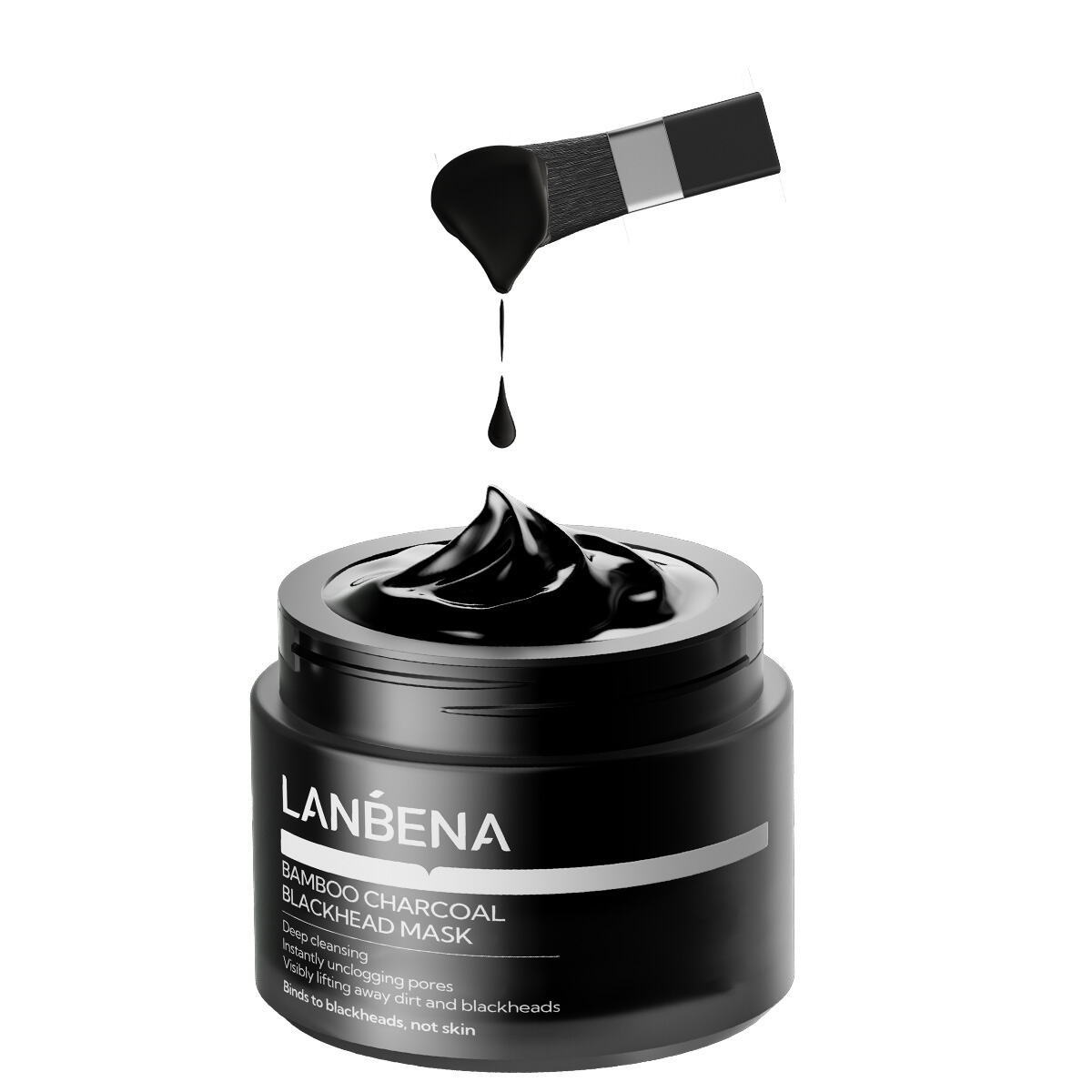
Blackheads and enlarged pores can be persistent skincare concerns that affect people of all ages and skin types. While there are numerous treatment options available, nose strips have emerged as one of the most popular and accessible solutions for addressing these issues. These adhesive strips work by adhering to the skin and pulling out impurities when removed, making them an attractive option for those seeking immediate results. Understanding the proper techniques and best practices for using nose strips can significantly enhance their effectiveness while minimizing potential skin irritation or damage.
The effectiveness of nose strips largely depends on proper application and preparation techniques. Many users make the mistake of applying these products to dry or inadequately prepared skin, which can reduce their ability to extract blackheads and sebaceous filaments effectively. Professional dermatologists and skincare experts recommend following specific protocols to maximize the benefits of nose strips while protecting the delicate skin around the nasal area. These guidelines encompass everything from pre-treatment preparation to post-application care, ensuring that users achieve optimal results without compromising their skin health.
Understanding How Nose Strips Work
The Science Behind Adhesive Extraction
Nose strips operate on a simple yet effective principle of adhesive extraction that targets the contents of clogged pores. The adhesive material bonds with the keratin plugs, sebum, and debris that accumulate within pores, particularly those found on the nasal area where oil production tends to be higher. When the strip is removed, it pulls out these impurities along with some of the surrounding dead skin cells, creating the visible results that users often find satisfying. The strength of the adhesive must be carefully balanced to ensure effective extraction without causing excessive trauma to the surrounding healthy skin tissue.
The mechanism of action involves the adhesive forming temporary bonds with the protruding portions of blackheads and sebaceous filaments. These bonds become stronger as the strip dries and conforms to the contours of the nose, allowing for maximum contact with the targeted impurities. The removal process creates a pulling force that dislodges the accumulated debris from within the pores, though it's important to note that nose strips primarily address surface-level concerns rather than deep-seated comedones or underlying skin conditions.
Types of Impurities Targeted
Different types of pore congestion respond variably to nose strip treatments, and understanding these distinctions can help users set realistic expectations for their results. Blackheads, which are oxidized sebaceous plugs that appear dark due to exposure to air, are typically the most responsive to strip treatments. These open comedones have portions that extend above the skin surface, making them accessible to the adhesive properties of nose strips. Sebaceous filaments, which are natural structures that help channel oil to the skin surface, may also be partially extracted but will naturally refill over time as they serve a normal physiological function.
Whiteheads and closed comedones are generally less responsive to nose strips because they lack the surface exposure necessary for effective adhesive contact. Dead skin cells and surface debris can also be removed during the process, contributing to the overall smoothing effect that many users experience. However, deeper impurities or those associated with inflammatory acne conditions may require alternative treatment approaches, as nose strips are primarily designed for surface-level extraction rather than treating underlying skin disorders.
Pre-Application Preparation Techniques
Proper Skin Cleansing Methods
Effective preparation begins with thorough cleansing to remove surface oils, makeup, and environmental pollutants that could interfere with strip adhesion. Using a gentle, pH-balanced cleanser helps ensure that the skin is clean without being overly stripped of its natural protective barriers. The cleansing process should focus on the nasal area while avoiding harsh scrubbing that could cause irritation or micro-tears in the skin. Lukewarm water is preferred over hot water, as excessive heat can cause inflammation and make the skin more sensitive to the upcoming extraction process.
Double cleansing techniques, commonly used in Korean skincare routines, can be particularly beneficial before applying nose strips. This involves using an oil-based cleanser first to dissolve sebum and makeup, followed by a water-based cleanser to remove any remaining impurities. The dual approach ensures that the skin is optimally prepared for strip adhesion while maintaining the skin's natural moisture balance. Allow the skin to air dry for a few minutes after cleansing, but avoid letting it become completely dry, as slight moisture can actually enhance strip effectiveness.
Steam Treatment and Pore Opening
Steam treatment represents one of the most crucial preparatory steps for maximizing nose strip effectiveness, as it helps soften the contents of clogged pores and makes extraction easier. Professional estheticians often recommend steam treatments lasting 5-10 minutes before applying extraction products. This can be achieved by holding the face over a bowl of hot water with a towel draped over the head to trap the steam, or by using specialized facial steamers designed for home use. The heat and moisture work together to soften hardened sebum and keratin plugs, making them more susceptible to removal.
Alternative methods for achieving similar pore-opening effects include taking a hot shower or applying warm, damp towels to the nasal area for several minutes. The key is to achieve sufficient warming without causing excessive redness or irritation that could complicate the extraction process. Some skincare enthusiasts incorporate essential oils like tea tree or eucalyptus into their steam treatments, though this should be done cautiously to avoid potential allergic reactions. The goal is to achieve optimal pore dilation while maintaining skin comfort and safety throughout the preparation phase.
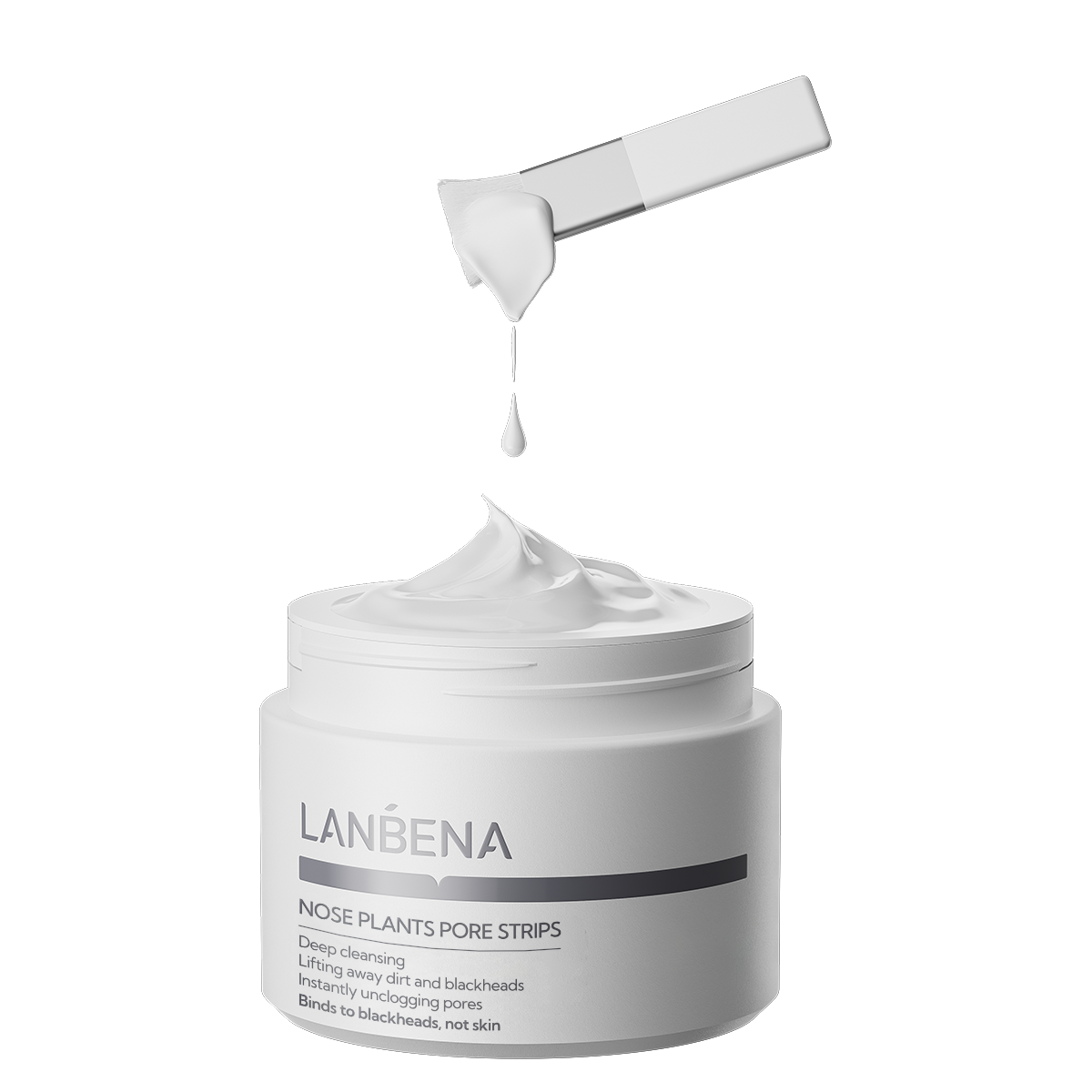
Step-by-Step Application Process
Timing and Technique Considerations
The timing of nose strip application plays a critical role in achieving optimal results while minimizing potential adverse effects. Most nose strips require the skin to be slightly damp for proper adhesion, but not so wet that water interferes with the bonding process. After completing the preparation steps, gently pat the nasal area with a clean towel, leaving it slightly moist to the touch. This residual moisture helps activate the adhesive properties of most commercial nose strips while ensuring they conform properly to the contours of the nose.
The application technique itself requires careful attention to positioning and pressure distribution. Start by removing the protective backing from the strip and immediately applying it to the nasal area, beginning from the bridge of the nose and working outward toward the nostrils. Apply firm, even pressure across the entire surface of the strip, paying particular attention to the edges where lifting is most likely to occur. Use your fingertips to smooth out any air bubbles or wrinkles that could compromise adhesion or create uneven extraction patterns.
Duration and Removal Protocol
Most nose strips require a specific duration to achieve optimal bonding with pore contents, typically ranging from 10 to 15 minutes depending on the product formulation and individual skin characteristics. Setting a timer helps ensure consistent results and prevents over-adherence that could lead to skin irritation or damage upon removal. During the waiting period, avoid touching or manipulating the strip, as this can compromise its effectiveness and potentially cause premature lifting at the edges.
The removal process requires a swift, confident motion rather than slow, tentative pulling that can increase discomfort and reduce effectiveness. Grasp one edge of the strip firmly and pull it off in a quick, smooth motion in the direction opposite to hair growth patterns. Some discomfort is normal during removal, but excessive pain may indicate that the strip has been left on too long or that the skin was not properly prepared. Immediately after removal, examine the strip for extracted debris and assess the skin for any signs of irritation that may require attention.
Post-Treatment Care and Recovery
Immediate Aftercare Protocols
The immediate period following nose strip removal is crucial for maintaining skin health and preventing complications such as irritation or infection. Begin by gently rinsing the treated area with cool water to remove any adhesive residue and soothe the skin. Avoid using harsh cleansers or exfoliating products immediately after treatment, as the skin may be temporarily more sensitive than usual. Pat the area dry with a clean, soft towel using gentle blotting motions rather than rubbing, which could cause additional irritation to the freshly treated skin.
Apply a gentle, alcohol-free toner or astringent to help close the temporarily enlarged pores and restore the skin's pH balance. Products containing witch hazel, rose water, or niacinamide can be particularly beneficial during this phase, as they provide soothing and pore-minimizing effects without causing excessive dryness. Some users find that applying a cold compress or ice wrapped in a thin cloth for a few minutes can help reduce any redness or swelling that may occur after nose strip use.
Long-term Skin Maintenance
Establishing a consistent skincare routine following nose strip treatments helps maintain the benefits and prevent rapid re-accumulation of pore debris. Incorporate gentle exfoliation methods such as beta hydroxy acids (BHAs) or alpha hydroxy acids (AHAs) into your routine 2-3 times per week to help prevent new blackhead formation. These chemical exfoliants work by dissolving the bonds between dead skin cells and promoting cellular turnover, which can help keep pores clear between nose strip applications.
Moisturizing becomes particularly important after using nose strips, as the extraction process can temporarily disrupt the skin's barrier function. Choose non-comedogenic moisturizers that provide hydration without clogging pores or contributing to future blackhead formation. Products containing hyaluronic acid, ceramides, or niacinamide can help restore the skin's natural protective barrier while providing anti-inflammatory benefits that support the healing process.
Common Mistakes and How to Avoid Them
Overuse and Frequency Errors
One of the most prevalent mistakes in nose strip usage involves overuse, which can lead to skin irritation, sensitivity, and even damage to the delicate nasal area. Many users, encouraged by immediate visible results, attempt to use nose strips daily or multiple times per week, not realizing that this frequency can compromise the skin's natural barrier function. Dermatologists generally recommend limiting nose strip use to once or twice per week maximum, allowing adequate recovery time between applications for the skin to restore its natural protective mechanisms.
The temptation to increase frequency often stems from unrealistic expectations about pore maintenance and blackhead prevention. It's important to understand that some degree of pore filling is natural and normal, particularly with sebaceous filaments that serve important physiological functions. Overuse of nose strips can lead to increased sensitivity, redness, and paradoxically, increased oil production as the skin attempts to compensate for repeated barrier disruption. Establishing a sustainable routine that incorporates nose strips as one component of a comprehensive skincare regimen yields better long-term results than aggressive overuse.
Application and Removal Technique Errors
Improper application techniques can significantly reduce the effectiveness of nose strips while potentially causing unnecessary skin trauma. Common errors include applying strips to completely dry skin, which reduces adhesion and extraction capability, or to overly wet skin, which can prevent proper bonding with pore contents. Another frequent mistake involves inadequate smoothing during application, leaving air bubbles or wrinkles that create uneven extraction patterns and reduce overall effectiveness.
Removal technique errors are equally problematic and can lead to increased discomfort and potential skin damage. Slow, hesitant removal prolongs discomfort and may cause the strip to lose adhesion before complete extraction occurs. Conversely, removing strips too aggressively or at inappropriate angles can cause micro-tears in the skin or excessive irritation. The optimal removal technique involves a quick, confident motion performed at an appropriate angle relative to the skin surface, typically pulling from bottom to top in one smooth movement.
Maximizing Results Through Complementary Practices
Combining with Other Skincare Treatments
Nose strips work most effectively when incorporated into a comprehensive skincare routine that addresses multiple aspects of pore health and skin maintenance. Regular use of chemical exfoliants containing salicylic acid or glycolic acid can help prevent the accumulation of dead skin cells and sebum that contribute to blackhead formation. These products work synergistically with periodic nose strip treatments by maintaining clearer pores between extraction sessions and potentially reducing the amount of debris available for extraction.
Clay masks represent another complementary treatment that can enhance the effectiveness of nose strip routines. Applied 1-2 days before planned nose strip use, clay masks help draw out excess oil and soften pore contents, making subsequent extraction more effective. Bentonite and kaolin clays are particularly beneficial for this purpose, as they provide gentle absorption without excessive drying. Some users find that alternating between clay mask treatments and nose strips creates a comprehensive approach to pore maintenance that addresses both surface-level and deeper impurities.
Lifestyle Factors That Influence Effectiveness
Several lifestyle factors can significantly impact the effectiveness of nose strip treatments and overall pore health. Diet plays a crucial role, with high-glycemic foods and dairy products potentially contributing to increased sebum production and pore congestion in some individuals. Incorporating foods rich in omega-3 fatty acids, antioxidants, and vitamins A and E can support skin health and may reduce the frequency with which intensive pore treatments are needed.
Environmental factors such as humidity, pollution exposure, and sun damage also influence pore health and the effectiveness of extraction treatments. Using broad-spectrum sunscreen daily helps prevent UV-induced skin damage that can affect pore appearance and skin texture. Regular cleansing after exposure to polluted environments or after sweating helps prevent the accumulation of external debris that can contribute to pore congestion and reduce the effectiveness of nose strip treatments.
FAQ
How often should I use nose strips safely
Most dermatologists recommend using nose strips no more than once or twice per week to avoid over-irritation and skin damage. The skin needs time to recover between treatments, and overuse can lead to increased sensitivity, redness, and compromised barrier function. Individual skin types may require different frequencies, with sensitive skin requiring less frequent use and oily skin potentially tolerating slightly more frequent applications. Always monitor your skin's response and adjust frequency accordingly, reducing use if you notice persistent irritation or increased sensitivity.
Can nose strips cause permanent damage to pores
When used properly and with appropriate frequency, nose strips are unlikely to cause permanent pore damage. However, overuse or aggressive removal techniques can potentially lead to skin irritation, broken capillaries, or temporary enlargement of pores. The key is following proper application and removal techniques while maintaining reasonable frequency of use. If you experience persistent irritation, unusual sensitivity, or notice changes in your skin's texture or appearance, discontinue use and consult with a dermatologist for personalized advice.
What should I do if my skin becomes irritated after using nose strips
If irritation occurs after using nose strips, immediately discontinue use and focus on gentle, soothing skincare practices. Apply a cool compress to reduce inflammation, use gentle, fragrance-free moisturizers, and avoid other potentially irritating products like exfoliants or retinoids until the skin recovers. If irritation persists for more than a few days or if you experience severe redness, swelling, or pain, consult with a healthcare provider or dermatologist. Prevention is key, so ensure proper preparation and technique for future use, and consider reducing frequency or switching to gentler alternatives.
Are there alternatives to traditional adhesive nose strips
Several alternatives to traditional nose strips can provide similar pore-clearing benefits with potentially less irritation. Oil cleansing methods, particularly with jojoba or mineral oil, can help dissolve sebaceous plugs naturally over time. Chemical exfoliants containing beta hydroxy acids like salicyline acid provide gentle, ongoing pore maintenance without the mechanical stress of adhesive removal. Professional treatments such as facials with extractions, microdermabrasion, or chemical peels may also be considered for individuals seeking more comprehensive pore care solutions.