
 EN
EN
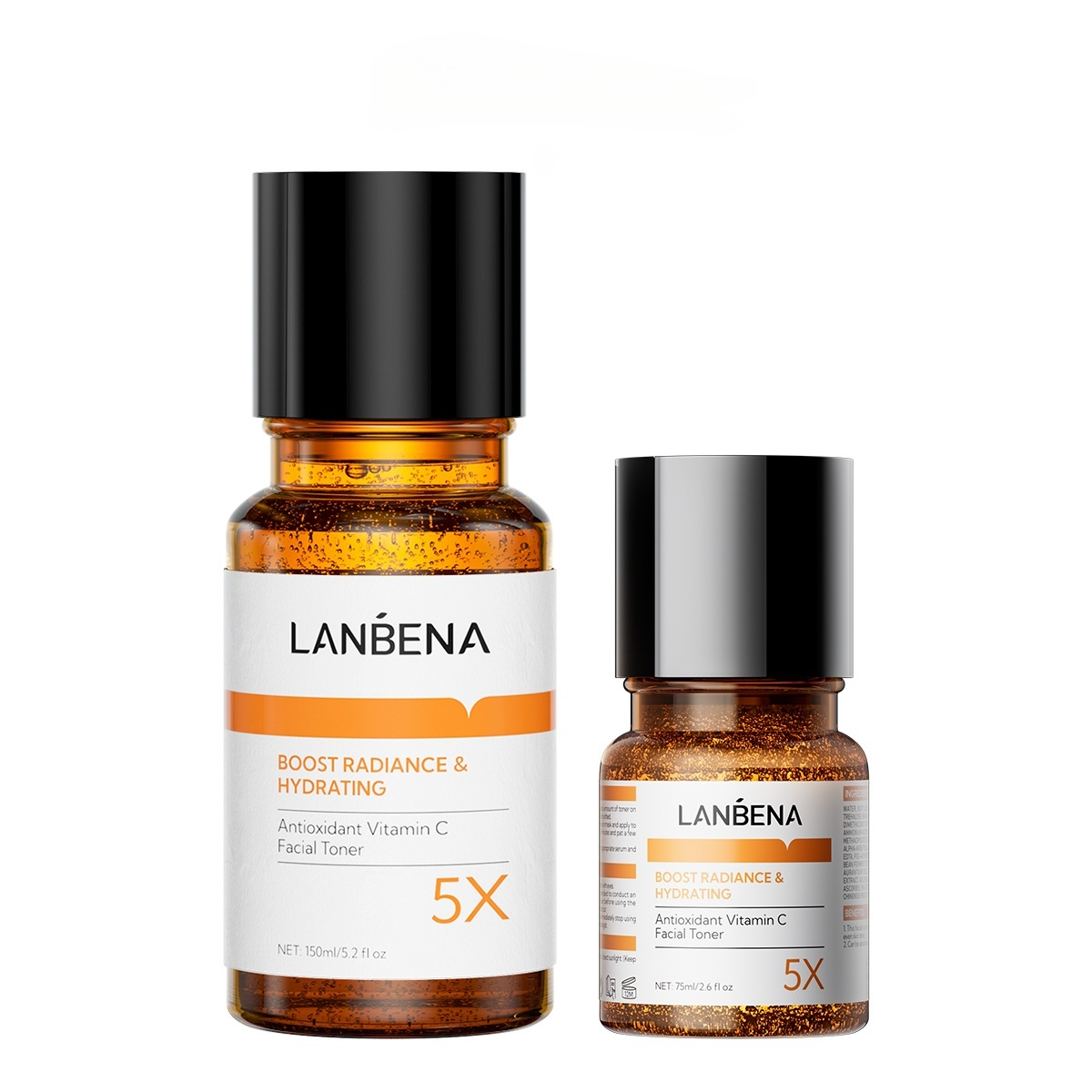
Proper storage of vitamin C serum is crucial for maintaining its potency and ensuring you receive the maximum benefits from this powerful skincare ingredient. Vitamin C, particularly in its L-ascorbic acid form, is notoriously unstable and can degrade rapidly when exposed to light, air, heat, and moisture. Understanding the science behind vitamin C degradation and implementing proper storage techniques can significantly extend the shelf life of your serum while preserving its brightening, anti-aging, and antioxidant properties. Many users unknowingly compromise their serum's effectiveness through improper storage, leading to oxidation, color changes, and reduced efficacy. This comprehensive guide will explore the essential factors that affect vitamin C serum stability and provide actionable strategies to maximize your investment in this valuable skincare product.
Understanding Vitamin C Serum Degradation
Chemical Structure and Stability Factors
The instability of vitamin C serum stems from its molecular structure, particularly when formulated with L-ascorbic acid, the most potent form of vitamin C. This water-soluble vitamin is highly susceptible to oxidation, a chemical process that occurs when the serum comes into contact with oxygen molecules. The oxidation process breaks down the active vitamin C molecules, converting them into dehydroascorbic acid and eventually into diketogulonic acid, which lacks the beneficial properties of the original compound. Temperature fluctuations accelerate this degradation process, with heat acting as a catalyst that speeds up molecular breakdown.
Light exposure, particularly UV radiation, triggers photodegradation reactions that destroy the vitamin C molecules within the serum. This is why most reputable manufacturers package their vitamin C serums in dark, opaque bottles to minimize light penetration. The pH level of the serum also plays a critical role in stability, with formulations requiring an acidic environment typically between pH 3.5 and 4.0 to maintain optimal stability. When the pH rises above this range, the vitamin C becomes increasingly unstable and prone to oxidation.
Signs of Serum Degradation
Recognizing the early signs of vitamin C serum degradation can help you determine whether your product is still effective or needs replacement. The most obvious indicator is color change, with fresh serums typically appearing clear or pale yellow, while oxidized serums develop deeper yellow, orange, or brown coloration. This color transformation occurs as the vitamin C molecules break down and form new compounds that alter the serum's appearance. Additionally, degraded serums often develop an unpleasant, metallic odor that differs significantly from the neutral or slightly citrusy scent of fresh formulations.
Texture changes can also signal degradation, with some serums becoming thicker, grittier, or developing crystalline particles that indicate molecular breakdown. The pH may shift toward neutral or alkaline levels, further compromising the serum's stability and effectiveness. Users may notice reduced efficacy in terms of brightening effects, reduced antioxidant protection, and diminished improvement in skin texture and tone when using degraded vitamin C serum.
Optimal Storage Conditions
Temperature Control Requirements
Maintaining consistent, cool temperatures is fundamental to preserving vitamin C serum potency and extending its shelf life. The ideal storage temperature ranges between 59-68°F (15-20°C), with refrigeration being the gold standard for long-term preservation. Storing your serum in the refrigerator can slow down the oxidation process by up to 50%, significantly extending the product's viability. However, avoid storing the serum in areas of the refrigerator where temperature fluctuations are common, such as the door compartments or near the freezer section.
Room temperature storage is acceptable for short-term use, but ensure the location remains consistently cool and away from heat sources such as radiators, direct sunlight, or bathroom areas where hot showers create temperature spikes. Avoid storing vitamin C serum in cars, where extreme temperature variations can rapidly degrade the formula. For travel purposes, consider using insulated cosmetic bags or portable coolers to maintain stable temperatures during transport.
Light Protection Strategies
Protecting vitamin C serum from light exposure requires both proper packaging and strategic storage location selection. While most quality serums come in amber or opaque bottles designed to block harmful light rays, additional protection measures can further enhance preservation. Store the serum in a dark cabinet, drawer, or cosmetic refrigerator away from direct and indirect light sources. Bathroom medicine cabinets with mirrors that reflect light should be avoided, as should areas near windows or under bright vanity lighting.
Consider investing in a dedicated skincare mini-refrigerator with opaque doors specifically designed for cosmetic storage. These units maintain consistent temperatures while providing complete light protection. If refrigerator storage isn't possible, wrap the serum bottle in aluminum foil or store it within a light-proof cosmetic bag to create an additional barrier against photodegradation. Remember that even brief exposure to bright light during daily use can contribute to gradual degradation over time.
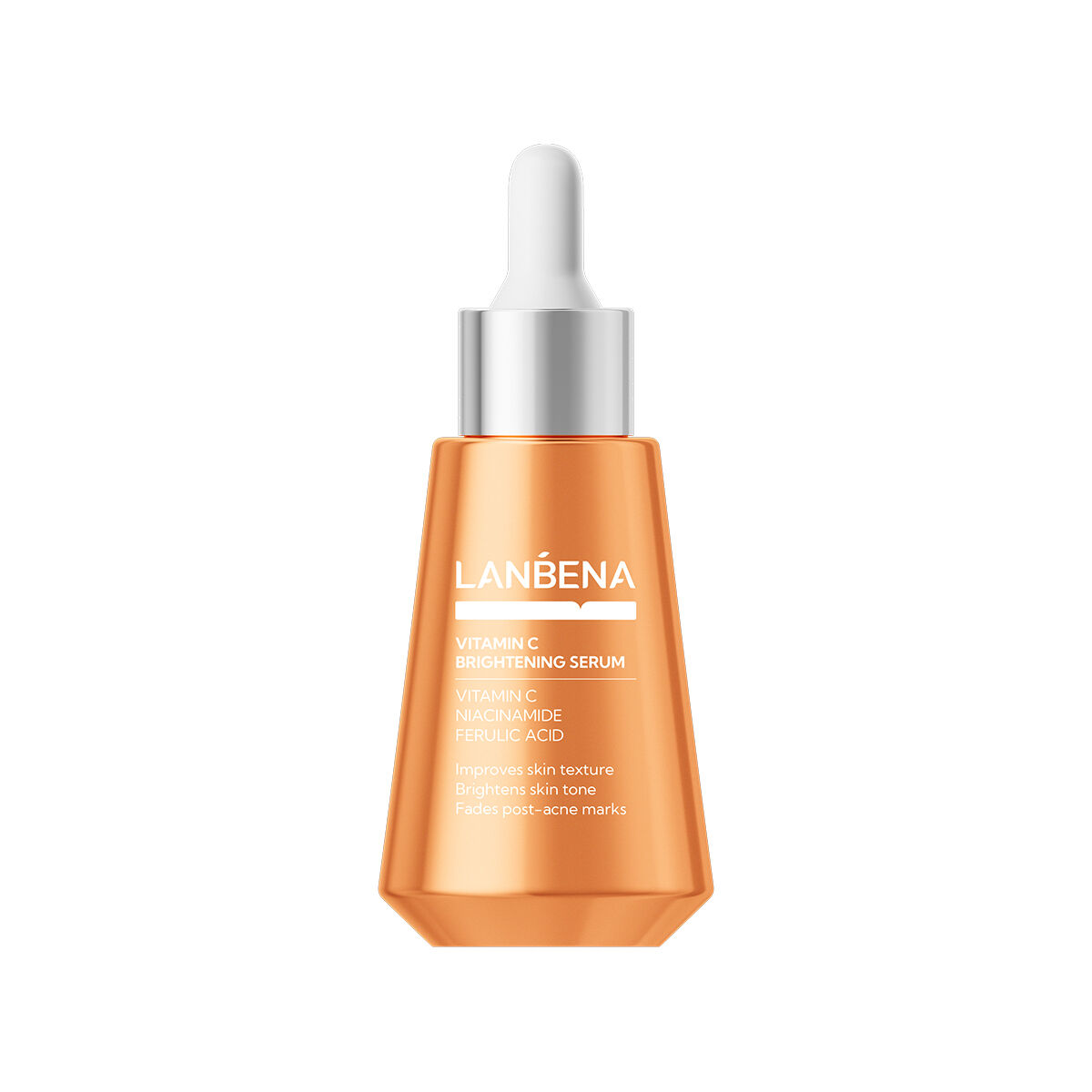
Container and Packaging Considerations
Airproof Sealing Methods
Minimizing air exposure is critical for maintaining vitamin C serum stability, as oxygen is the primary catalyst for oxidation reactions. Always ensure the bottle cap or dropper is tightly sealed immediately after use, eliminating air gaps that allow oxygen to interact with the serum. When using dropper bottles, avoid pumping the dropper multiple times, as this introduces additional air into the container and accelerates degradation. Instead, draw the required amount in a single, smooth motion.
Consider transferring large bottles of vitamin C serum into smaller, airtight containers to reduce the air-to-product ratio as you use the serum. Amber glass vials with tight-fitting caps or airless pump bottles provide excellent protection against oxidation. Some users employ vacuum-sealing techniques using specialized cosmetic storage systems that remove air from partially used bottles, though this requires careful handling to avoid contamination.
Material Selection and Compatibility
The container material significantly impacts vitamin C serum preservation, with glass being superior to plastic for long-term storage. Glass containers are non-reactive and provide better protection against temperature fluctuations and light penetration compared to plastic alternatives. Amber or cobalt blue glass offers additional UV protection, while clear glass should be reserved for products stored in completely dark environments. Avoid storing vitamin C serum in metal containers, as certain metals can catalyze oxidation reactions and accelerate degradation.
When selecting alternative storage containers, ensure they are made from high-grade, cosmetic-safe materials that won't leach chemicals into the serum. Food-grade glass containers with airtight seals can serve as suitable alternatives for transferring serums from damaged or impractical original packaging. Always sterilize containers before transferring products to prevent bacterial contamination that could compromise both safety and stability.
Daily Usage and Handling Best Practices
Application Timing and Technique
Proper handling during daily use significantly impacts the long-term stability of vitamin C serum and prevents premature degradation. Apply the serum immediately after cleansing and before other skincare products, as this maximizes absorption and minimizes the time the bottle remains open. Use clean hands or sanitized tools when dispensing the serum, avoiding direct contact between fingers and the dropper or bottle opening to prevent bacterial contamination that can accelerate breakdown.
Dispense only the amount needed for immediate application rather than drawing extra serum that might be wasted or reintroduced to the bottle. When using dropper bottles, allow gravity to fill the dropper naturally rather than creating suction that draws air into the container. Clean the dropper with a alcohol wipe periodically to remove residue buildup that could harbor bacteria or interfere with proper sealing.
Contamination Prevention Methods
Preventing contamination is essential for maintaining both the safety and stability of vitamin C serum throughout its usage period. Always wash hands thoroughly before handling the serum bottle or applying the product to your face. Avoid touching the dropper tip to your skin or other surfaces, as this can introduce bacteria and other contaminants that may accelerate degradation or cause adverse reactions.
Store the serum away from other skincare products that might leak or create humid conditions conducive to bacterial growth. Keep the storage area clean and dry, regularly wiping down surfaces with appropriate cleaning solutions. If you notice any changes in texture, color, or smell that might indicate contamination, discontinue use immediately and replace the product rather than risk skin irritation or reduced effectiveness.
Environmental Factors and Storage Location
Humidity Control Measures
Managing humidity levels in the storage environment helps preserve vitamin C serum integrity and prevents moisture-related degradation. High humidity can promote bacterial growth and potentially affect the serum's pH balance, while extremely low humidity might cause container seals to become brittle or ineffective. Maintain storage areas with relative humidity levels between 45-55% for optimal preservation conditions.
Bathroom storage, while convenient, often presents challenging humidity conditions due to hot showers and poor ventilation. If bathroom storage is necessary, use a moisture-absorbing product like silica gel packets near the storage area or invest in a dehumidifier to maintain stable conditions. Alternatively, consider bedroom or closet storage where humidity levels remain more consistent throughout the day.
Air Quality and Ventilation Considerations
The air quality in your storage location can impact vitamin C serum stability through exposure to airborne pollutants and chemical vapors that might interact with the product. Avoid storing serums near cleaning supplies, perfumes, or other volatile substances that could potentially contaminate or react with the vitamin C formulation. Ensure adequate ventilation in storage areas to prevent the buildup of harmful vapors or excessive moisture.
Consider the impact of seasonal changes on your storage environment, adjusting preservation strategies as needed for different weather conditions. Summer heat and humidity require more aggressive cooling and dehumidification measures, while winter heating systems can create dry conditions that affect container seals and product consistency. Monitor your storage environment regularly and make necessary adjustments to maintain optimal conditions year-round.
FAQ
How long can vitamin C serum be stored before it expires?
Properly stored vitamin C serum typically maintains its potency for 12-18 months from the manufacturing date, though this varies significantly based on the specific formulation and storage conditions. Serums with L-ascorbic acid generally have shorter shelf lives compared to more stable forms like magnesium ascorbyl phosphate or sodium ascorbyl phosphate. Refrigerated storage can extend the effective lifespan by several months, while poor storage conditions can cause degradation within weeks of opening.
Can I freeze vitamin C serum to preserve it longer?
Freezing vitamin C serum is not recommended, as the extreme temperature can alter the product's texture and potentially separate the formulation components. The freeze-thaw cycle can damage the serum's molecular structure and reduce its effectiveness. Refrigeration at normal refrigerator temperatures provides optimal preservation without the risks associated with freezing. If you must store the serum for extended periods, keep it in the main refrigerator compartment rather than the freezer.
What should I do if my vitamin C serum changes color?
Color changes in vitamin C serum indicate oxidation and reduced potency, suggesting that the product should be replaced. While slightly yellowed serum may still provide some benefits, deeply colored or brown serum has likely lost most of its effectiveness and could potentially cause skin irritation. Stop using discolored serum and invest in a fresh bottle, implementing better storage practices to prevent future degradation. Some users continue using slightly oxidized serum without adverse effects, but the antioxidant and brightening benefits will be significantly diminished.
Is it safe to transfer vitamin C serum to a different container?
Transferring vitamin C serum to a different container is safe if proper sterilization and storage protocols are followed. Use only clean, sterilized glass containers with airtight seals, and ensure the transfer process minimizes air exposure and contamination risk. Choose containers that provide equal or better protection from light and air compared to the original packaging. However, frequent transfers can introduce air and contaminants, so only transfer when necessary for improved storage conditions or when the original container is damaged.