
 EN
EN
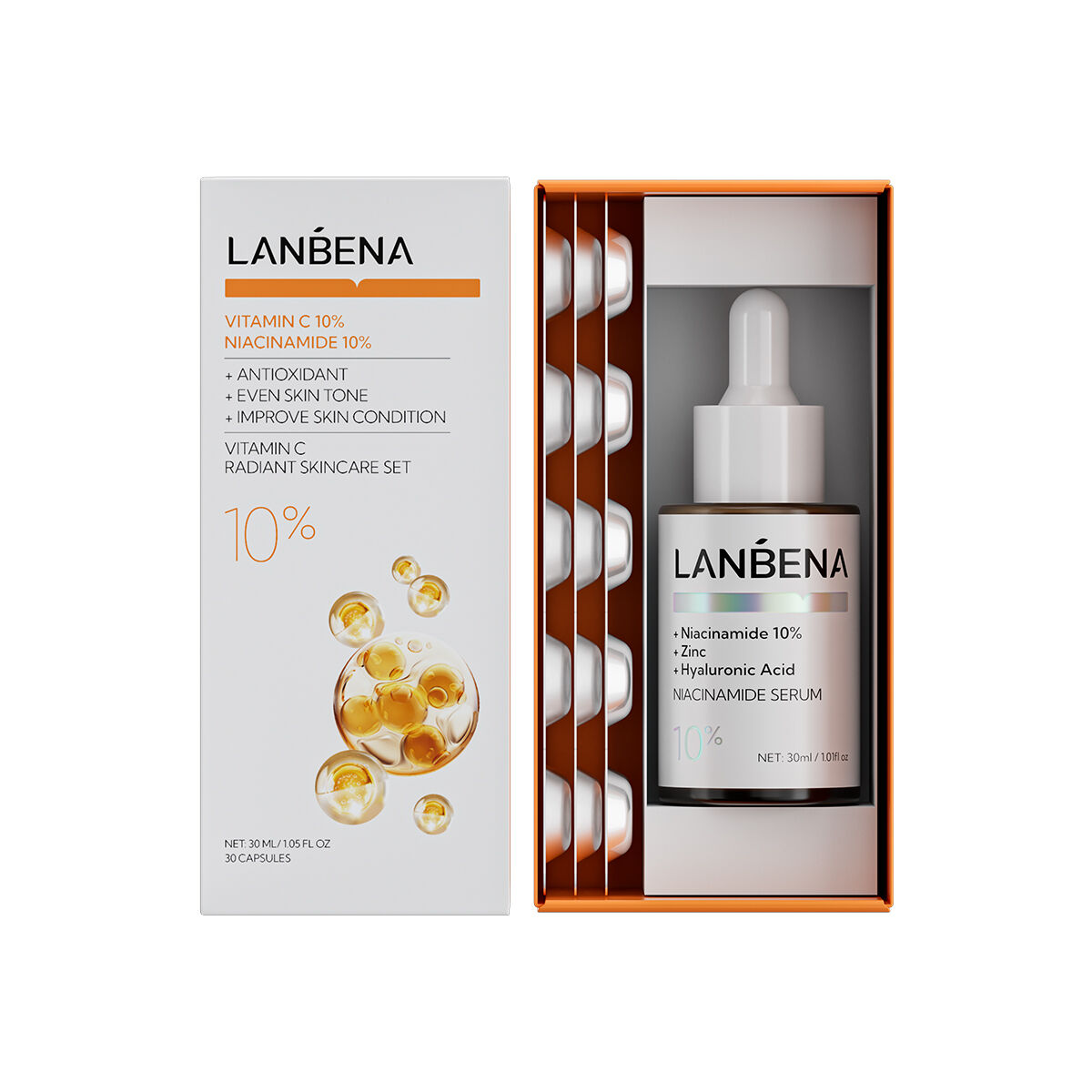
When it comes to skincare, few products have earned as much attention as the serum. Unlike moisturizers or cleansers, a serum is specifically engineered to deliver a concentrated payload of active ingredients deep into the skin. Its lightweight, fast-absorbing texture makes it the ideal vehicle for targeting specific skin concerns — from dehydration and dullness to fine lines and uneven tone. But not all serums are created equal, and understanding what actually goes inside a high-performing formula is the first step toward making smarter skincare decisions.
The effectiveness of any serum ultimately comes down to its ingredient composition. A well-formulated serum balances potency, stability, and skin compatibility — three factors that determine whether a product delivers on its promises or simply sits on the surface without meaningful impact. This article breaks down the key ingredients that define an effective serum, explaining what each one does, why it matters, and how it contributes to the overall performance of the formula.
The Foundation of an Effective Serum
Why Ingredient Quality Defines Serum Performance
A serum lives or dies by the quality and concentration of its active ingredients. Unlike a basic moisturizer, which primarily forms a barrier on the skin's surface, a serum is designed to penetrate the epidermal layers and work at a cellular level. This deeper delivery mechanism means that the ingredients inside must be bioavailable — meaning the skin can actually absorb and utilize them.
The molecular size of serum ingredients plays a critical role here. Ingredients with smaller molecular weights can pass through the skin barrier more efficiently, which is why serums often outperform heavier creams when it comes to targeted treatment. For B2B buyers sourcing skincare products, this is a key technical distinction that separates a professionally formulated serum from a generic one.
Beyond molecular size, ingredient purity and sourcing also affect how a serum performs. High-grade actives with consistent purity levels deliver more predictable results, which is essential for brands that need to maintain product consistency across production batches.
The Role of the Base Formula in Serum Efficacy
Every serum contains a base — the carrier system that holds and delivers the active ingredients. Common base components include hyaluronic acid solutions, glycerin blends, and lightweight silicone derivatives. These carriers are not passive; they actively influence how quickly a serum absorbs, how it feels on the skin, and how stable the active ingredients remain over time.
A well-designed base also contributes to the serum's overall skin benefits. For example, a glycerin-rich base helps maintain surface hydration while the deeper actives get to work. This layered delivery approach is part of what makes a thoughtfully formulated serum more effective than a product that simply lists trending ingredients on the label.
For manufacturers and private label brands, the base formula is often where differentiation happens. Fine-tuning the texture, viscosity, and sensory profile of a serum base can significantly influence consumer perception and repeat purchase behavior.
Niacinamide as a Core Active Ingredient
What Niacinamide Does Inside a Serum
Niacinamide, also known as vitamin B3, is one of the most clinically validated ingredients found in modern skincare serums. It is water-soluble, highly stable, and compatible with a wide range of other actives, making it an ideal core ingredient for multi-benefit serum formulations. Its versatility means a single niacinamide-based serum can address several skin concerns simultaneously.
In a serum, niacinamide works by inhibiting the transfer of melanin to the skin's surface, which helps visibly reduce the appearance of dark spots and uneven pigmentation over time. It also strengthens the skin's natural barrier by supporting ceramide production, which is essential for maintaining moisture levels and reducing sensitivity. For brands targeting brightening and anti-aging claims, niacinamide is a foundational ingredient that delivers measurable results.
Clinical studies have consistently shown that niacinamide at concentrations between 2% and 10% can improve skin texture, reduce the appearance of enlarged pores, and diminish fine lines. These evidence-backed outcomes make it a commercially compelling ingredient for a serum positioned in the anti-aging or brightening category.
Formulating Niacinamide Serums for Stability and Skin Compatibility
One of niacinamide's key advantages as a serum ingredient is its stability across a wide pH range. Unlike vitamin C, which requires a low pH environment to remain effective, niacinamide performs well at a near-neutral pH, which reduces the risk of formulation conflicts when combined with other actives. This stability makes it easier to develop a serum that maintains its potency throughout its shelf life.
Niacinamide is also well-tolerated by most skin types, including sensitive and acne-prone skin. This broad skin compatibility makes it a practical choice for brands looking to develop a serum with wide market appeal. When combined with complementary ingredients like hyaluronic acid or peptides, a niacinamide-centered serum can deliver a comprehensive treatment experience that resonates with a diverse consumer base.
From a wholesale and private label perspective, niacinamide serums are relatively cost-effective to produce at professional concentrations, offering a strong balance between ingredient performance and manufacturing economics.
Hydrating Ingredients That Define Moisture-Boosting Serums
Hyaluronic Acid and Its Role in Serum Hydration
Hyaluronic acid is arguably the most well-known hydrating ingredient in skincare, and it plays a central role in any serum designed to moisturize and plump the skin. It is a naturally occurring polysaccharide found in the body's connective tissues, and its extraordinary ability to attract and retain water — holding up to 1,000 times its own weight in moisture — makes it an ideal active for a hydrating serum.
In a serum, hyaluronic acid is typically used in multiple molecular weights. Low molecular weight hyaluronic acid penetrates deeper into the skin, providing hydration at a structural level. High molecular weight variants remain closer to the surface, forming a moisture-retaining film that prevents transepidermal water loss. This multi-depth hydration strategy is what gives a well-formulated serum its signature plumping effect.
For B2B buyers developing a hydrating serum, ensuring that the formula includes both molecular weight variants of hyaluronic acid is a critical formulation detail. A single molecular weight version may produce visible but shorter-lived results, while a dual-weight approach delivers both immediate and sustained hydration benefits.
Complementary Humectants and Skin-Conditioning Agents
Beyond hyaluronic acid, an effective serum often incorporates additional humectants and conditioning agents to support comprehensive hydration. Glycerin is a classic example — it draws moisture from the environment into the skin and works synergistically with hyaluronic acid to reinforce the skin's moisture barrier. Panthenol (vitamin B5) is another widely used ingredient that adds a softening, conditioning effect to a serum formula.
Betaine, derived from sugar beets, is a gentler humectant often added to serums formulated for sensitive skin. It provides hydration without the tackiness sometimes associated with higher-concentration glycerin formulas. The combination of multiple hydrating actives in a single serum generally produces better results than relying on any one ingredient alone.
For brands creating a moisturizing serum intended for dry or dehydrated skin types, building a layered humectant system into the formula is both a scientific best practice and a strong commercial positioning strategy. It allows the product to deliver a noticeable sensory experience — immediate softness and suppleness — that supports consumer confidence and repeat purchase.
Anti-Aging Ingredients That Elevate Serum Effectiveness
Peptides and Their Mechanism in Anti-Aging Serums
Peptides are short chains of amino acids that serve as signaling molecules in the skin. When incorporated into a serum, they communicate with skin cells to stimulate specific biological responses — most notably, the production of collagen and elastin. These two structural proteins are responsible for the skin's firmness and elasticity, both of which decline naturally with age.
There are several categories of peptides used in anti-aging serums, each with a distinct mechanism. Signal peptides encourage collagen synthesis. Carrier peptides deliver trace minerals to the skin that support wound healing and enzyme function. Neurotransmitter-inhibiting peptides work by relaxing the facial muscles responsible for expression lines, producing a visible smoothing effect on dynamic wrinkles.
For a serum positioned as an anti-aging treatment, peptides are among the most technically advanced and commercially credible ingredients available. Their inclusion elevates the formulation's sophistication and supports a higher price point, making them particularly valuable for brands targeting premium skincare segments.
Antioxidants and Their Protective Role in a Serum
Antioxidants are another essential category of ingredients in an effective anti-aging serum. Their primary function is to neutralize free radicals — unstable molecules generated by UV exposure, pollution, and metabolic processes — that accelerate skin aging by damaging cellular structures and DNA. By incorporating antioxidants into a serum formula, brands can offer both preventive and corrective anti-aging benefits.
Vitamin C (in the form of ascorbic acid or its derivatives) is one of the most potent antioxidants used in serum formulations. It brightens the complexion, reduces hyperpigmentation, and stimulates collagen synthesis in addition to its free radical neutralizing properties. However, vitamin C is also one of the more challenging ingredients to stabilize in a serum, which is why many formulators opt for more stable derivatives such as ascorbyl glucoside or sodium ascorbyl phosphate.
Other antioxidants commonly found in high-performance serums include vitamin E (tocopherol), resveratrol, and green tea extract. These ingredients often work synergistically — vitamin C and vitamin E, for instance, are known to enhance each other's stability and efficacy when combined in a serum. Understanding these ingredient interactions is essential for anyone developing or sourcing a professionally formulated anti-aging serum.
Functional Additives That Optimize Serum Delivery and Stability
Penetration Enhancers and Delivery Systems
Even the most potent serum actives are only as effective as their delivery system allows. Penetration enhancers are compounds added to a serum formula to improve the absorption of active ingredients through the skin barrier. Common examples include niacinamide itself (which also functions as a mild penetration enhancer), as well as certain fatty acids and plant-derived solvents that temporarily loosen the lipid structure of the stratum corneum.
Advanced serum formulations may also incorporate encapsulation technology, where active ingredients are enclosed in liposomes or nano-emulsions that protect them during transit and release them at the target skin layer. This technology is particularly valuable for unstable ingredients like retinol or pure vitamin C, which can degrade before reaching the deeper layers of the skin if not properly protected.
For B2B buyers evaluating serum manufacturers, the presence of a sophisticated delivery system is a meaningful indicator of formulation quality. It suggests that the manufacturer understands not just what ingredients to include, but how to ensure those ingredients actually perform in the skin.
Preservatives, pH Adjusters, and Stability Agents
A serum that performs brilliantly on day one but degrades within weeks is not a commercially viable product. Stability is therefore a non-negotiable aspect of effective serum formulation, and it depends on the careful selection of preservatives, pH adjusters, and chelating agents. These functional additives are rarely highlighted on marketing materials, but they are essential to the real-world performance of a serum.
Preservatives protect the serum from microbial contamination during storage and use. Modern serum formulas increasingly use preservative systems that are both effective and well-tolerated by sensitive skin, such as phenoxyethanol combined with ethylhexylglycerin. pH adjusters like citric acid or sodium hydroxide ensure the formula remains within the skin-compatible range (typically pH 4.5 to 6.5), which also optimizes the activity of pH-sensitive ingredients.
Chelating agents such as EDTA or phytic acid bind to trace metal ions that can catalyze oxidation reactions, thereby protecting ingredients like vitamin C from premature breakdown. These behind-the-scenes components are what separate a serum that consistently delivers results from one that performs inconsistently across different storage conditions and climates.
FAQ
What makes a serum different from a regular moisturizer?
A serum is formulated with smaller molecules and higher concentrations of active ingredients than a typical moisturizer. This allows it to penetrate the skin more deeply and deliver targeted treatment to specific concerns such as pigmentation, dehydration, or signs of aging. Moisturizers, by contrast, are primarily designed to seal in hydration and reinforce the skin barrier at the surface level. Most skincare routines benefit from using both — applying the serum first, then layering a moisturizer on top.
How do I know if a serum has the right concentration of active ingredients?
Effective concentrations vary by ingredient. Niacinamide, for example, is clinically effective in the 2%–10% range, while hyaluronic acid typically functions well at concentrations between 0.1% and 2%. Reputable manufacturers provide ingredient concentration data in their product specifications, especially for B2B and private label buyers. If a serum does not disclose active ingredient percentages, it can be difficult to assess whether the formula will deliver meaningful results.
Can a single serum address multiple skin concerns at once?
Yes, and this is in fact one of the advantages of a well-formulated multi-active serum. Ingredients like niacinamide naturally address multiple concerns simultaneously — including hydration, brightening, and barrier repair — making it a practical foundation for a multi-benefit formula. When combining actives, compatibility is key. Some ingredients work synergistically, while others can destabilize each other or cause irritation when combined at high concentrations. Professional formulation expertise is essential when developing a serum intended to target more than one skin concern.
What should B2B buyers look for when sourcing a high-quality serum?
B2B buyers should evaluate several factors when sourcing a serum for wholesale or private label purposes. These include the concentration and purity of key actives, the stability and shelf life of the formula, the delivery system used to enhance ingredient absorption, and the manufacturer's testing and quality control processes. It is also important to assess whether the serum's ingredient profile aligns with current consumer demand — products that combine well-documented actives like niacinamide with proven hydrating ingredients tend to perform strongly across diverse market segments.