
 EN
EN
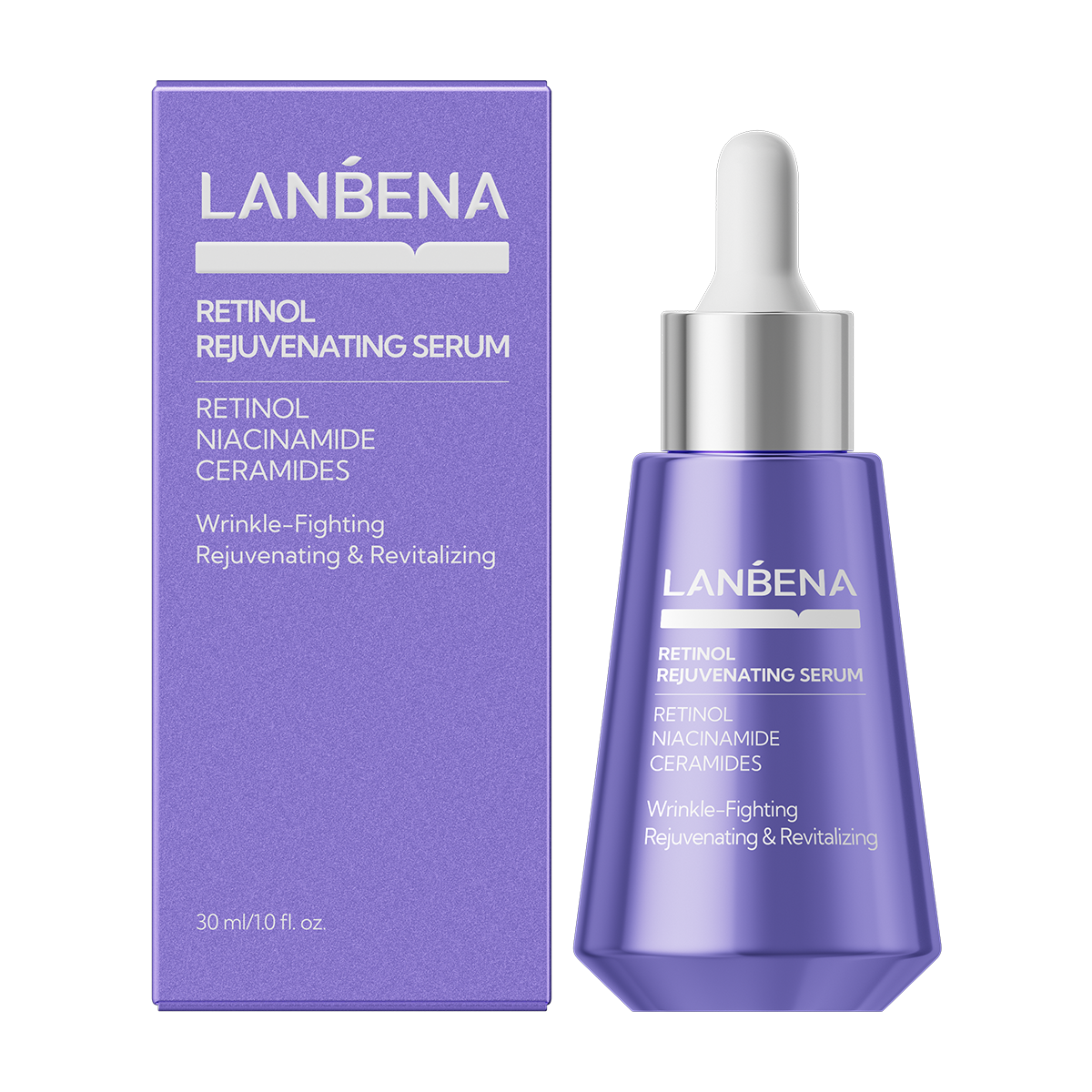
Choosing the right skin care products can feel overwhelming given the sheer number of options available on the market today. With thousands of formulations, serums, moisturizers, and treatments competing for your attention, the most reliable way to make a confident purchase is to understand exactly which ingredients matter and why they belong in your routine. Ingredients are the true measure of a product's value — they determine whether a formula delivers real results or simply sits on the surface of your skin doing very little.
This guide is designed to help you cut through the noise and focus on what actually belongs on your ingredient list. Whether you are building a routine from scratch or refining an existing one, knowing which active and supporting ingredients to look for in skin care products empowers you to spend wisely, avoid ineffective formulas, and achieve visible, lasting improvements in your skin health. The ingredients discussed below are backed by dermatological research and have demonstrated consistent performance across a wide range of skin types and concerns.
The Science Behind Effective Skin Care Ingredients
Why Ingredients Define Product Performance
The effectiveness of any skin care product is ultimately determined by its formulation — the specific combination of active compounds, delivery systems, and supporting agents that work together at a molecular level. A product with a beautiful texture and an appealing scent may feel luxurious, but if it lacks proven actives, it will not produce meaningful results. This is why ingredient literacy is one of the most practical skills you can develop as a consumer of skin care products.
Ingredient lists on skin care products are ordered by concentration, with the highest-volume components listed first. However, concentration alone does not tell the whole story. Many high-performance actives are effective at low concentrations, and their position near the bottom of a list does not necessarily mean they are ineffective. What matters most is whether the ingredient is present in a clinically relevant form and whether it is stable within the product's overall formulation.
Understanding the difference between active ingredients and functional support ingredients also matters. Actives like niacinamide, retinol, and vitamin C directly target specific skin concerns. Supporting agents like humectants, emollients, and pH adjusters create the conditions that allow actives to work efficiently and that maintain the skin barrier over time. High-quality skin care products typically balance both categories well.
How Skin Absorbs and Uses Active Compounds
Skin absorption is a complex process influenced by molecular size, the ingredient's lipid solubility, pH levels, and the integrity of the outermost skin barrier. Ingredients with smaller molecular weights tend to penetrate more effectively, which is one reason why low-molecular-weight hyaluronic acid is often preferred over its high-molecular-weight counterpart for deep hydration. When evaluating skin care products, it is worth asking whether the formulation has been engineered to support effective delivery.
Encapsulation technology is one example of how modern skin care products improve ingredient delivery. Encapsulated forms of retinol, for example, are released gradually into the skin, reducing irritation while maintaining efficacy. Similarly, vitamin C derivatives have been developed to overcome the instability of pure ascorbic acid, allowing formulators to create more shelf-stable skin care products without sacrificing results.
Key Hydrating and Barrier-Supporting Ingredients
Hyaluronic Acid and Its Role in Skin Moisture
Hyaluronic acid is one of the most widely recognized and universally recommended ingredients across all categories of skin care products. It is a naturally occurring glycosaminoglycan that holds up to a thousand times its weight in water, making it an exceptionally powerful humectant. When applied topically, it draws moisture from the environment and from the deeper layers of the skin, delivering immediate and sustained hydration to the surface.
What makes hyaluronic acid particularly valuable is its compatibility with virtually every skin type — oily, dry, combination, sensitive, and mature skin all benefit from its presence. It does not clog pores, does not cause sensitization in most individuals, and integrates seamlessly into both lightweight serums and richer moisturizing skin care products. Its safety profile and multi-functional hydrating benefits make it a non-negotiable ingredient to look for in any hydration-focused formula.
Multi-weight hyaluronic acid formulations, which include both high- and low-molecular-weight versions of the molecule, are considered especially effective. High-molecular-weight hyaluronic acid forms a film on the skin's surface that reduces transepidermal water loss, while its low-molecular-weight counterpart penetrates more deeply to hydrate from within. Skin care products that incorporate both forms typically deliver more comprehensive and longer-lasting results.
Ceramides and Fatty Acids for Barrier Repair
Ceramides are lipid molecules that make up a significant portion of the skin's natural barrier structure. They function like the mortar between bricks, holding skin cells together and preventing moisture from escaping. When the skin barrier is compromised — due to over-exfoliation, environmental stress, harsh cleansers, or aging — ceramide levels decline and the skin becomes more susceptible to dryness, irritation, and external damage. Skin care products that replenish ceramides help restore barrier integrity over time.
Alongside ceramides, fatty acids such as linoleic acid, stearic acid, and palmitic acid play a critical supporting role. They reinforce the skin's lipid matrix, improve elasticity, and help maintain the slightly acidic pH that keeps the microbiome in balance. These ingredients are particularly important in skin care products designed for dry, eczema-prone, or mature skin, where barrier dysfunction is often the root cause of visible skin concerns.
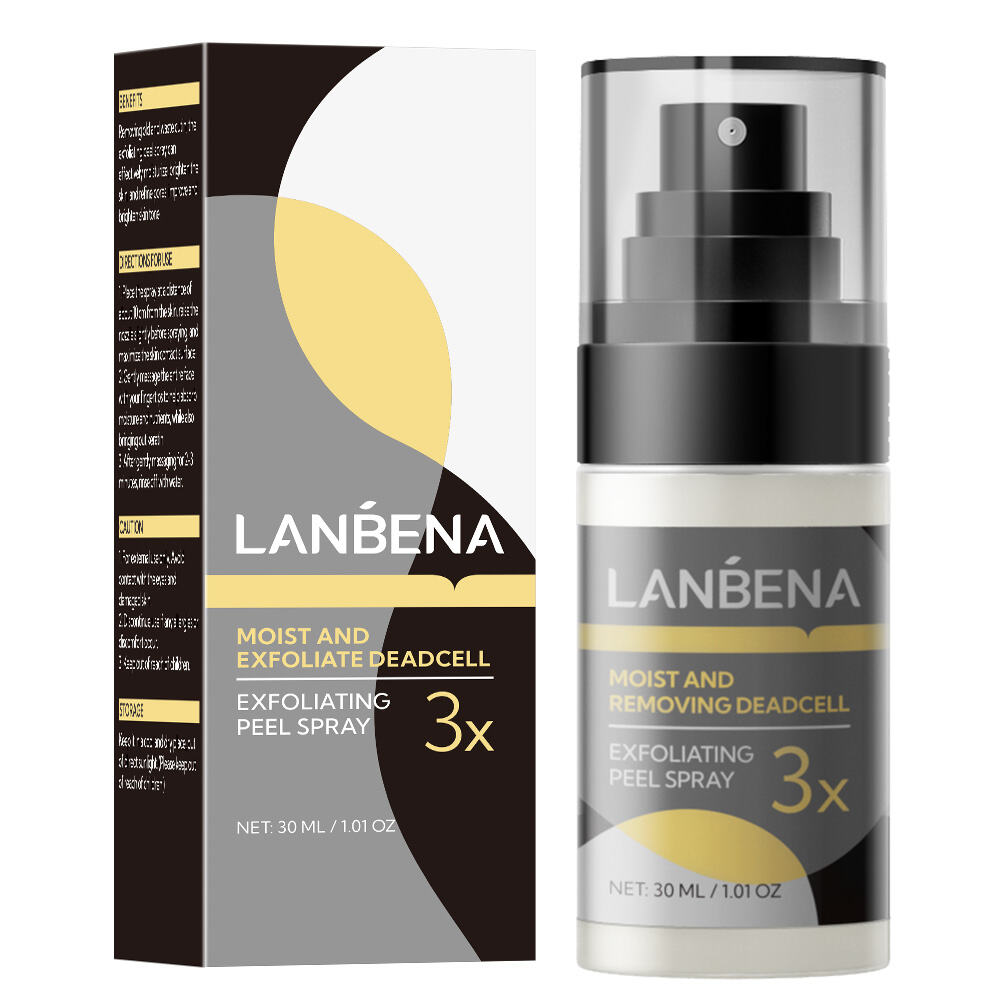
High-Performance Actives Worth Prioritizing
Niacinamide for Multi-Benefit Skin Improvement
Niacinamide, also known as vitamin B3, has established itself as one of the most versatile and well-researched actives available in modern skin care products. It addresses a remarkable range of concerns simultaneously — from enlarged pores and uneven skin tone to fine lines, excess sebum production, and skin sensitivity. This breadth of benefit makes it a practical choice for people dealing with multiple concerns or those who prefer streamlined routines without layering many separate treatments.
At concentrations between two and ten percent, niacinamide has been shown to visibly reduce hyperpigmentation by inhibiting the transfer of melanin to skin cells, strengthen the skin barrier by stimulating ceramide synthesis, and improve surface texture through its mild exfoliating and skin-renewing effects. It also has notable anti-inflammatory properties, making it suitable for use in skin care products intended for acne-prone or redness-affected skin types.
Niacinamide is also notable for its compatibility with a wide range of other actives. Unlike some potent ingredients that require careful separation or can cause interactions, niacinamide pairs well with hyaluronic acid, retinol, alpha hydroxy acids, and antioxidants. This makes it an easy addition to multi-step routines and a strong anchor ingredient in comprehensive skin care products designed to target aging, tone, and texture at the same time.
Retinol and Its Role in Long-Term Skin Renewal
Retinol, a derivative of vitamin A, remains one of the most rigorously studied and clinically validated anti-aging actives used in over-the-counter skin care products. Its mechanism of action involves stimulating cellular turnover, encouraging the skin to shed older surface cells and generate new ones at an accelerated rate. This process gradually reduces the appearance of fine lines, improves skin texture, fades post-acne marks, and helps maintain a more youthful and even-toned complexion.
Despite its powerful effects, retinol requires careful formulation to remain stable and tolerable. Many skin care products incorporate it in buffered forms or pair it with soothing agents like panthenol and niacinamide to reduce the irritation that can occur during the initial adjustment period. When evaluating retinol-containing skin care products, look for opaque or airless packaging that protects the ingredient from light and air degradation, as these factors significantly affect retinol's stability and shelf life.
Vitamin C and Antioxidant Defense
Vitamin C is one of the most powerful antioxidants used in skin care products, and it serves a dual function: it neutralizes free radical damage caused by UV exposure and environmental pollution while also actively inhibiting melanin synthesis to brighten and even out skin tone. At concentrations of ten to twenty percent, L-ascorbic acid — the purest and most active form of vitamin C — has been shown to visibly improve radiance, reduce dark spots, and support collagen synthesis.
The challenge with vitamin C is its inherent instability. Pure ascorbic acid is highly susceptible to oxidation, which is why well-formulated skin care products use stabilized derivatives such as ascorbyl glucoside, sodium ascorbyl phosphate, or ascorbyl tetraisopalmitate. These forms offer improved shelf stability while maintaining meaningful antioxidant activity. When a vitamin C product has turned yellow or orange, it is a sign of oxidation and reduced efficacy, which makes packaging quality an important consideration when selecting skin care products containing this ingredient.
Supporting Ingredients That Elevate Formula Quality
Peptides for Structural Support
Peptides are short chains of amino acids that act as messenger molecules within the skin, signaling cells to perform specific functions such as collagen production, skin repair, or muscle-relaxing responses that soften expression lines. They are frequently found in anti-aging skin care products because they support the structural integrity of skin from within, addressing the root causes of sagging and wrinkling rather than simply masking their appearance.
Different peptide types target different concerns. Signaling peptides encourage collagen and elastin production, carrier peptides deliver trace minerals that support enzymatic processes, and neurotransmitter-inhibiting peptides temporarily reduce the appearance of dynamic wrinkles. When skin care products combine multiple peptide types with complementary actives, the cumulative effect on skin firmness, texture, and resilience tends to be more pronounced than when any single ingredient is used in isolation.
Alpha Hydroxy Acids for Surface Renewal
Alpha hydroxy acids — including glycolic acid, lactic acid, and mandelic acid — are chemical exfoliants commonly found in skin care products targeting dullness, uneven texture, hyperpigmentation, and mild surface aging. They work by weakening the bonds between dead skin cells at the surface, allowing the outermost layer to shed more efficiently and revealing the fresher, smoother skin beneath. Regular use leads to a brighter complexion, improved product absorption, and a more refined skin surface over time.
Glycolic acid, with its small molecular size, penetrates most deeply and is particularly effective for addressing fine lines and pronounced texture irregularities. Lactic acid offers similar benefits with a gentler profile, and it also acts as a humectant, adding a moisturizing dimension that makes it suitable for drier skin types. Mandelic acid's larger molecule and antibacterial properties make it a popular choice in skin care products designed for sensitive or acne-prone skin that cannot tolerate more aggressive acids.
Ingredients That Protect and Preserve Skin Health
Antioxidants Beyond Vitamin C
While vitamin C receives most of the antioxidant attention, a wide range of other antioxidant compounds provide meaningful protection in well-formulated skin care products. Resveratrol, found in grape skin, neutralizes oxidative stress and has demonstrated anti-inflammatory properties that help calm reactive skin. Ferulic acid is frequently combined with vitamins C and E because it stabilizes both compounds and amplifies their antioxidant activity synergistically.
Tocopherol, or vitamin E, is a fat-soluble antioxidant that integrates readily into lipid-rich formulations, protecting cell membranes from free radical attack while also providing emollient benefits. Coenzyme Q10, also known as ubiquinone, is another effective antioxidant used in anti-aging skin care products for its ability to support cellular energy production and reduce the visible effects of oxidative aging. Including a spectrum of antioxidants in your routine, rather than relying on just one, provides broader and more resilient protection.
Sunscreen Actives as Daily Non-Negotiables
No discussion of essential ingredients in skin care products would be complete without addressing UV filters. Ultraviolet radiation is the single largest contributor to premature skin aging, hyperpigmentation, and loss of elasticity. Broad-spectrum sun protection, incorporating both UVA and UVB filters, should be considered a foundational ingredient category rather than an optional extra in any well-rounded skin care routine.
Mineral UV filters such as zinc oxide and titanium dioxide sit on the skin's surface and physically deflect UV rays. They are well tolerated by sensitive and reactive skin types and do not degrade in sunlight. Chemical UV filters such as avobenzone and tinosorb absorb UV radiation and convert it to heat. Modern skin care products increasingly combine mineral and chemical filters to achieve high SPF ratings with elegant, non-whitening textures that encourage consistent daily use.
FAQ
What is the most universally beneficial ingredient to look for in skin care products?
Niacinamide stands out as one of the most universally beneficial ingredients across all skin types and concerns. It addresses multiple issues simultaneously — including tone, texture, pore appearance, and barrier strength — making it a highly practical ingredient in skin care products for a broad range of consumers. Its compatibility with other actives also makes it easy to incorporate into any existing routine without risk of negative interactions.
Can you use skin care products with multiple active ingredients at the same time?
Yes, but ingredient compatibility matters. Some pairings work exceptionally well together — such as niacinamide with hyaluronic acid, or vitamin C with ferulic acid and vitamin E. Others require more care, such as using retinol and strong alpha hydroxy acids on the same evening, which can increase irritation. When building a multi-active routine, introduce skin care products gradually and monitor how your skin responds before adding new actives.
How can you tell if the active ingredients in skin care products are at effective concentrations?
Ingredient lists are ordered by concentration, but this alone is not always enough to determine whether an active is at a clinically relevant level. Reputable brands often disclose the concentration of key actives on their packaging or product pages. As a general guide, niacinamide is effective between two and ten percent, vitamin C between ten and twenty percent, and retinol between 0.025 and one percent. Checking brand transparency and looking for third-party testing claims can also help evaluate the quality of skin care products.
Are natural ingredients in skin care products safer than synthetic ones?
Not necessarily. The safety and efficacy of an ingredient depends on its chemistry, concentration, and formulation — not its origin. Some natural ingredients, such as essential oils at high concentrations, can cause significant irritation or sensitization. Conversely, many synthetic ingredients are highly safe, stable, and well-studied. The best approach when selecting skin care products is to evaluate ingredients based on clinical evidence and your skin's specific needs rather than applying a blanket preference for natural or synthetic sources.
Table of Contents
- The Science Behind Effective Skin Care Ingredients
- Key Hydrating and Barrier-Supporting Ingredients
- High-Performance Actives Worth Prioritizing
- Supporting Ingredients That Elevate Formula Quality
- Ingredients That Protect and Preserve Skin Health
-
FAQ
- What is the most universally beneficial ingredient to look for in skin care products?
- Can you use skin care products with multiple active ingredients at the same time?
- How can you tell if the active ingredients in skin care products are at effective concentrations?
- Are natural ingredients in skin care products safer than synthetic ones?