
 EN
EN
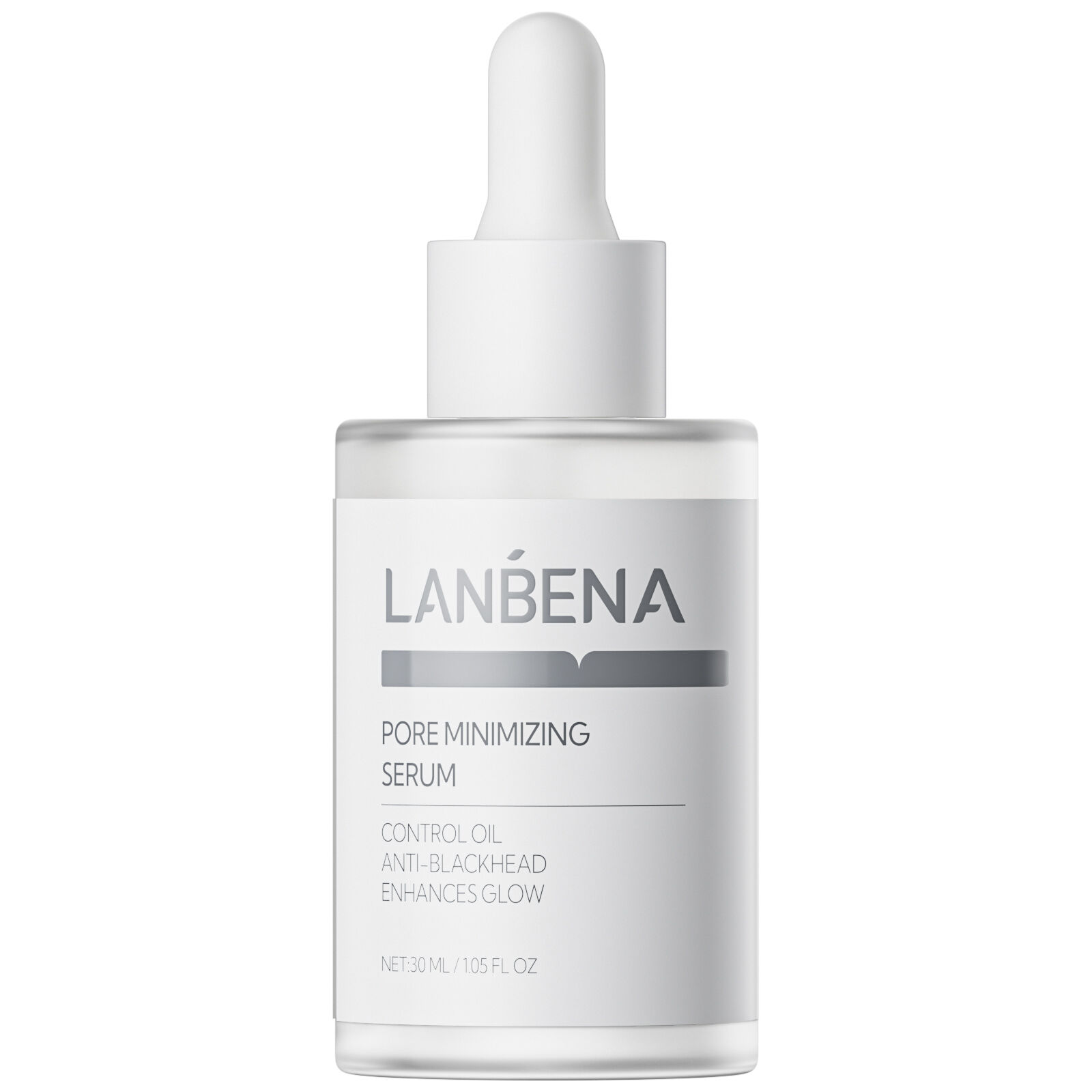
When skin feels tight, dull, or rough to the touch, the underlying cause is almost always insufficient moisture retention in the deeper layers of the skin. A well-formulated hydrating serum is designed to address exactly this problem — not by sitting on the surface like a heavy cream, but by delivering concentrated, moisture-binding ingredients directly into the skin where they are needed most. This targeted delivery mechanism is what sets a hydrating serum apart from other skincare products and explains why so many people notice visible improvements in skin texture and suppleness within days of starting regular use.
Understanding how a hydrating serum works at a biological and formulation level helps both consumers and B2B buyers make smarter decisions. Whether you are sourcing for a private label brand or developing a skincare line, knowing the science behind rapid hydration delivery, the ingredients that drive results, and how formulation choices affect performance is essential. This article breaks down the full mechanism — from molecular penetration to long-term moisture retention — so you can clearly understand why a quality hydrating serum delivers results faster than most other skincare formats.
The Science of Rapid Hydration Delivery
How Serums Penetrate Deeper Than Creams
The molecular structure of a hydrating serum is fundamentally different from that of a moisturizer or lotion. Serums are water-based and formulated with significantly smaller molecule sizes, which allows their active ingredients to pass through the stratum corneum — the outermost barrier layer of the skin — with far greater efficiency. This is the core reason a hydrating serum can begin working within minutes of application rather than hours.
Creams and lotions typically contain a higher concentration of oils and emollients, which form a protective film on the skin's surface. While this is useful for sealing in moisture, it does not contribute meaningfully to restoring hydration in the deeper epidermis. A hydrating serum, by contrast, carries humectant molecules like hyaluronic acid directly into the skin layers where water binding actually occurs. This distinction explains the speed and depth of the hydration response.
For B2B formulation purposes, this also means that the viscosity, pH, and ingredient concentration of a hydrating serum must be calibrated carefully. A serum that is too thick may not penetrate effectively, while one that is too thin may evaporate before absorption is complete. Professional-grade formulation balances these factors to maximize the speed and depth of moisture delivery.
The Role of Osmotic Gradients in Moisture Absorption
Hydration delivery in skin is not purely passive — it also involves osmotic gradients, meaning that water naturally moves from areas of lower solute concentration to areas of higher concentration. Ingredients used in a hydrating serum, such as glycerin and sodium hyaluronate, create a concentration environment in the skin that actively draws water molecules in from the environment and from the underlying dermis upward.
This osmotic effect is part of why a well-applied hydrating serum can make skin feel plumper and more elastic almost immediately after use. The humectants in the serum establish a temporary reservoir of moisture within the epidermal layers. When the skin is heavily dehydrated, this osmotic pull is even stronger, which explains why people with very dry or stressed skin tend to see dramatic results very quickly when switching to a targeted hydrating serum routine.
Key Ingredients That Drive Fast Hydration Results
Hyaluronic Acid and Its Multi-Molecular Weight Advantage
Hyaluronic acid is the most widely recognized ingredient in any hydrating serum, and for good reason. It is a naturally occurring polysaccharide found in the skin's connective tissue, and it has the extraordinary capacity to hold up to 1,000 times its own weight in water. However, not all hyaluronic acid in a serum performs the same function — molecular weight plays a critical role in determining where and how fast hydration occurs.
High molecular weight hyaluronic acid forms a moisture-retaining film on the skin's surface, providing immediate plumping and reducing the appearance of fine lines. Low molecular weight variants penetrate into the deeper epidermal layers, where they deliver longer-lasting hydration from within. The best-performing hydrating serum formulations use a combination of both, creating a layered hydration effect that works quickly at the surface while building sustainable moisture reserves deeper in the skin.
From a product development perspective, the ratio and molecular weight distribution of hyaluronic acid in a hydrating serum is one of the most important specification decisions. Wholesale buyers sourcing serums for professional markets should verify whether a formulation uses multi-weight hyaluronic acid, as this single factor significantly affects the perceived speed and longevity of the hydration effect.
Niacinamide as a Complementary Hydration Booster
Niacinamide, also known as vitamin B3, is increasingly included in advanced hydrating serum formulations because of its ability to reinforce the skin's natural moisture barrier. While niacinamide is perhaps best known for its brightening and anti-aging benefits, its barrier-strengthening function is directly relevant to hydration. A compromised skin barrier loses water rapidly through a process called transepidermal water loss, and niacinamide directly reduces this loss by stimulating ceramide production in the skin.
When niacinamide is combined with hyaluronic acid in a hydrating serum, the result is a dual-action effect: hyaluronic acid draws water into the skin while niacinamide reduces the rate at which that water escapes. This combination means that users experience not just faster initial hydration, but also a more durable result throughout the day. For anti-aging serums in particular, this pairing addresses two major visible signs of aging — loss of plumpness and uneven tone — simultaneously.
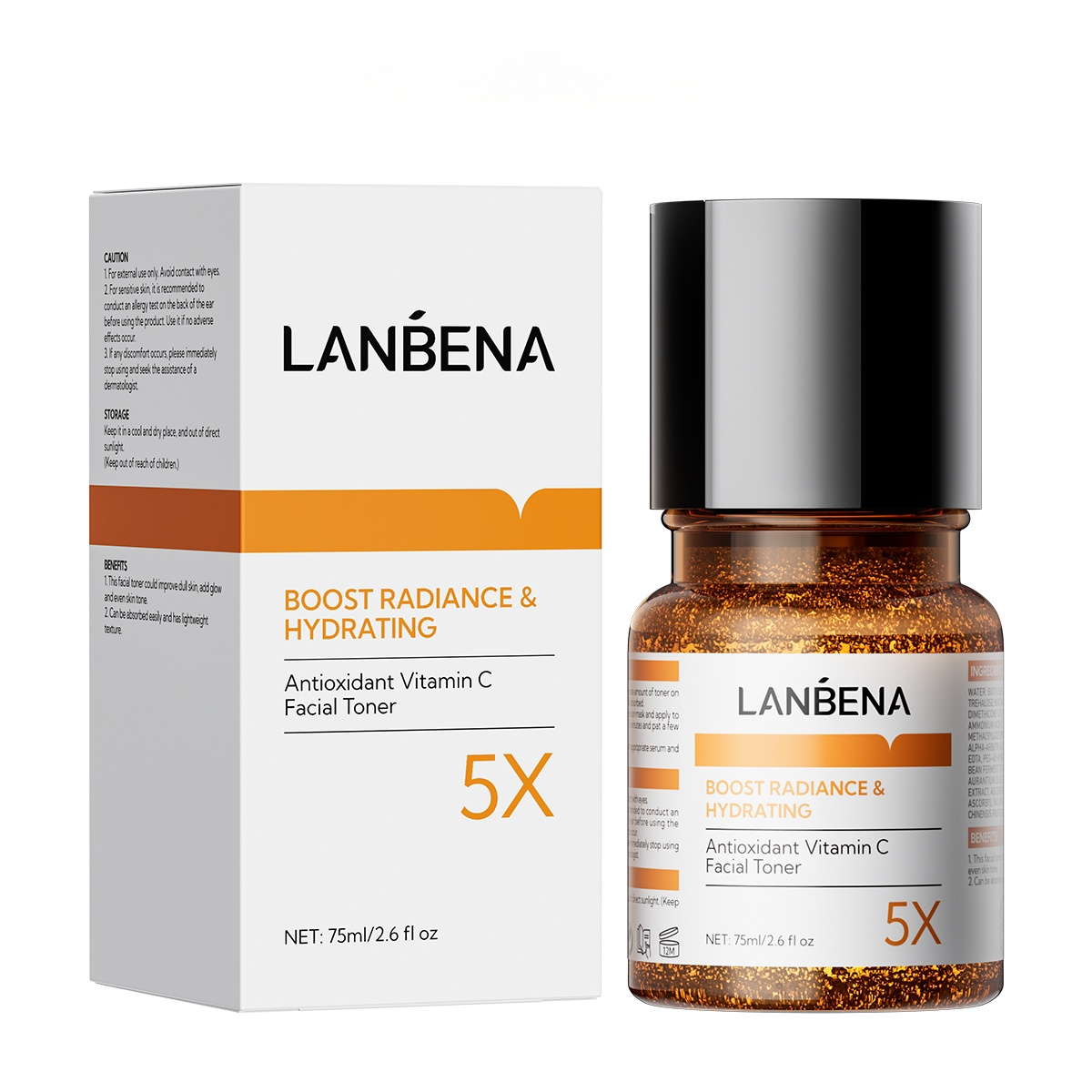
The inclusion of niacinamide also makes a hydrating serum suitable for a broader range of skin types, including oily and acne-prone skin, because it regulates sebum production without stripping moisture. This versatility makes niacinamide-enhanced serums a strong commercial choice for brands targeting diverse consumer demographics.
Application Techniques That Maximize Hydration Speed
Layering Order and Timing
Even the most potent hydrating serum will underperform if applied incorrectly. The standard skincare layering principle — lightest to heaviest — exists precisely to ensure that water-based serums are not blocked by thicker products applied beforehand. Applying a hydrating serum directly onto clean, slightly damp skin allows the humectant ingredients to draw water both from the product itself and from the residual moisture on the skin's surface, amplifying the hydration effect.
Timing also matters. Applying a hydrating serum within 60 seconds of cleansing — before the skin has fully dried — takes advantage of the open, receptive state of the skin's surface right after contact with water. At this stage, the stratum corneum is more permeable and absorption of the serum's active ingredients is measurably faster and more efficient.
For professional training materials, retail instructions, or brand educational content, communicating these application nuances is valuable. Customers who apply their hydrating serum correctly are more likely to report visible results and remain loyal to the product, which directly supports repurchase rates and brand credibility.
Sealing in Moisture After Serum Application
A common mistake that reduces the effectiveness of a hydrating serum is failing to apply an occlusive or semi-occlusive product on top to seal in the moisture the serum has delivered. Humectants like glycerin and hyaluronic acid attract water effectively, but without a barrier product, that moisture can evaporate from the skin's surface — especially in low-humidity environments or air-conditioned spaces.
Following a hydrating serum with a moisturizer containing ingredients such as squalane, shea butter, or ceramides creates the ideal moisture-lock system. The serum delivers hydration rapidly to the deeper layers while the moisturizer prevents its escape. This two-step system is now recommended in most professional skincare protocols and is a key selling point for bundled product lines.
Why Formulation Quality Determines Hydration Speed
Stability and pH Balance in Serum Performance
The speed at which a hydrating serum works is not only determined by its ingredient list — formulation stability and pH are equally critical. Hyaluronic acid, for example, performs optimally in a slightly acidic environment that mirrors the skin's natural pH of approximately 4.5 to 5.5. If a serum's pH is outside this range, the hyaluronic acid molecules may not maintain their structural integrity or their capacity to bind water effectively.
Poorly stabilized serums can also undergo degradation over time, reducing the potency of their active ingredients before they even reach the consumer. For wholesale buyers and private label brands, verifying that a hydrating serum has been formulated with appropriate pH buffering, antioxidant stabilizers, and tested shelf-life stability is not optional — it is a baseline quality requirement that directly affects end-user satisfaction and brand reputation.
Manufacturers who invest in rigorous stability testing across temperature ranges and light exposure conditions can guarantee that the hydrating serum their clients receive will perform consistently from the first use to the last. This level of quality assurance is a key differentiator in the wholesale and OEM skincare market.
Texture, Absorption Rate, and Sensory Profile
Consumers associate fast hydration with a specific sensory experience — a serum that absorbs quickly without leaving a sticky or greasy residue signals efficacy before the biological effects even become visible. The texture of a hydrating serum is therefore a formulation priority, not merely an aesthetic one. Formulators use ingredients like silica, xanthan gum, and carbomer in carefully measured amounts to achieve a smooth, fast-absorbing consistency that supports both perception and performance.
A serum that feels luxurious and absorbs within seconds gives users immediate positive feedback, reinforcing their confidence that the product is working. This sensory reinforcement is commercially important — it directly influences reviews, word-of-mouth recommendations, and repurchase decisions. When sourcing or developing a hydrating serum for retail, the texture profile should be tested with target users as part of the product validation process.
FAQ
How quickly can a hydrating serum show visible results?
Most users notice an immediate improvement in skin texture, plumpness, and comfort within minutes of applying a quality hydrating serum. This initial effect is driven by surface-level humectants drawing water to the skin. Deeper, sustained hydration improvements typically become visible within 3 to 7 days of consistent twice-daily use, depending on the formulation concentration and the user's baseline skin condition.
Is a hydrating serum suitable for oily skin?
Yes, a well-formulated hydrating serum is suitable for all skin types, including oily and combination skin. Oily skin is often dehydrated at the cellular level despite producing excess sebum, making hydration essential. Water-based serums with lightweight humectants like hyaluronic acid and niacinamide hydrate effectively without adding oil, making them ideal for users who need moisture but want to avoid heavy textures.
Can a hydrating serum replace a daily moisturizer?
A hydrating serum and a moisturizer serve complementary but distinct functions. The serum delivers concentrated hydration into the skin's layers quickly, while the moisturizer acts as a barrier to lock that hydration in and protect the skin surface. In most skincare routines and professional recommendations, using both products together produces significantly better results than using either one alone.
What should wholesale buyers check when sourcing a hydrating serum?
Wholesale buyers evaluating a hydrating serum should verify several key factors: the molecular weight distribution of hyaluronic acid, the inclusion of supporting ingredients like niacinamide or ceramides, pH stability and shelf-life testing documentation, texture profile and absorption speed, and the manufacturer's quality certifications. These elements collectively determine whether the product will deliver consistent, fast hydration results that build consumer trust and support long-term brand success.