
 EN
EN
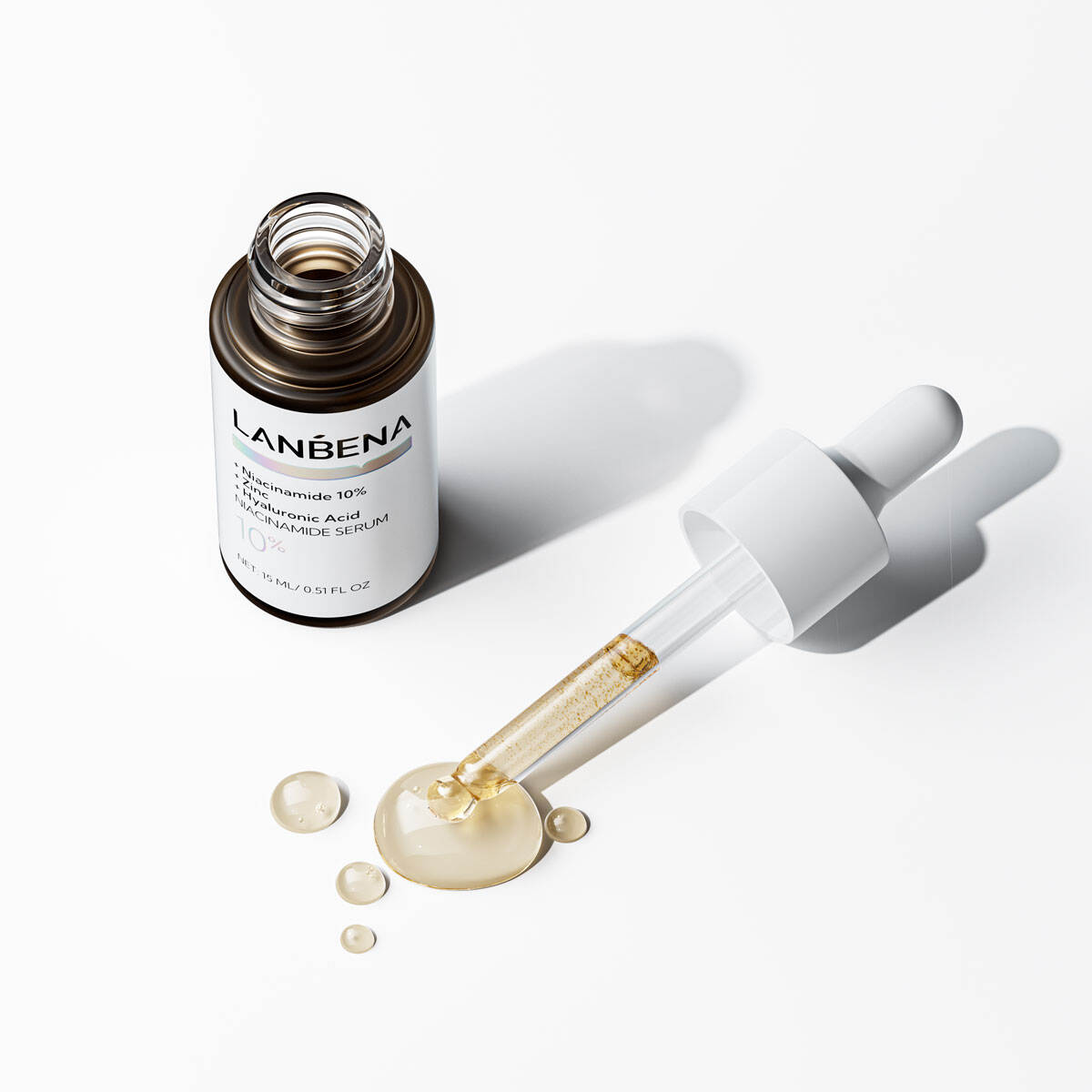
Selecting the right serum for your skin can feel overwhelming given the sheer number of formulas, active ingredients, and claims available on the market today. Whether you are dealing with dullness, dehydration, uneven tone, or early signs of aging, the right serum can make a measurable difference in how your complexion looks and feels. Unlike moisturizers or cleansers, serums are concentrated treatments designed to deliver specific active ingredients deep into the skin, making the selection process far more intentional than simply picking a product that smells nice or has appealing packaging.
Understanding how to choose the ideal serum for your skin requires a clear-eyed look at your skin type, your primary concerns, and the active ingredients that are clinically proven to address those concerns. This guide walks you through everything you need to know — from identifying your skin's true needs to decoding ingredient labels — so you can invest in a formula that truly works for you. The choices you make at this stage will shape the effectiveness of your entire skincare routine, so it is worth taking the time to get it right.
Understanding Your Skin Type Before Choosing a Serum
Why Skin Type Identification Is the First Step
Before you can choose the right serum for your skin, you need to understand what kind of skin you actually have. Skin types are broadly categorized as oily, dry, combination, sensitive, or normal, and each type responds differently to various active ingredients and textures. Applying a rich, oil-based serum to already oily skin, for example, can clog pores and trigger breakouts, while using a lightweight water-based formula on very dry skin may not provide enough nourishment.
A simple way to identify your skin type is to observe your face a few hours after cleansing, without applying any products. If your skin feels tight or looks flaky, you likely have dry skin. If it appears shiny across the forehead, nose, and chin, you are probably oily or combination. Sensitive skin typically reacts with redness, itching, or irritation to new products. Knowing this baseline shapes every subsequent product decision you make.
Once you have identified your skin type, you can begin filtering the enormous range of available serums down to those that are actually compatible with your complexion. This step alone eliminates many poor choices and saves you from wasting money on formulas that were never suited to your skin's physiology. Choosing a serum for your skin type is not about restriction — it is about precision.
How Skin Conditions Differ From Skin Type
Many people confuse their skin type with their skin condition, but these are distinct concepts that both influence your serum selection. Your skin type is largely genetic and relatively stable, while your skin condition refers to temporary or ongoing issues such as hyperpigmentation, dehydration, acne, or sensitivity caused by environmental factors. It is entirely possible to have oily skin that is also dehydrated, or dry skin that is prone to breakouts.
Addressing your skin condition requires choosing a serum for your skin that targets those specific issues with the right active ingredients, not just a formula that matches your skin type in terms of texture. For instance, someone with oily skin who struggles with post-inflammatory hyperpigmentation will need a brightening or melanin-regulating serum rather than a mattifying one. Taking both your skin type and current skin condition into account gives you a much more accurate blueprint for selection.
Key Active Ingredients and What They Do
Niacinamide — A Versatile Workhorse Ingredient
Niacinamide, also known as vitamin B3, is one of the most well-researched and broadly applicable ingredients you will find in any serum for your skin. It works across multiple skin concerns simultaneously, making it an excellent choice for those who are new to active ingredients or who want an efficient, low-irritation formula. Niacinamide helps regulate sebum production, minimize the appearance of enlarged pores, reduce uneven skin tone, and support the skin barrier — all at once.
When looking for a serum for your skin that addresses both brightening and anti-aging at the same time, niacinamide-based formulas stand out because of their dual functionality and strong tolerability profile. Unlike some actives that require a gradual introduction period, niacinamide is generally well tolerated even by sensitive skin types. It is also compatible with most other ingredients, making it easy to layer within a broader routine.
For businesses sourcing skincare products at a wholesale level, niacinamide serums represent a commercially intelligent choice because they appeal to a wide demographic — from younger consumers managing oily or acne-prone skin to mature consumers seeking anti-aging and radiance-boosting solutions. The ingredient's multitasking profile means that a single SKU can address multiple consumer needs at once, which improves inventory efficiency and customer satisfaction.
Hydrating Actives — Hyaluronic Acid and Beyond
If your primary concern is dehydration, choosing a serum for your skin with strong humectant ingredients should be a top priority. Hyaluronic acid is the most widely recognized humectant in skincare, capable of holding up to a thousand times its weight in water. When applied to damp skin and followed by a moisturizer to seal in the hydration, it can significantly plump and soften the complexion within days of consistent use.
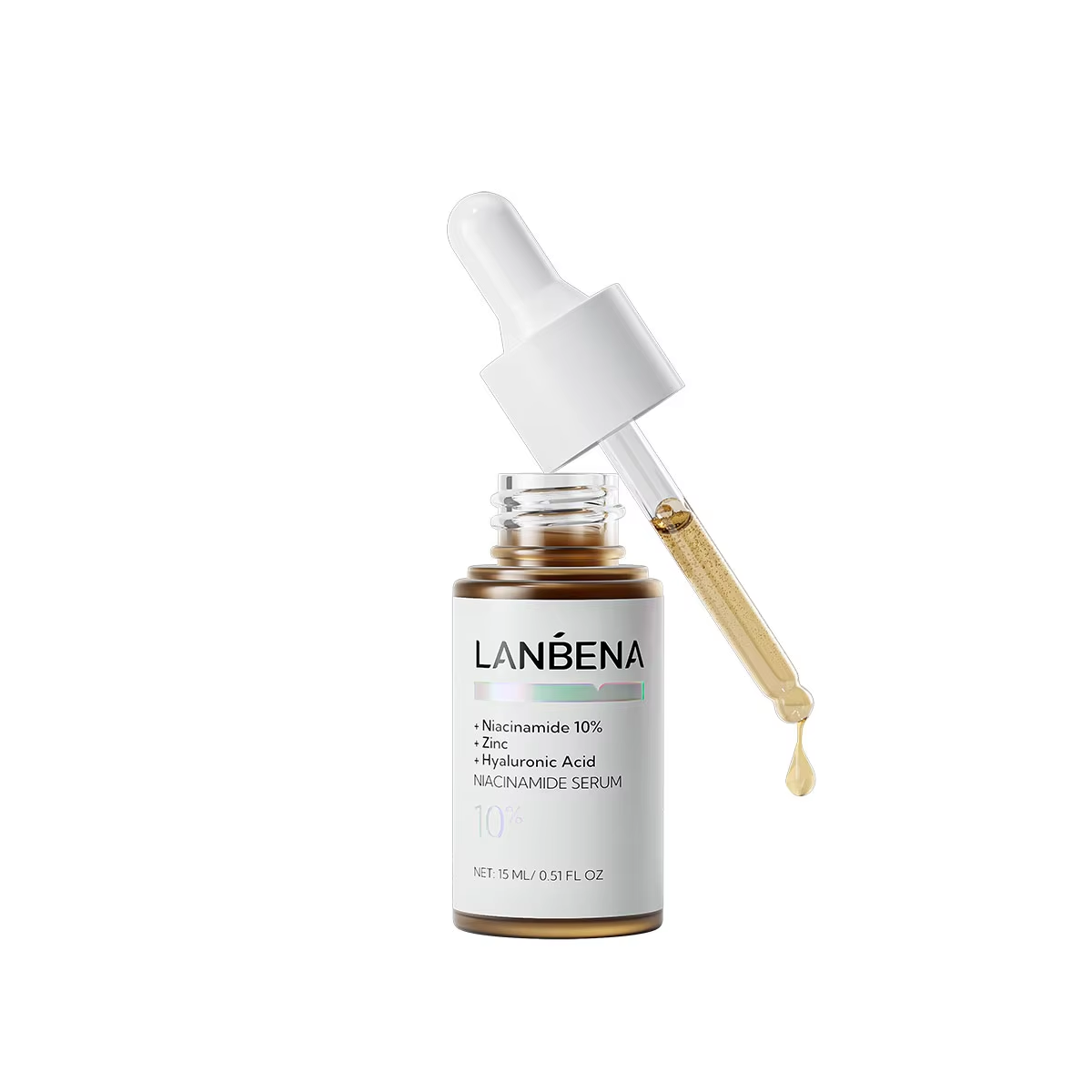
Beyond hyaluronic acid, you may also encounter ingredients like glycerin, beta-glucan, and sodium PCA in hydrating serums. Each of these works differently but shares the same core function of attracting and retaining moisture within the skin. A high-quality hydrating serum for your skin will often combine several of these humectants at varying molecular weights to address hydration at both the surface level and deeper within the skin structure.
Hydrating serums are among the most universally applicable formulas in any skincare line because virtually every skin type can benefit from added moisture, including oily and combination skin. Dehydration and oiliness are not mutually exclusive — in fact, dehydrated oily skin often produces excess sebum as a compensatory response. Addressing that dehydration with the right serum for your skin can therefore also help manage excess oiliness over time.
Matching Serum Formulas to Specific Skin Concerns
Anti-Aging and Firmness-Focused Formulas
For individuals whose primary concern is aging — including fine lines, loss of firmness, and textural changes — choosing a serum for your skin with proven anti-aging actives is essential. Ingredients such as retinol, peptides, vitamin C, and certain plant-based growth factors have demonstrated clinical evidence of supporting collagen synthesis and improving skin density over time. These ingredients work best when used consistently and as part of a broader routine that includes SPF protection during the day.
Peptides are particularly interesting because they are fragments of proteins that can signal the skin to produce more collagen and elastin. Unlike retinol, which can cause irritation and requires a slow introduction, most peptide-rich serums are tolerated well from the start. This makes a peptide-based serum for your skin a strong option for those with sensitive skin who still want meaningful anti-aging results without inflammation or peeling.
Vitamin C deserves special mention as both an antioxidant and a brightening agent. It neutralizes free radicals generated by UV exposure and pollution, while also inhibiting melanin synthesis to create a more even, luminous skin tone. When combined with niacinamide in a well-formulated serum for your skin, the synergy between these two brighteners can produce noticeably improved radiance and tone in as little as four to six weeks of daily use.
Brightening and Tone-Correcting Serums
Hyperpigmentation, dark spots, and uneven tone are among the most common reasons people seek out a targeted serum for your skin. These concerns often stem from sun damage, hormonal fluctuations, acne scarring, or post-inflammatory discoloration. Addressing them effectively requires ingredients that either inhibit melanin production, accelerate cell turnover to shed pigmented cells faster, or both.
Niacinamide is one of the safest and most effective ingredients for reducing the transfer of melanin to skin cells, which is the primary mechanism by which dark spots form. Alpha arbutin works similarly, blocking the enzyme responsible for melanin synthesis without causing the irritation associated with older brightening agents. When you are selecting a serum for your skin to address pigmentation, look for formulas that combine multiple complementary brighteners rather than relying on a single high-concentration ingredient.
Consistency is critical when using brightening serums. Most consumers do not see significant visible results for at least four to eight weeks because the skin's natural cell turnover cycle takes time. Setting this expectation clearly — whether you are advising a retail consumer or evaluating a product for wholesale distribution — helps build trust and encourages adherence to the routine that ultimately drives results.
How to Layer Serums Within a Skincare Routine
The Correct Order of Application
Understanding how to layer a serum for your skin within your existing routine is just as important as choosing the right formula. Serums are designed to be applied after cleansing and toning but before moisturizers and SPF. This positioning ensures that the concentrated active ingredients can penetrate directly into the skin without being blocked by heavier occlusive layers applied beforehand.
If you use more than one serum, the general rule is to apply water-based formulas before oil-based ones, and to layer from the thinnest to the thickest consistency. This allows each formula to absorb properly without being diluted or physically blocked by the product applied before it. However, it is generally advisable to avoid combining too many active ingredients at once, as interactions between high-concentration actives can cause irritation or reduce efficacy.
For morning routines, a brightening or hydrating serum for your skin followed by a broad-spectrum SPF is a reliable and effective combination. For evening routines, anti-aging actives such as retinol or peptide-rich serums tend to work better because cell repair and regeneration processes are most active at night. Understanding this basic rhythm of skin biology helps you time your product use for maximum impact.
Common Mistakes to Avoid When Using Serums
One of the most common mistakes consumers make when introducing a new serum for your skin is using too much product. Serums are highly concentrated, and a few drops applied evenly to the face and neck are typically all that is needed per application. Using excess product does not improve results and can actually increase the risk of irritation, especially with active-heavy formulas.
Another frequent error is switching products too quickly. Because serums require several weeks to show visible results, many users abandon a product before it has had time to work. If your skin is not experiencing irritation or breakouts, it is worth committing to a new serum for your skin for at least four to six weeks before evaluating its effectiveness. Patience is one of the most underrated aspects of a successful skincare routine.
Finally, neglecting SPF is a critical mistake when using many active serums. Ingredients like vitamin C, niacinamide, and especially retinol can increase the skin's sensitivity to UV radiation. Without daily sun protection, you risk counteracting the very results you are trying to achieve. Treating SPF as a non-negotiable part of any routine that includes a brightening or anti-aging serum for your skin is essential for long-term skin health and visible improvement.
FAQ
How do I know which serum is right for my skin type?
The best way to identify the right serum for your skin type is to start by understanding whether your skin is oily, dry, combination, or sensitive. From there, match the serum texture and active ingredients to your primary concern — such as hydration, brightening, or anti-aging. Lightweight gel serums suit oily skin well, while richer, more emollient formulas work better for dry skin. If you are uncertain, multi-benefit serums with well-tolerated actives like niacinamide are an excellent starting point for most skin types.
Can I use a serum every day?
Most hydrating and brightening serums are formulated for daily use, morning and evening. However, some potent actives like retinol should be introduced gradually — starting two to three times per week — before building up to daily use. When using any new serum for your skin, monitor your skin's response during the first two weeks. If you notice excessive dryness or irritation, reduce frequency and allow your skin to adjust before increasing usage.
How long does it take to see results from a serum?
Results vary depending on the active ingredients and the concern being addressed. Hydrating serums often show results within days, as moisture levels visibly improve quite quickly. Brightening and anti-aging serums typically require four to eight weeks of consistent use before noticeable improvements in tone, texture, or fine lines become visible. Committing to a routine and using the serum for your skin consistently is far more important than switching products frequently in search of faster results.
Is it safe to combine multiple serums in one routine?
It is possible to use more than one serum for your skin in a single routine, but it requires care. Certain ingredient combinations — such as vitamin C with niacinamide, or retinol with AHAs — can either reduce efficacy or increase the risk of irritation when used together. A safer approach is to use different serums at different times of day, for example a brightening serum in the morning and an anti-aging serum at night. Always introduce one product at a time so you can identify the source if any reaction occurs.