
 EN
EN
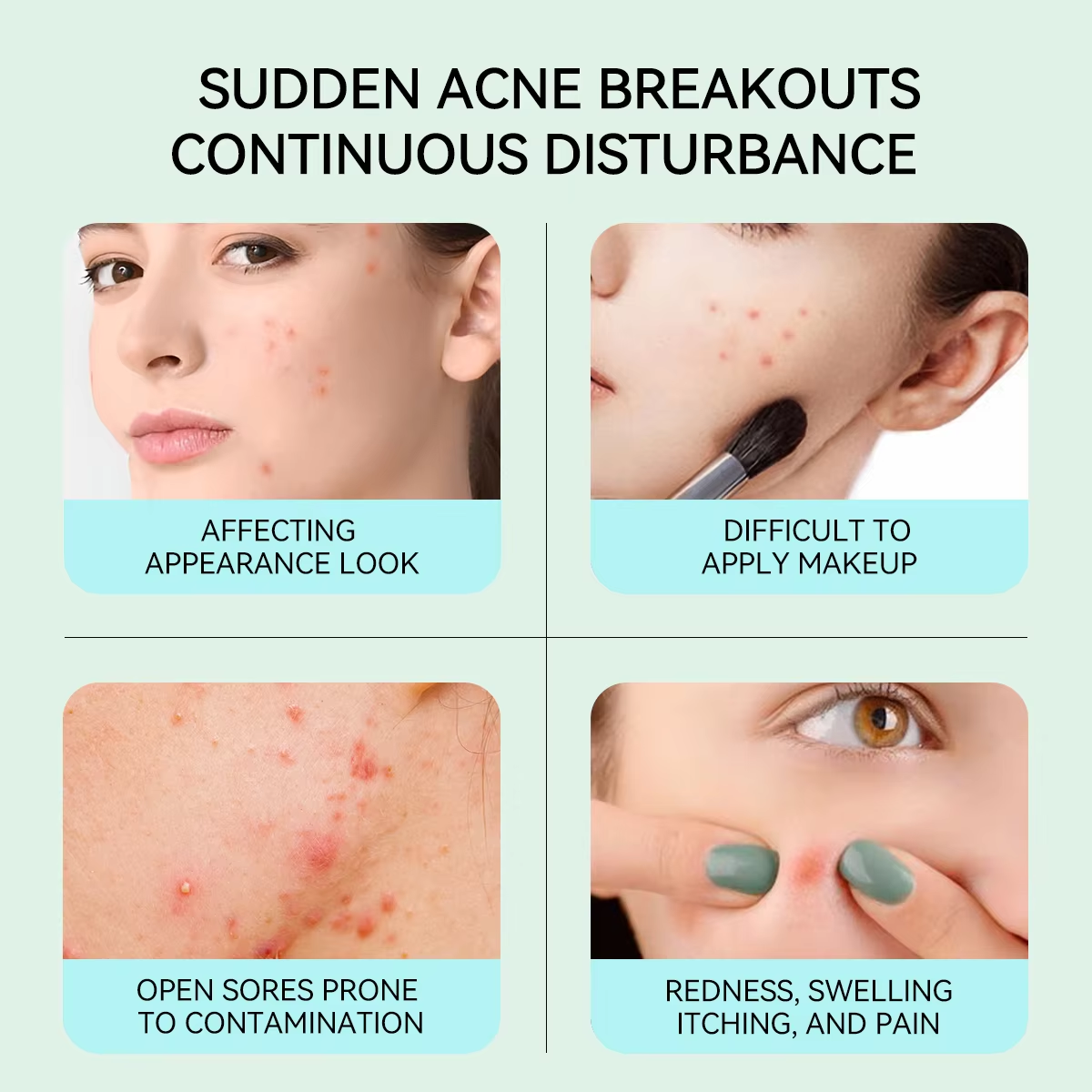
Acne scars represent one of the most persistent dermatological concerns affecting individuals long after active breakouts subside. As pimple patches have surged in popularity as a modern acne treatment tool, a critical question emerges among skincare enthusiasts and dermatology patients: can these hydrocolloid adhesive dressings actually prevent the formation of permanent acne scarring? Understanding the relationship between pimple patch use and scar prevention requires examining the biological mechanisms of wound healing, the specific functions of these patches, and the conditions under which they offer protective benefits. This comprehensive analysis explores whether pimple patches serve as an effective preventative measure against acne scarring or if their reputation exceeds their clinical capabilities.
The answer is conditionally affirmative but requires important clarification. A pimple patch can significantly reduce the risk of acne scarring when applied correctly to appropriate lesion types at the optimal stage of development. These medical-grade hydrocolloid dressings create a protective microenvironment that addresses several key factors contributing to scar formation, including bacterial contamination, mechanical trauma from picking, excessive inflammation, and improper wound healing. However, the effectiveness depends heavily on lesion characteristics, application timing, user compliance, and realistic expectations about what these patches can and cannot accomplish in the complex process of skin repair and regeneration.
Understanding the Biological Connection Between Acne Lesions and Scar Formation
The Pathophysiology of Acne Scarring Development
Acne scars develop through a complex inflammatory cascade that damages the dermal architecture beyond the skin's natural repair capacity. When a pimple forms, the follicular wall ruptures and releases inflammatory mediators, bacteria, and sebum into the surrounding dermal tissue. The body responds with an inflammatory response that, while intended to heal the tissue, can inadvertently cause collateral damage to collagen structures. The severity of this inflammatory response directly correlates with scarring risk, as prolonged or intense inflammation leads to either excessive collagen destruction resulting in atrophic scars or excessive collagen production creating hypertrophic scars. Understanding this mechanism reveals why early intervention with a pimple patch can theoretically interrupt this damaging cascade.
The dermis contains structural proteins including collagen and elastin that provide skin integrity and resilience. Deep inflammatory acne lesions, particularly nodules and cysts, extend into the dermal layer where damage to these structural components becomes permanent. Surface-level comedones and superficial pustules typically heal without scarring because they remain confined to the epidermis, which regenerates completely. The critical distinction lies in lesion depth and inflammatory intensity, factors that determine whether the healing process will restore normal architecture or leave permanent textural changes. A pimple patch influences this outcome primarily through inflammation modulation and protection of the healing environment rather than directly repairing damaged collagen structures.
Primary Risk Factors That Elevate Scarring Probability
Several behavioral and biological factors dramatically increase the likelihood of permanent acne scarring. Manual extraction, picking, and squeezing represent the most preventable causes, as these actions force inflammatory material deeper into dermal tissue, expand the zone of injury, and introduce surface bacteria into sterile inflammatory sites. Delayed treatment of inflammatory lesions allows prolonged tissue damage, while inadequate lesion protection exposes vulnerable healing skin to environmental contaminants and repeated trauma. Genetic predisposition affects individual collagen repair capacity and inflammatory response intensity, explaining why some individuals scar more readily than others under similar conditions. The protective function of a pimple patch directly addresses several modifiable risk factors, particularly mechanical trauma prevention and contamination barrier creation.
Inflammatory acne severity serves as the strongest predictor of scarring risk, with moderate to severe cases producing permanent textural changes in the majority of untreated patients. Lesion duration matters significantly, as research demonstrates that inflammatory lesions persisting beyond several weeks cause progressively greater dermal damage. Individual healing characteristics including age, nutritional status, concurrent medical conditions, and medication use all influence scar formation probability. The window of opportunity for scar prevention closes relatively quickly after lesion formation, making early intervention with tools like a pimple patch particularly valuable. However, these patches cannot reverse genetic susceptibility or repair damage from chronic severe acne without comprehensive dermatological management.
How Pimple Patches Function to Reduce Scarring Risk
Hydrocolloid Technology and Moist Wound Healing Principles
The primary mechanism through which a pimple patch reduces scarring risk involves creating an optimal moist wound healing environment. Traditional dry healing methods, still commonly practiced through air exposure and drying agents, actually impair cellular migration and prolong inflammatory phases. Hydrocolloid dressings absorb excess exudate while maintaining appropriate moisture levels at the wound surface, facilitating faster keratinocyte migration, accelerated re-epithelialization, and reduced inflammatory mediator concentration. This moist environment supports the orderly progression through healing phases including hemostasis, inflammation, proliferation, and remodeling. By optimizing these biological processes, a pimple patch enables more organized tissue repair with better preservation of dermal architecture.
The hydrocolloid material itself consists of gel-forming polymers that absorb wound fluid and create a gel interface between the patch and skin surface. This gel layer maintains hydration while simultaneously drawing excess fluid, bacteria, and inflammatory debris away from the healing tissue. The controlled moisture balance prevents both excessive dryness that would impair cellular activity and excessive wetness that could macerate surrounding healthy skin. Research in wound care has consistently demonstrated that moist healing environments reduce scar formation across various wound types, and these principles translate effectively to acne lesion management. The pimple patch essentially applies advanced wound care technology to the specific challenge of acne healing.
Physical Barrier Protection Against Mechanical Trauma
Perhaps the most immediately valuable function of a pimple patch in scar prevention involves creating a physical barrier that prevents manual manipulation of lesions. The psychological urge to pick, squeeze, or touch active acne lesions represents a nearly universal human behavior that significantly increases scarring risk. By covering the lesion with an adherent dressing, a pimple patch creates both a physical obstacle and a visual reminder that discourages harmful touching behaviors. This behavioral modification aspect may actually contribute more to scar prevention than the biochemical properties of the patch material itself, particularly in individuals prone to compulsive skin picking or excoriation disorder.
The barrier function extends beyond preventing deliberate manipulation to protecting healing lesions from incidental trauma during sleep, facial washing, makeup application, and daily activities. Vulnerable healing tissue can be easily disrupted by friction against pillows, towels, or clothing, with each disruption potentially expanding the injury zone and prolonging inflammation. A pimple patch cushions the healing site and distributes any external pressure across a wider area, minimizing focal trauma to regenerating tissue. Additionally, the occlusive barrier prevents environmental contaminants, airborne bacteria, and cosmetic products from contacting the open lesion, reducing infection risk that would intensify inflammation and increase scarring probability. This comprehensive protection addresses multiple scarring pathways simultaneously.
Inflammation Modulation Through Occlusion
Occlusive dressings like a pimple patch influence the local inflammatory environment in ways that favor controlled healing over excessive tissue damage. The sealed microenvironment maintains stable temperature and pH conditions that support optimal enzyme activity for tissue repair processes. By preventing evaporative water loss from the lesion surface, the patch maintains hydration that facilitates the diffusion of growth factors and cytokines necessary for coordinated healing. Some advanced pimple patch formulations incorporate active ingredients such as salicylic acid, tea tree oil, or niacinamide that provide additional anti-inflammatory and antimicrobial benefits within this protected environment.
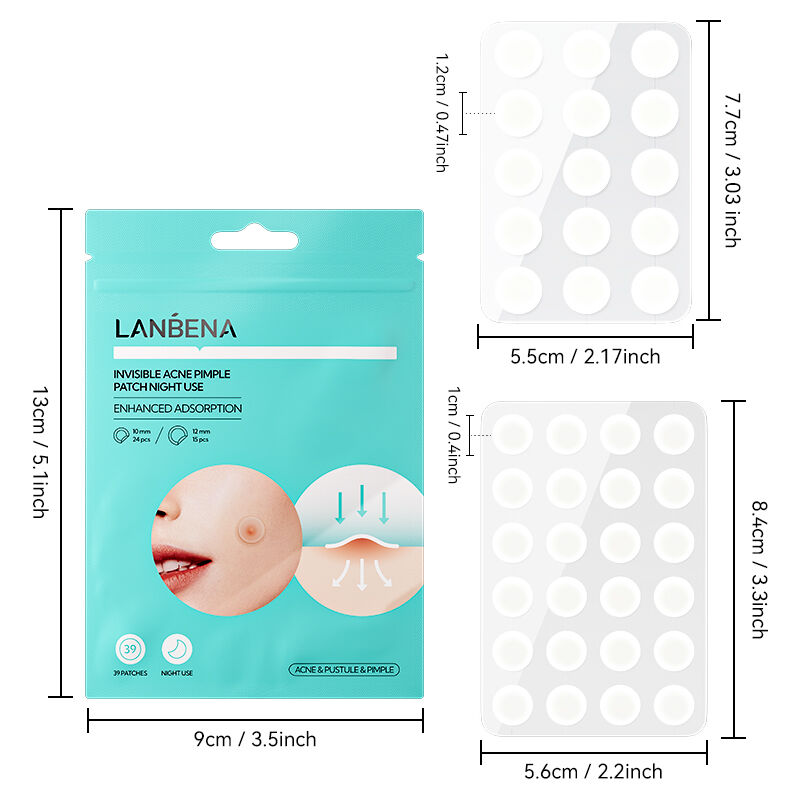
The concentration of endogenous healing factors increases within the occluded space beneath a pimple patch, creating a favorable ratio of pro-healing to pro-inflammatory signals. This biochemical shift can shorten the inflammatory phase of healing, which directly reduces the duration of tissue exposure to damaging inflammatory mediators. However, the anti-inflammatory effect remains modest compared to pharmaceutical interventions, and a pimple patch should not be considered a replacement for appropriate medical treatment of inflammatory acne. The patches work best as adjunctive protective measures that complement rather than substitute comprehensive acne management strategies including appropriate cleansing, topical medications, and when necessary, systemic therapies prescribed by dermatologists.
Optimal Application Strategies for Scar Prevention
Identifying Appropriate Lesion Types for Patch Application
Not all acne lesions benefit equally from pimple patch application, and selecting appropriate targets maximizes scarring prevention outcomes. Superficial pustules with visible white or yellow heads respond most favorably, as the hydrocolloid material effectively absorbs purulent material while protecting the lesion during the critical healing window. These lesions have already progressed through the initial inflammatory phase and entered the drainage stage where a pimple patch can facilitate rapid resolution. Early-stage papules, which represent inflamed lesions without purulent heads, may benefit from patch application to prevent progression to more severe forms, though the absorption function provides less immediate visible benefit.
Deep nodular and cystic lesions present more complex considerations for pimple patch use. These severe inflammatory lesions extend deep into dermal tissue and often require systemic treatment or professional extraction procedures rather than surface management alone. A pimple patch applied to intact cystic lesions cannot address the deep inflammatory process but does provide surface protection and may prevent secondary infection or trauma that would compound existing damage. However, users should maintain realistic expectations, as a pimple patch cannot prevent scarring from severe inflammatory acne that has already caused significant dermal destruction. Professional dermatological evaluation becomes essential when deep, painful, or persistent lesions appear, as these require interventions beyond what any topical dressing can provide.
Timing and Duration Guidelines for Maximum Effectiveness
The timing of pimple patch application critically influences scar prevention effectiveness, with early intervention providing superior outcomes. Ideally, a patch should be applied as soon as a lesion becomes apparent, even before visible pustule formation, to provide immediate protection against trauma and contamination. For lesions that have already developed visible heads, application after gentle cleansing but before any manipulation attempt yields optimal results. The patch can remain in place for six to twelve hours or until it becomes visibly saturated with absorbed material, indicated by the formation of an opaque white bubble where the patch contacts the lesion.
Consecutive pimple patch application over multiple days may be necessary for complete lesion resolution, particularly for larger or more inflamed lesions. Each patch should be replaced when saturation occurs or after the maximum wear time recommended by the manufacturer, typically not exceeding twenty-four hours for hygiene considerations. Continuous protection throughout the active healing phase, which may span three to seven days depending on lesion severity, provides the most comprehensive scar prevention benefit. However, if a lesion shows no improvement after forty-eight to seventy-two hours of consistent patch use, or if surrounding inflammation increases, professional evaluation becomes necessary as the lesion may require medical intervention beyond what a pimple patch can address.
Proper Application Technique for Optimal Adhesion and Function
Correct application technique significantly impacts both the effectiveness and comfort of pimple patch use. The skin surface must be clean, dry, and free from any topical products including moisturizers, serums, or medications that would interfere with adhesion. After cleansing, the area should be gently patted completely dry, as even minimal moisture prevents proper patch adherence and compromises the sealed environment necessary for optimal function. The patch should be removed from its backing using clean hands or tweezers, handled only by the edges to avoid contaminating the adhesive surface, and applied with gentle pressure centered over the lesion.
Once positioned, firm pressure applied with a clean finger for ten to fifteen seconds ensures complete adhesion and eliminates air pockets that would compromise the occlusive seal. The patch should extend beyond the lesion margin by several millimeters to ensure complete coverage and stable adhesion. Avoid applying a pimple patch over broken skin from previous picking or over lesions with active bleeding, as these conditions require different wound care approaches. Similarly, patches should not be applied over topical medications unless specifically designed for combination use, as most acne treatments contain ingredients that prevent proper adhesive bonding. Planning the application timing to avoid interference with regular skincare routines maximizes both patch effectiveness and compliance with comprehensive acne management protocols.
Limitations and Realistic Expectations for Scar Prevention
What Pimple Patches Cannot Accomplish
Despite their benefits, pimple patches possess inherent limitations that users must understand to maintain realistic expectations about scarring prevention. These dressings cannot reverse existing scars or repair dermal damage that has already occurred before application. Once collagen destruction or excessive collagen deposition has created permanent textural changes, a pimple patch provides no therapeutic benefit for the established scar itself. The patches function exclusively as preventative tools during the active lesion and healing phases, not as corrective treatments for post-inflammatory hyperpigmentation or established atrophic or hypertrophic scarring. Individuals with existing acne scarring require different interventions including chemical peels, microneedling, laser therapy, or dermal fillers depending on scar type and severity.
A pimple patch cannot compensate for inadequate overall acne management or address the underlying hormonal, bacterial, or inflammatory factors driving continued breakout formation. Chronic moderate to severe acne requires comprehensive treatment protocols that may include prescription topical retinoids, antibiotics, hormonal therapies, or oral isotretinoin rather than relying solely on lesion-by-lesion patch application. The patches also cannot prevent scarring from severe inflammatory lesions that have already caused extensive dermal damage before patch application. Additionally, individual genetic factors affecting collagen production, inflammatory response intensity, and wound healing capacity influence scarring outcomes independent of any protective interventions, meaning some individuals will develop scars despite optimal patch use and lesion care.
Clinical Evidence and Research Limitations
The scientific literature supporting pimple patch effectiveness for scar prevention remains more limited than the widespread consumer enthusiasm for these products might suggest. Most published research examines hydrocolloid dressings in general wound care contexts rather than specifically investigating acne lesion outcomes and long-term scarring prevention. While the principles of moist wound healing are well-established and support the theoretical basis for pimple patch benefits, controlled clinical trials directly comparing scarring rates between patch-treated and control acne lesions remain scarce. Much of the current evidence consists of observational reports, consumer testimonials, and extrapolation from general wound care research rather than rigorous dermatological outcome studies.
The existing evidence does support that pimple patches effectively absorb exudate, reduce lesion duration, and minimize post-inflammatory hyperpigmentation compared to untreated lesions or those subjected to picking and squeezing. However, quantifying the precise degree of scarring risk reduction attributable specifically to patch use remains challenging due to the multifactorial nature of scar formation and the difficulty of conducting controlled studies where individual lesions serve as experimental units. Dermatologists generally regard pimple patches as beneficial adjunctive tools with low risk and reasonable evidence for supportive benefits, though not as primary therapeutic agents for acne management or scar prevention. Users should interpret marketing claims cautiously and recognize that while patches offer genuine benefits, they represent one component of comprehensive acne care rather than standalone scar prevention solutions.
Complementary Interventions for Comprehensive Scar Prevention
Maximizing scar prevention outcomes requires integrating pimple patch use with evidence-based acne treatments and protective skincare practices. Appropriate cleansing with gentle non-comedogenic products removes excess sebum and surface bacteria without causing irritation that would intensify inflammation. Prescription retinoids including tretinoin, adapalene, or tazarotene normalize follicular keratinization, reduce microcomedone formation, and possess anti-inflammatory properties that address acne development at its source. These medications significantly reduce overall lesion formation, thereby preventing the inflammatory damage that leads to scarring more effectively than treating individual lesions after they appear.
Sun protection assumes critical importance in scar prevention, as ultraviolet exposure worsens post-inflammatory hyperpigmentation and can darken healing lesions, creating pigmentary changes that persist for months or years. Daily application of broad-spectrum sunscreen with SPF 30 or higher protects vulnerable healing skin and minimizes the risk of persistent discoloration that many people conflate with true scarring. For individuals with persistent inflammatory acne despite topical treatments, dermatological consultation enables access to systemic therapies including oral antibiotics, hormonal treatments, or isotretinoin that can dramatically reduce disease severity and consequently scarring risk. A pimple patch serves most effectively as part of this comprehensive approach, providing targeted protection for individual lesions while broader treatments address the underlying acne process.
Special Considerations for Different Skin Types and Acne Patterns
Effectiveness Across Skin Tone and Phototype Variations
Post-inflammatory hyperpigmentation represents a particular concern for individuals with darker skin tones, as increased melanin production in response to inflammation creates visible dark spots that can persist for months even after complete lesion healing. While a pimple patch cannot prevent the melanocyte activation that causes hyperpigmentation, the inflammation-reducing and protective functions do minimize the inflammatory intensity that triggers excessive pigment production. Studies indicate that individuals with Fitzpatrick skin types IV through VI experience longer-lasting and more pronounced post-inflammatory changes, making early intervention with protective measures like pimple patches particularly valuable for these populations.
However, adhesive products can occasionally cause irritation or allergic contact dermatitis, with some evidence suggesting slightly higher sensitivity rates in individuals with darker skin tones or those with concurrent inflammatory skin conditions. Selecting pimple patches specifically formulated for sensitive skin and performing patch tests on inconspicuous areas before facial application reduces adverse reaction risk. The physical protection against picking and touching provided by these patches may offer disproportionate benefits for darker-skinned individuals specifically because preventing post-inflammatory hyperpigmentation often matters more for cosmetic outcomes than preventing textural scarring in these populations. Combining pimple patch use with brightening ingredients like niacinamide, vitamin C, or azelaic acid optimizes outcomes for hyperpigmentation-prone skin.
Considerations for Hormonal Versus Bacterial Acne Patterns
The underlying acne etiology influences how effectively a pimple patch can contribute to scar prevention strategies. Hormonal acne, characterized by deep, painful lesions along the jawline and chin that fluctuate with menstrual cycles, often produces nodular and cystic lesions that pose high scarring risk. While pimple patches provide surface protection for these deep lesions, the inflammatory process occurs primarily in deep dermal tissue beyond the patch's direct influence. These cases typically require hormonal interventions including oral contraceptives, spironolactone, or other anti-androgen therapies to address the root cause. A pimple patch serves a supplementary protective role but cannot substitute for the systemic treatment necessary to control hormonally-driven inflammatory acne.
Conversely, primarily bacterial or comedonal acne patterns with numerous superficial pustules and papules represent ideal candidates for pimple patch intervention. These lesion types respond well to the absorption, protection, and moist healing environment provided by patches, often resolving more quickly and cleanly than with conventional treatment approaches. The relatively superficial nature of these lesions means less inherent scarring risk, and the protective benefits of a pimple patch can effectively prevent the trauma-induced scarring that would otherwise occur through picking or improper home extraction attempts. Individuals with mixed acne patterns benefit from strategic patch application to appropriate superficial lesions while pursuing appropriate medical management for deeper inflammatory components that require pharmaceutical intervention.
Age-Related Factors in Healing and Scarring Risk
Age influences both intrinsic scarring susceptibility and the relative benefit derived from pimple patch use through multiple biological mechanisms. Adolescent skin generally demonstrates more robust healing capacity and faster cellular turnover compared to mature skin, potentially enabling more complete recovery from inflammatory damage when proper protective measures are employed. However, adolescents also face higher acne severity on average and may demonstrate less consistent compliance with skincare protocols, potentially offsetting the biological healing advantages. A pimple patch offers particular behavioral benefits for younger users by providing a visible deterrent to picking and a tangible intervention that increases engagement with acne management.
Adult acne, increasingly recognized as a distinct clinical entity affecting individuals into their thirties, forties, and beyond, occurs in skin with diminished collagen reserves, slower cellular turnover, and reduced healing capacity compared to younger skin. These factors potentially increase scarring susceptibility from inflammatory lesions, making protective interventions like pimple patches particularly valuable. Additionally, adult patients often demonstrate higher treatment compliance and more sophisticated understanding of proper application techniques, potentially deriving greater practical benefit from these tools. However, adult acne frequently involves hormonal or stress-related factors requiring comprehensive management beyond topical interventions alone. Realistic expectations acknowledge that while a pimple patch contributes to lesion protection across all age groups, the overall acne management strategy must address age-specific contributing factors and healing capacity variations.
FAQ
Do pimple patches work on all types of acne scars?
No, pimple patches do not work on existing acne scars of any type. These hydrocolloid dressings function exclusively as preventative tools during the active lesion and healing phases, not as treatments for established scars. Once permanent textural changes have formed, including atrophic scars like ice pick, boxcar, or rolling scars, or hypertrophic and keloid scars, a pimple patch provides no therapeutic benefit. Treating existing scars requires professional interventions such as chemical peels, microneedling, laser resurfacing, subcision, dermal fillers, or surgical revision depending on the specific scar type and severity. The patches can only reduce the risk of new scar formation by protecting active lesions from trauma, contamination, and excessive inflammation during the healing process.
How long should I wear a pimple patch to prevent scarring?
For optimal scar prevention benefit, wear a pimple patch for six to twelve hours or until it becomes visibly saturated with absorbed material, whichever occurs first. Most patches show saturation by developing an opaque white area where they contact the lesion. Replace saturated patches with fresh ones to maintain continuous protection throughout the active healing phase, which typically spans three to seven days depending on lesion severity. Overnight application works well for many users, as the extended uninterrupted wear time maximizes absorption and protection while the patch remains undisturbed during sleep. For larger or more inflamed lesions, consecutive daily applications may be necessary until complete resolution occurs. However, if no improvement appears after seventy-two hours of consistent use, or if inflammation worsens, discontinue patch application and seek professional dermatological evaluation.
Can I apply skincare products under a pimple patch?
No, you should not apply skincare products including moisturizers, serums, or acne treatments under a pimple patch unless the product is specifically designed for use with occlusive dressings. Most topical products contain ingredients that prevent proper adhesive bonding, compromising the patch's ability to create the sealed environment necessary for optimal function. Additionally, trapping active ingredients like retinoids, benzoyl peroxide, or acids under an occlusive patch can cause excessive irritation or chemical burns due to increased penetration in the sealed environment. The application site must be completely clean and dry for proper patch adhesion. Apply your regular skincare routine to the surrounding areas while avoiding the patch site, or use treatments on the affected area during times when you are not wearing a patch, such as applying acne medications in the morning if you wear patches overnight.
Are expensive pimple patches more effective at preventing scars than basic ones?
Not necessarily. The core scar prevention benefits of pimple patches derive from basic hydrocolloid technology and physical barrier protection, functions that inexpensive basic patches perform as effectively as premium versions. The fundamental mechanisms including moist wound healing environment creation, exudate absorption, and trauma prevention work similarly across different price points when proper adhesion is achieved. However, premium patches may offer advantages including better adhesion for extended wear, thinner profiles for daytime discretion, supplementary active ingredients like salicylic acid or tea tree oil for additional anti-inflammatory effects, or specialized designs for different facial contours. These features enhance convenience and user experience but provide marginal improvements in actual scar prevention outcomes compared to basic hydrocolloid patches properly applied to appropriate lesions. For most users, consistent correct application of affordable patches delivers comparable scar prevention benefits to premium alternatives.
Table of Contents
- Understanding the Biological Connection Between Acne Lesions and Scar Formation
- How Pimple Patches Function to Reduce Scarring Risk
- Optimal Application Strategies for Scar Prevention
- Limitations and Realistic Expectations for Scar Prevention
- Special Considerations for Different Skin Types and Acne Patterns
- FAQ