
 EN
EN
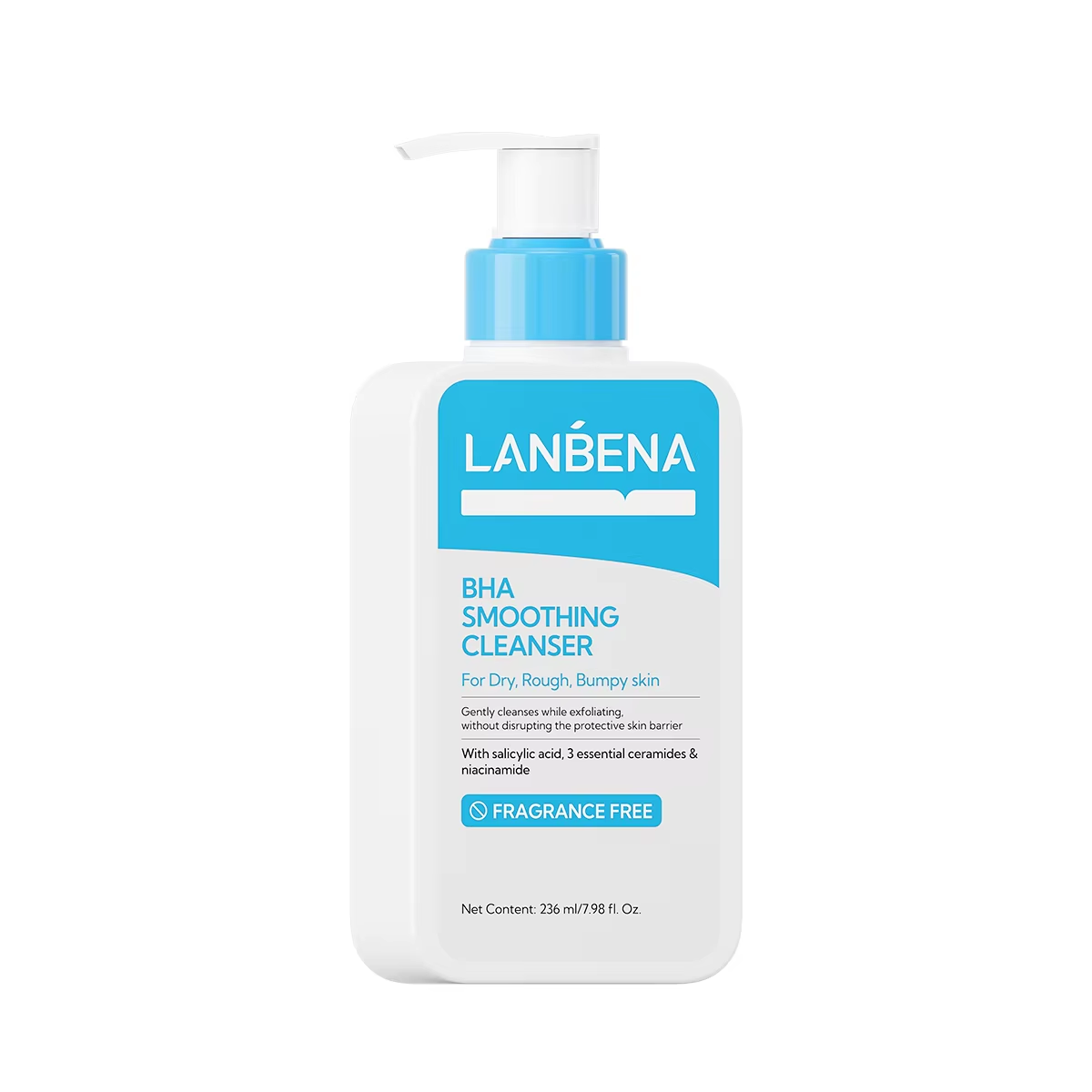
The pH level in facial cleanser formulations represents one of the most scientifically significant yet frequently overlooked parameters in modern skincare chemistry. While consumers often focus on ingredient lists featuring exotic botanical extracts or trending active compounds, the fundamental acid-base balance of a cleansing product exerts profound influence over skin barrier function, microbial ecology, and long-term dermatological health. Understanding why pH level in facial cleanser products matters requires examining the intricate relationship between chemical formulation and the skin's naturally acidic protective mantle, which typically maintains a pH range between 4.5 and 5.5 under healthy conditions.
The critical importance of pH level in facial cleanser development stems from its direct impact on the stratum corneum's structural integrity and functional performance. When cleansing products deviate significantly from the skin's natural pH environment, they trigger cascading biochemical responses that compromise barrier lipids, alter enzymatic activity, and create favorable conditions for pathogenic colonization. This article explores the multifaceted reasons why pH balance matters in facial cleansing formulations, examining physiological mechanisms, barrier disruption pathways, microbial balance considerations, and the practical implications for formulators and consumers seeking to maintain optimal skin health through scientifically informed product selection.
The Skin's Acid Mantle and Its Protective Functions
Biochemical Composition of the Acid Mantle
The skin's acid mantle represents a thin, slightly acidic film covering the stratum corneum surface, created through the metabolic activities of resident microorganisms, sebaceous gland secretions, and the breakdown of structural proteins within corneocytes. This biological layer maintains a pH typically ranging from 4.7 to 5.75 across different facial regions, with variations influenced by factors including sebum production rates, sweat composition, and microbial metabolic byproducts. The acidic nature originates primarily from free fatty acids released during triglyceride hydrolysis, lactic acid from eccrine sweat glands, and amino acids generated through filaggrin degradation within the cornified envelope. Understanding this complex biochemical system explains why pH level in facial cleanser formulations must be carefully controlled to avoid disrupting these naturally occurring protective mechanisms.
The acid mantle performs multiple defensive functions beyond simple pH maintenance, including antimicrobial activity against pathogenic bacteria, regulation of enzymatic processes controlling desquamation, and maintenance of lipid lamellar structure within intercellular spaces. Acidic pH conditions inhibit the growth of alkaliphilic pathogens while supporting beneficial commensal species that contribute to skin homeostasis. Additionally, the slightly acidic environment optimizes the activity of proteolytic enzymes responsible for controlled corneocyte shedding, preventing both excessive accumulation and premature desquamation. When facial cleansers with inappropriate pH levels in facial cleanser products contact the skin repeatedly, they systematically undermine these protective mechanisms, leading to increased susceptibility to infection, barrier dysfunction, and accelerated aging processes.
Regional pH Variations and Their Significance
Facial skin exhibits notable pH gradients across different anatomical regions, reflecting variations in sebaceous gland density, moisture retention capacity, and microbial colonization patterns. The T-zone typically displays lower pH values due to higher sebum production, while cheek areas often present slightly elevated pH readings associated with reduced lipid content and increased transepidermal water loss. These regional differences influence how specific areas respond to cleansing products, with sebum-rich zones demonstrating greater pH buffering capacity compared to drier regions that show increased vulnerability to alkaline disruption. Recognition of these variations underscores why pH level in facial cleanser development should account for whole-face application rather than targeting isolated skin types.
The practical implications of regional pH diversity become particularly relevant when formulating cleansers intended for comprehensive facial use rather than targeted zone treatment. Products with neutral or alkaline pH profiles may adequately cleanse oily central facial regions without immediate apparent damage due to sebum's buffering effects, yet simultaneously cause significant barrier disruption in drier peripheral areas lacking such protection. This differential impact explains why some users report mixed experiences with the same cleanser, experiencing adequate cleansing in certain areas while developing sensitivity or dryness in others. Optimal pH level in facial cleanser formulations should provide consistent compatibility across all facial regions, maintaining effectiveness without compromising barrier integrity regardless of localized sebum production or hydration status.
Mechanisms of pH-Induced Barrier Disruption
Lipid Lamellar Organization and pH Sensitivity
The stratum corneum's barrier function depends fundamentally on the precise three-dimensional organization of intercellular lipids, primarily ceramides, cholesterol, and free fatty acids arranged in repeating lamellar bilayers. These lipid structures exhibit remarkable pH sensitivity, with their phase behavior, fluidity, and spacing characteristics responding dynamically to changes in environmental acidity. Research demonstrates that elevated pH conditions promote lipid phase transitions from ordered crystalline states to disordered liquid-crystalline configurations, increasing membrane permeability and reducing barrier effectiveness. When pH level in facial cleanser products exceeds the skin's natural range, repeated exposure progressively disrupts this organized lipid architecture, creating pathways for increased transepidermal water loss and enhanced penetration of potentially irritating substances.
The ionization state of fatty acid head groups within these lipid bilayers changes significantly with pH fluctuations, directly affecting intermolecular interactions and lamellae stability. At acidic pH values matching healthy skin conditions, fatty acids remain predominantly protonated and electrically neutral, facilitating tight molecular packing and strong hydrophobic interactions. Alkaline conditions cause deprotonation and the formation of negatively charged carboxylate groups, introducing electrostatic repulsion that disrupts lamellar cohesion and increases intermolecular spacing. This pH-dependent reorganization explains why even brief exposure to high pH level in facial cleanser formulations during washing can temporarily compromise barrier function, with effects persisting for hours after product removal as the skin works to restore its natural acidic environment and repair disrupted lipid structures.
Protein Structure Modification and Enzymatic Dysregulation
The cornified envelope proteins forming the structural framework of corneocytes undergo pH-dependent conformational changes that affect their barrier properties and susceptibility to enzymatic degradation. At physiological acidic pH, these structural proteins maintain optimal configurations supporting mechanical strength and water-retention capacity through precise hydrogen bonding networks and electrostatic interactions. Alkaline pH conditions disrupt these stabilizing forces, causing protein swelling, altered water binding, and increased vulnerability to proteolytic attack. Furthermore, the enzymatic machinery governing corneocyte desquamation operates within narrow pH optima, with serine proteases responsible for desmoglein cleavage showing dramatically reduced activity at elevated pH. When pH level in facial cleanser products repeatedly shifts skin pH upward, it disturbs this carefully regulated desquamation process, potentially leading to either incomplete shedding with surface roughness or excessive exfoliation with barrier thinning.
Beyond structural proteins, numerous enzymes involved in barrier lipid synthesis and processing demonstrate pH-sensitive activity profiles that directly impact skin health. Beta-glucocerebrosidase, a key enzyme converting glucosylceramides to ceramides in the transition from stratum granulosum to stratum corneum, exhibits optimal activity around pH 5.5 and shows significantly reduced function at neutral or alkaline pH. Similarly, acidic sphingomyelinase and secretory phospholipase A2, both critical for generating free fatty acids and maintaining lipid composition, operate most efficiently under acidic conditions. Repeated disruption of optimal pH through inappropriate pH level in facial cleanser selection effectively throttles these essential biosynthetic pathways, gradually depleting barrier lipids and compromising long-term skin health despite the skin's attempts to restore homeostasis between cleansing events.
Microbial Ecology and pH-Dependent Balance
Commensal Flora Support Through Acidic pH
The skin microbiome comprises diverse bacterial, fungal, and viral communities that contribute significantly to dermatological health through competitive exclusion of pathogens, immune system education, and metabolic activities supporting barrier function. These beneficial commensal organisms, predominantly including Cutibacterium acnes, Staphylococcus epidermidis, and various Corynebacterium species, have evolved to thrive specifically within the acidic pH environment of healthy skin. The slightly acidic conditions created by normal skin physiology simultaneously support these beneficial microbes while inhibiting alkaliphilic pathogenic species, creating a natural selective pressure that maintains microbial balance. When pH level in facial cleanser formulations regularly elevates skin pH beyond this optimal range, it fundamentally alters the competitive landscape, potentially allowing opportunistic pathogens to gain footholds while stressing beneficial populations adapted to acidic conditions.
Research examining microbial community shifts following pH manipulation demonstrates clear correlations between alkaline exposure and dysbiotic patterns associated with various skin conditions. Elevated pH favors the proliferation of Staphylococcus aureus, a pathobiont linked to atopic dermatitis exacerbation, while simultaneously reducing populations of beneficial coagulase-negative staphylococci that produce antimicrobial peptides protecting against pathogenic colonization. The relationship between pH level in facial cleanser choices and microbiome health extends beyond immediate bacterial counts to influence microbial metabolic output, including the production of short-chain fatty acids and other compounds that directly support barrier lipid synthesis and immune regulation. Chronically disrupting skin pH through inappropriate cleanser selection effectively undermines these symbiotic relationships, potentially contributing to increased infection susceptibility, inflammatory conditions, and accelerated skin aging through loss of microbiome-derived protective factors.
Antimicrobial Defense Systems and pH Dependency
Beyond supporting beneficial microbes, acidic skin pH directly enhances multiple innate antimicrobial defense mechanisms that protect against pathogenic invasion. Antimicrobial peptides including defensins and cathelicidins demonstrate pH-dependent activity, with many showing enhanced antimicrobial potency under acidic conditions characteristic of healthy skin. Additionally, the acidic environment itself exerts direct bacteriostatic or bactericidal effects against many pathogenic species, particularly gram-negative bacteria that preferentially colonize neutral or alkaline surfaces. Free fatty acids present on the skin surface similarly show pH-dependent antimicrobial activity, functioning most effectively in their protonated acidic forms rather than their ionized salts predominating at elevated pH. The cumulative effect of these pH-sensitive defense systems explains why maintaining appropriate pH level in facial cleanser products matters significantly for infection resistance beyond simple microbial ecology considerations.
The clinical relevance of pH-dependent antimicrobial defense becomes particularly apparent in populations with compromised barrier function or inflammatory skin conditions. Studies of atopic dermatitis patients reveal elevated skin pH correlating with increased Staphylococcus aureus colonization and disease severity, creating a self-reinforcing cycle where barrier dysfunction raises pH, which further promotes pathogenic growth and inflammation. Intervention studies using pH-lowering treatments demonstrate measurable improvements in microbial balance and clinical symptoms, highlighting the therapeutic potential of maintaining acidic conditions. For consumers managing sensitive or condition-prone skin, selecting cleansers with appropriate pH level in facial cleanser formulations represents a fundamental preventive strategy, helping maintain the acidic environment that simultaneously supports beneficial microbes, activates innate defense mechanisms, and inhibits pathogenic colonization.
Long-Term Consequences of pH Imbalance
Cumulative Barrier Damage and Sensitization
While skin possesses remarkable resilience and pH buffering capacity allowing recovery from individual alkaline exposures, repeated daily use of high pH level in facial cleanser products creates cumulative damage that progressively overwhelms natural repair mechanisms. Each cleansing event temporarily elevates skin pH, typically requiring 30 minutes to several hours for complete restoration depending on the magnitude of disruption and individual physiological capacity. During this recovery period, the skin experiences reduced barrier function, increased penetration of environmental irritants and allergens, and altered enzymatic activity affecting lipid synthesis. When cleansing occurs twice daily with inappropriate products, the skin never fully recovers between exposures, existing in a chronic state of pH imbalance with persistent barrier compromise that manifests gradually through increased sensitivity, dryness, and reactivity.
The sensitization potential associated with chronically elevated skin pH extends beyond immediate barrier disruption to include immunological consequences that increase allergic response tendencies. Barrier compromise allows increased penetration of potential allergens that might otherwise remain on the skin surface, facilitating sensitization to ingredients, environmental proteins, and microbial antigens. Additionally, pH-induced barrier stress triggers the release of pro-inflammatory cytokines and damage-associated molecular patterns that activate innate immune responses, creating a low-grade inflammatory environment that primes the skin for heightened reactivity. Over months to years of exposure to inappropriate pH level in facial cleanser products, this cumulative effect can transform previously tolerant skin into reactive, sensitive skin requiring increasingly restricted product selection and potentially never fully recovering its original resilience even after switching to pH-appropriate cleansers.
Accelerated Aging Through Chronic pH Disruption
The relationship between pH management and skin aging extends beyond surface barrier considerations to influence deeper dermal processes affecting structural integrity and appearance. Chronic elevation of skin pH through repeated exposure to alkaline cleansers has been associated with increased matrix metalloproteinase activity, enzymes responsible for degrading collagen and elastin within the dermal extracellular matrix. While these enzymes serve important remodeling functions under physiological regulation, their activity increases significantly at elevated pH levels, potentially accelerating the breakdown of structural proteins that maintain skin firmness and elasticity. Furthermore, pH-induced barrier dysfunction increases transepidermal water loss, leading to chronic dehydration of both epidermal and dermal compartments that manifests as increased fine lines, reduced plumpness, and impaired wound healing capacity.
The oxidative stress implications of inappropriate pH level in facial cleanser selection add another dimension to aging acceleration concerns. Barrier-compromised skin shows increased susceptibility to environmental oxidant penetration, including pollutants, ozone, and ultraviolet radiation-generated reactive oxygen species that damage cellular components and accelerate photoaging processes. Simultaneously, the chronic low-grade inflammation resulting from persistent pH imbalance generates endogenous oxidative stress through activated immune cells and inflammatory cascades. This combined oxidative burden overwhelms antioxidant defense systems, leading to accumulated damage in lipids, proteins, and DNA that manifests as premature aging signs including hyperpigmentation, loss of elasticity, and increased wrinkle formation. For consumers concerned with maintaining youthful skin appearance, selecting pH-appropriate cleansers represents a fundamental preventive strategy often overlooked in favor of more expensive anti-aging treatments that cannot fully compensate for ongoing barrier damage from inappropriate daily cleansing practices.
Practical Implications for Product Selection and Use
Identifying pH-Appropriate Cleansing Products
The practical challenge facing consumers seeking to protect skin health through appropriate pH level in facial cleanser selection involves navigating limited product labeling and marketing claims that rarely provide explicit pH information. Traditional bar soaps typically exhibit pH values between 9 and 11 due to their saponification chemistry, representing the most problematic category for facial use despite their cleansing effectiveness. Synthetic detergent-based cleansers vary widely in pH depending on formulation choices, with some achieving near-skin pH while others remain alkaline despite gentle marketing positioning. The terms often used in product marketing provide limited guidance, with descriptors like gentle, mild, or sensitive-skin-appropriate offering no guarantee of pH compatibility since these claims may reference other formulation aspects like surfactant concentration or fragrance absence rather than acid-base balance.
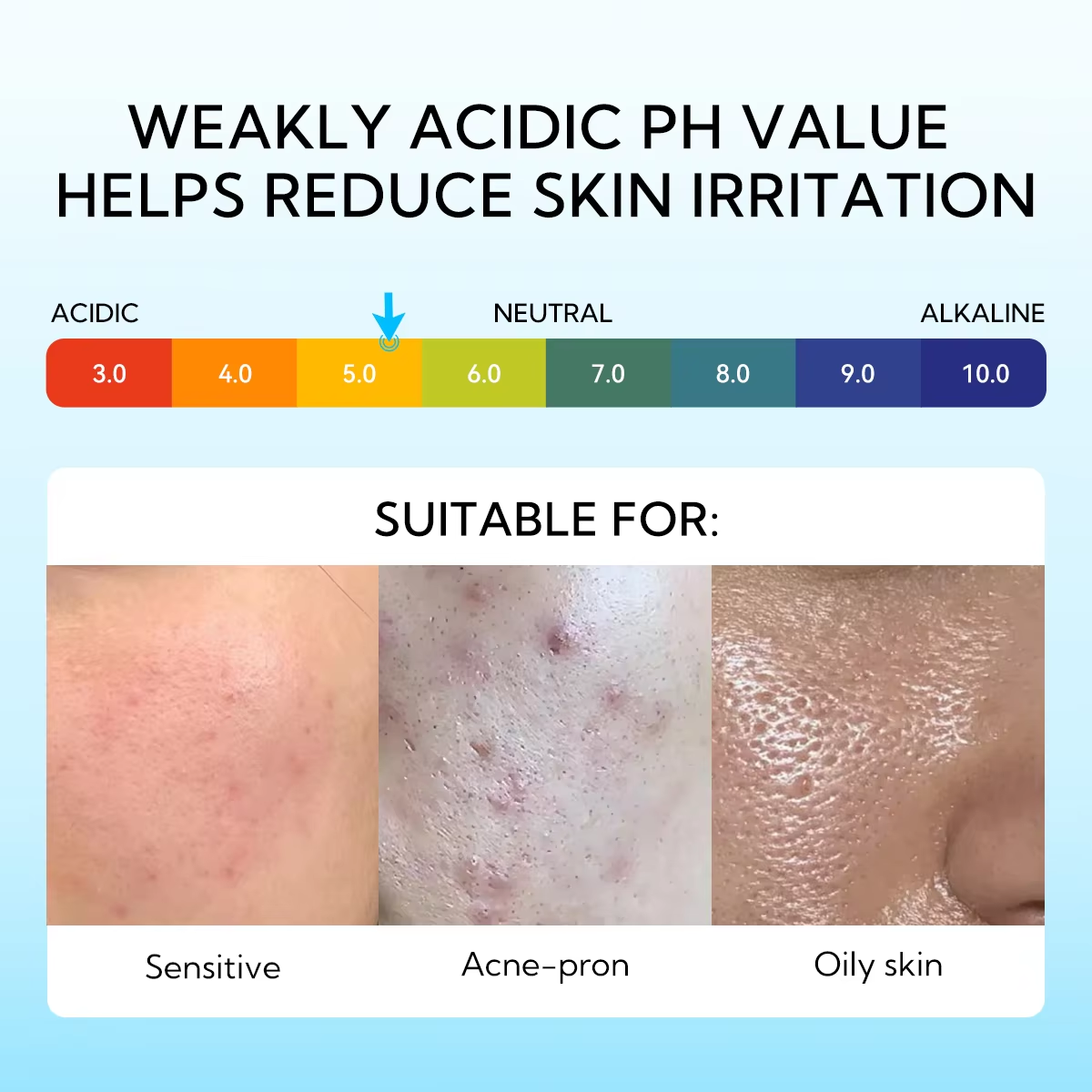
Consumers serious about pH-appropriate cleansing can employ several strategies to identify suitable products despite limited explicit labeling. Some premium skincare brands have begun highlighting pH values in product descriptions or marketing materials, recognizing growing consumer awareness of this parameter's importance. For products lacking this information, pH testing strips provide an affordable method for home assessment, though proper technique requires diluting concentrated products to use-appropriate levels and accounting for potential color interference from pigmented formulations. Professional consultation with dermatologists or cosmetic chemists can provide guidance on specific product recommendations, while online skincare communities increasingly share pH testing results for popular products. Understanding that optimal pH level in facial cleanser formulations falls between 4.5 and 6.5, with values closest to 5.5 providing ideal compatibility, allows informed evaluation of products when pH data becomes available through any of these sources.
Formulation Considerations for Optimal pH Balance
Achieving appropriate pH level in facial cleanser formulations while maintaining effective cleansing performance requires sophisticated formulation chemistry that balances multiple competing requirements. Surfactants, the primary cleansing agents, often show pH-dependent performance characteristics, with many anionic surfactants demonstrating optimal foam generation and cleansing efficiency at slightly alkaline pH. Formulation chemists must therefore employ pH adjustment strategies using buffering systems, typically incorporating weak acids like citric acid, lactic acid, or their salts, to maintain desired pH ranges without compromising cleansing effectiveness. Advanced formulations may include pH-responsive polymers or specific surfactant combinations selected for maintained performance across acidic pH ranges, though these approaches increase formulation complexity and cost.
The stability considerations associated with pH-controlled formulations add additional technical challenges that explain why not all manufacturers prioritize this parameter. Many beneficial skincare ingredients including certain vitamins, peptides, and botanical extracts demonstrate pH-dependent stability, with some requiring different pH ranges than those optimal for skin compatibility. Preservative systems similarly show pH-sensitive antimicrobial efficacy, with many common preservatives functioning most effectively at pH ranges above those ideal for skin health. Formulators committed to appropriate pH level in facial cleanser products must therefore navigate these constraints through careful ingredient selection, potentially accepting limitations on certain popular ingredients or employing more expensive alternatives that maintain functionality at skin-compatible pH. For consumers, understanding these formulation challenges helps explain premium pricing sometimes associated with truly pH-balanced products and highlights the technical expertise required to create formulations that simultaneously cleanse effectively, remain stable throughout shelf life, and protect rather than compromise skin barrier function.
FAQ
What is the ideal pH level in facial cleanser products for maintaining healthy skin?
The ideal pH level in facial cleanser formulations ranges between 4.5 and 5.5, closely matching the natural pH of healthy facial skin. This slightly acidic range supports the skin's acid mantle, maintains optimal barrier function, preserves beneficial microbial populations, and ensures proper enzymatic activity governing desquamation and lipid synthesis. Products within this pH range effectively cleanse without disrupting the skin's protective mechanisms, making them suitable for daily use across various skin types including sensitive and barrier-compromised skin.
How can consumers determine if their facial cleanser has an appropriate pH level?
Consumers can assess the pH level in facial cleanser products through several methods including checking product packaging or manufacturer websites for pH disclosures, which some premium brands now provide. Alternatively, pH testing strips available at pharmacies or online retailers allow direct measurement by diluting the cleanser according to use instructions and comparing the strip color change against the provided chart. Reading ingredient lists for pH adjusters like citric acid or lactic acid may suggest acidic formulation, though this alone does not guarantee appropriate pH without actual testing.
Can using a cleanser with incorrect pH permanently damage skin?
While single exposures to inappropriate pH level in facial cleanser products typically cause only temporary effects that resolve as skin naturally restores its acid mantle, chronic daily use over months or years can create persistent barrier dysfunction, increased sensitization, altered microbial ecology, and accelerated aging that may not fully reverse even after switching to pH-appropriate products. The skin's remarkable adaptive capacity means permanent damage remains rare, but long-term consequences including chronic sensitivity, increased reactivity, and premature aging signs represent realistic outcomes from sustained use of high-pH cleansers, particularly in individuals with pre-existing barrier vulnerability.
Do all skin types require the same pH level in facial cleansers?
Despite variations in sebum production, hydration levels, and sensitivity among different skin types, all facial skin benefits from pH level in facial cleanser formulations within the 4.5 to 5.5 range that matches natural skin acidity. Oily skin types may tolerate slightly higher pH values better due to sebum's buffering capacity, while dry and sensitive skin shows particular vulnerability to alkaline disruption, but optimal barrier health, microbial balance, and enzymatic function across all skin types occur at similar pH ranges. Rather than requiring different pH targets, various skin types benefit more from adjustments in surfactant concentration, occlusive ingredient inclusion, and active compound selection within pH-appropriate formulations.