
 EN
EN
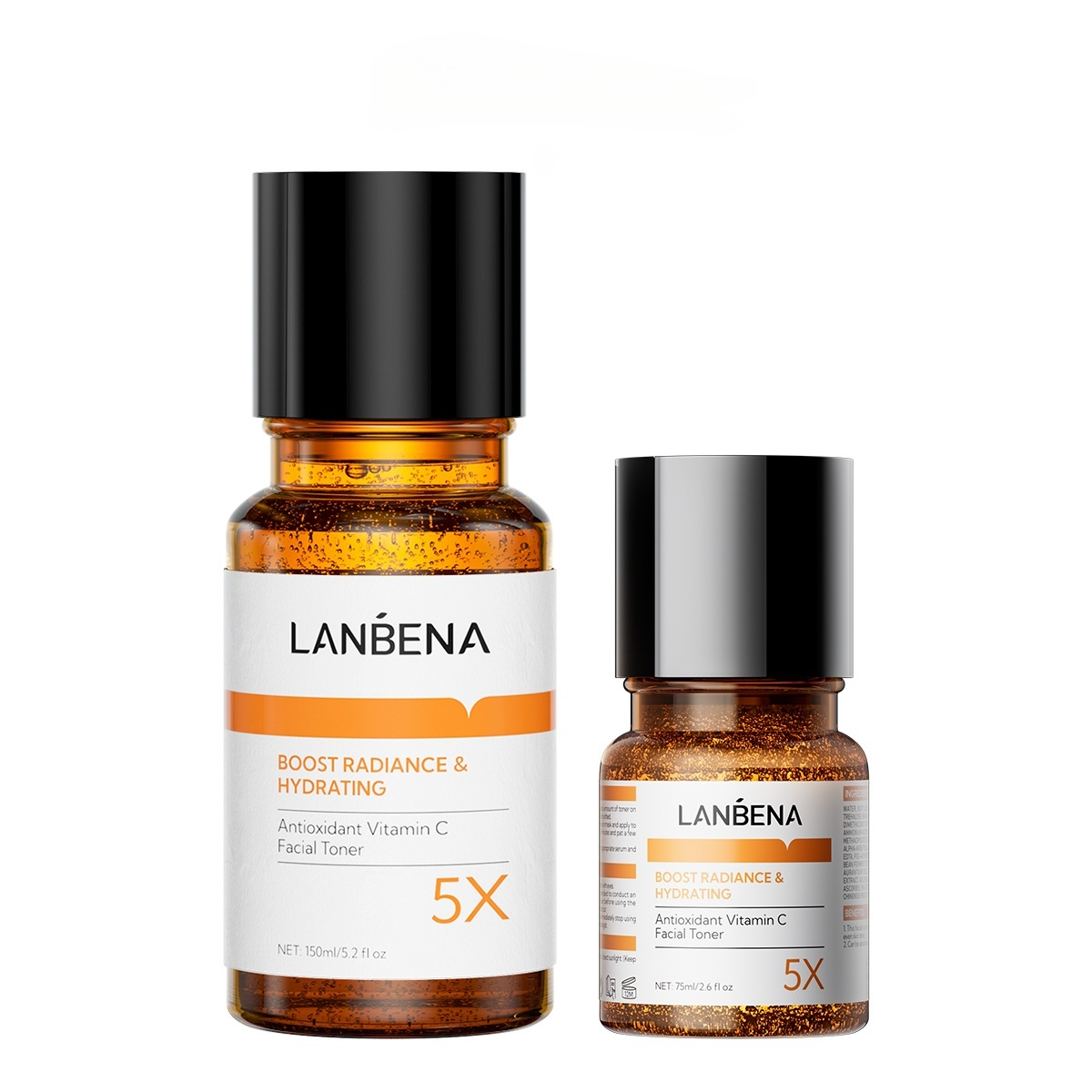
Achieving radiant, glowing skin has become a universal goal, and vitamin C serum has emerged as one of the most celebrated solutions in modern skincare. This powerful antioxidant formulation has revolutionized how we approach skin brightening, offering scientifically-backed benefits that deliver visible results. The popularity of vitamin C serum stems from its ability to address multiple skin concerns simultaneously while providing protective benefits against environmental damage.
The skincare industry has witnessed unprecedented growth in vitamin C serum products, with consumers increasingly seeking evidence-based solutions for their complexion concerns. Understanding the science behind this potent ingredient reveals why dermatologists and skincare experts consistently recommend vitamin C serum as an essential component of any brightening routine. From inhibiting melanin production to stimulating collagen synthesis, this remarkable compound offers comprehensive skin enhancement benefits.
The Science Behind Vitamin C and Skin Brightening
Antioxidant Properties and Free Radical Protection
Vitamin C serum functions as a powerful antioxidant that neutralizes harmful free radicals responsible for skin damage and premature aging. These unstable molecules, generated by UV exposure, pollution, and stress, break down collagen and elastin fibers while triggering inflammatory responses that lead to hyperpigmentation. When applied topically, vitamin C serum creates a protective barrier against these damaging elements while promoting cellular repair processes.
The molecular structure of vitamin C allows it to penetrate deep into the skin layers, where it can effectively combat oxidative stress at the cellular level. This protection is crucial for maintaining skin brightness because free radical damage often manifests as dark spots, uneven skin tone, and dullness. By neutralizing these harmful compounds before they can cause lasting damage, vitamin C serum helps preserve the skin's natural luminosity and prevents future discoloration.
Melanin Inhibition and Tyrosinase Suppression
One of the most significant ways vitamin C serum brightens skin is through its ability to inhibit tyrosinase, the enzyme responsible for melanin production. This process occurs when vitamin C interferes with the copper ions that tyrosinase requires to function properly, effectively reducing the formation of new pigment. This mechanism is particularly beneficial for individuals dealing with age spots, sun damage, or post-inflammatory hyperpigmentation.
Research has demonstrated that consistent use of vitamin C serum can significantly reduce melanin synthesis over time, leading to a more even skin tone and enhanced brightness. The inhibitory effect on tyrosinase also helps prevent the formation of new dark spots, making vitamin C serum both a corrective and preventive treatment for pigmentation issues. This dual action makes it an indispensable tool for achieving and maintaining luminous skin.
Collagen Synthesis and Skin Structure Enhancement
Promoting Natural Collagen Production
Beyond its brightening effects, vitamin C serum plays a crucial role in stimulating collagen production, which directly impacts skin radiance and texture. Collagen serves as the structural foundation of healthy skin, providing the firmness and elasticity that contribute to a youthful, glowing appearance. As we age, natural collagen production decreases, leading to fine lines, wrinkles, and a loss of skin luminosity.
Vitamin C acts as a cofactor in the enzymatic processes required for collagen synthesis, specifically in the hydroxylation of proline and lysine amino acids. This biochemical support ensures that newly formed collagen is stable and functional, contributing to improved skin texture and enhanced light reflection. The result is skin that appears more radiant and youthful, with a natural glow that comes from optimal structural integrity.
Improving Skin Texture and Light Reflection
The relationship between skin texture and brightness is often overlooked, but vitamin C serum addresses both concerns simultaneously. By promoting healthy cell turnover and supporting the skin's natural renewal processes, this powerful ingredient helps smooth rough patches and minimize the appearance of pores. Smoother skin surfaces reflect light more evenly, creating the appearance of enhanced brightness and radiance.
Regular application of vitamin C serum also helps strengthen the skin barrier function, which is essential for maintaining optimal hydration levels. Well-hydrated skin appears plumper and more luminous, while a compromised barrier can lead to dullness and uneven texture. The barrier-strengthening properties of vitamin C contribute to long-term skin health and sustained brightness.
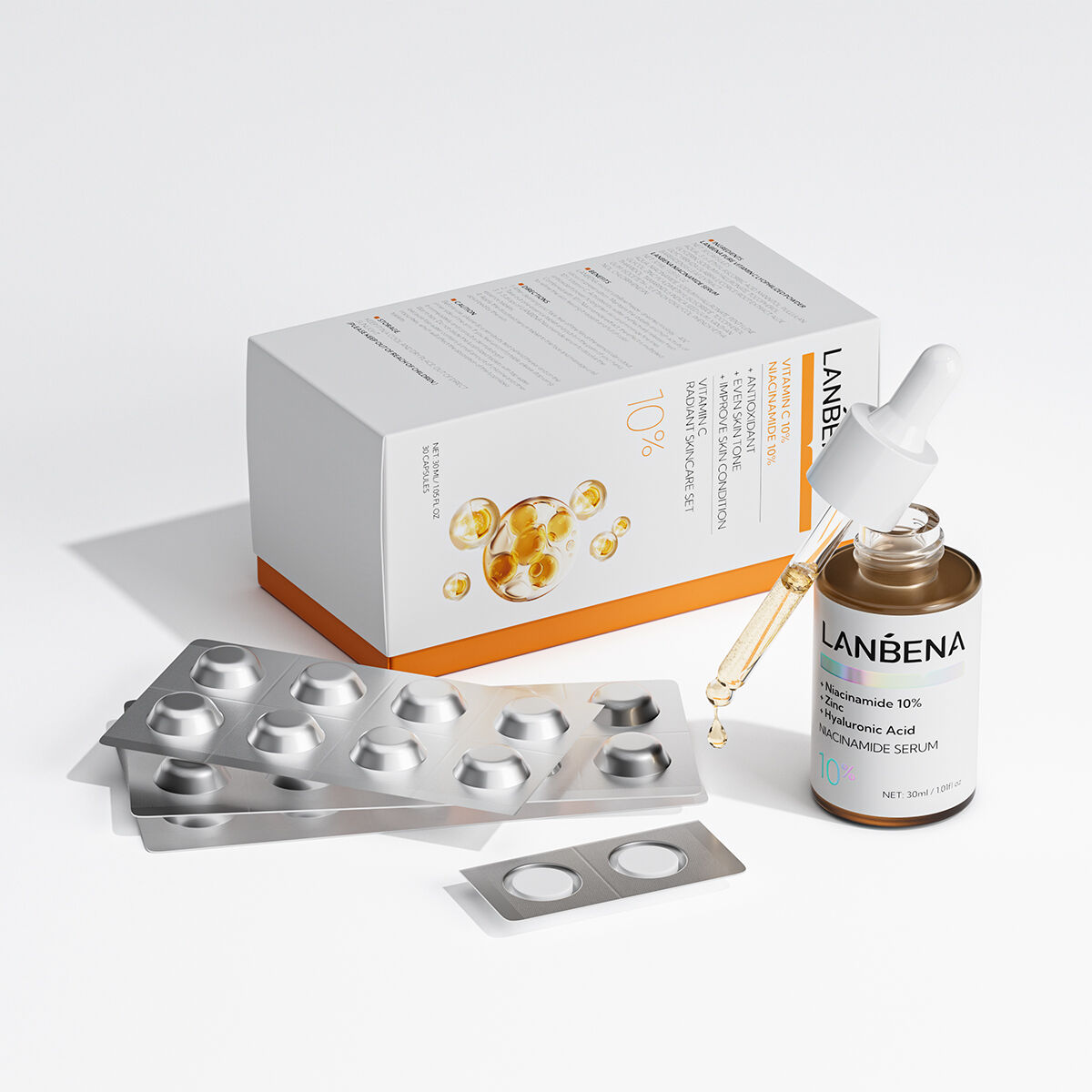
Different Forms of Vitamin C in Skincare
L-Ascorbic Acid and Its Potency
L-ascorbic acid represents the most potent and bioactive form of vitamin C used in skincare formulations. This pure form of vitamin C serum delivers maximum brightening benefits but requires careful formulation to maintain stability and effectiveness. The pH requirements and potential for oxidation make L-ascorbic acid challenging to work with, but when properly formulated, it provides unmatched results for skin brightening and overall complexion improvement.
The direct conversion of L-ascorbic acid to its active form means that skin cells can immediately utilize this ingredient for various metabolic processes. This immediate availability makes L-ascorbic acid particularly effective for addressing acute pigmentation issues and providing rapid brightening results. However, the potency of this form also means that some individuals may experience initial sensitivity, requiring gradual introduction into their skincare routine.
Stable Vitamin C Derivatives and Their Benefits
For individuals with sensitive skin or those seeking gentler alternatives, stable vitamin C derivatives offer excellent brightening benefits with reduced irritation potential. Magnesium ascorbyl phosphate, sodium ascorbyl phosphate, and ascorbyl glucoside are among the most commonly used derivatives in vitamin C serum formulations. These compounds convert to active vitamin C once absorbed by the skin, providing sustained release and prolonged benefits.
The stability advantages of these derivatives allow for more versatile formulations and extended shelf life, making them practical choices for daily use. While they may work more gradually than L-ascorbic acid, vitamin C derivatives still deliver significant brightening results over time. Their gentler nature makes them suitable for all skin types, including those prone to sensitivity or rosacea.
Optimal Application and Usage Guidelines
Morning vs Evening Application Strategies
The timing of vitamin C serum application can significantly impact its effectiveness and the overall results achieved. Morning application is generally preferred because vitamin C provides antioxidant protection against daily environmental stressors, including UV radiation and pollution. This protective function makes morning use ideal for preventing new damage while supporting the skin's natural defense mechanisms throughout the day.
However, some forms of vitamin C serum may increase photosensitivity, making evening application more appropriate for certain individuals or formulations. Evening use allows the skin to focus on repair and regeneration processes without external stressors, potentially enhancing the brightening and restorative effects of vitamin C. The choice between morning and evening application should be based on individual skin sensitivity and the specific formulation being used.
Layering with Other Skincare Ingredients
Proper layering of vitamin C serum with other skincare products is essential for maximizing its brightening benefits while avoiding potential conflicts. The general rule is to apply vitamin C serum after cleansing but before heavier moisturizers or oils, allowing for optimal absorption. The thin consistency of most vitamin C serum formulations makes them ideal for layering under other products without creating heaviness or pilling.
Certain ingredients complement vitamin C serum particularly well, including hyaluronic acid for hydration and niacinamide for additional brightening support. However, some combinations should be approached with caution, such as mixing vitamin C serum with retinoids or alpha hydroxy acids, which may cause irritation in sensitive individuals. Understanding these interactions helps users create effective routines that enhance rather than compromise the benefits of their vitamin C serum.
Clinical Evidence and Research Findings
Peer-Reviewed Studies on Brightening Efficacy
Extensive clinical research has validated the brightening effects of vitamin C serum, with numerous peer-reviewed studies documenting significant improvements in skin luminosity and pigmentation. A landmark study published in the Journal of Clinical and Aesthetic Dermatology found that participants using vitamin C serum daily for 12 weeks experienced a 25% reduction in dark spots and a notable improvement in overall skin radiance. These findings provide scientific support for the widespread claims about vitamin C serum benefits.
Additional research has focused on the comparative effectiveness of different vitamin C concentrations, revealing that formulations containing 10-20% vitamin C demonstrate optimal brightening results without excessive irritation. Studies have also shown that the benefits of vitamin C serum become more pronounced with consistent, long-term use, with maximum results typically observed after 8-12 weeks of regular application. This research underscores the importance of patience and consistency when incorporating vitamin C serum into skincare routines.
Comparative Analysis with Other Brightening Ingredients
When compared to other popular brightening ingredients, vitamin C serum consistently demonstrates superior or equivalent efficacy while offering additional benefits. Research comparing vitamin C serum to hydroquinone, kojic acid, and arbutin has shown that vitamin C provides comparable brightening results with fewer side effects and broader spectrum benefits. The antioxidant properties of vitamin C serum offer protective advantages that many other brightening ingredients lack.
Long-term studies have also revealed that vitamin C serum use leads to cumulative benefits that extend beyond simple brightening. Participants in extended trials showed improvements in skin texture, firmness, and overall complexion quality that were not observed with single-action brightening agents. This comprehensive improvement profile makes vitamin C serum a more valuable investment for individuals seeking holistic skin enhancement rather than targeted spot treatment alone.
Addressing Common Concerns and Misconceptions
Stability and Storage Requirements
One of the most prevalent concerns about vitamin C serum relates to its stability and proper storage requirements. Many users worry about oxidation and the characteristic color changes that can occur when vitamin C serum is exposed to light, air, or heat. While these concerns are valid, proper storage and handling can significantly extend the effectiveness and shelf life of vitamin C serum products.
Modern formulation techniques have greatly improved the stability of vitamin C serum, with many products now featuring airless packaging and stabilizing ingredients that prevent degradation. Storing vitamin C serum in a cool, dark place and ensuring tight closure after each use can maintain potency for extended periods. Some users prefer refrigerated storage, which can further enhance stability while providing a refreshing application experience.
Sensitivity and Gradual Introduction Methods
Another common concern involves potential sensitivity reactions when first introducing vitamin C serum into a skincare routine. While vitamin C is generally well-tolerated, some individuals may experience initial tingling, redness, or mild irritation, particularly with higher concentration formulations. These reactions are typically temporary and can be minimized through proper introduction techniques.
The recommended approach involves starting with lower concentrations of vitamin C serum and gradually increasing frequency and strength as skin tolerance develops. Beginning with every other day application allows skin to adapt while still providing brightening benefits. Most users find that initial sensitivity subsides within one to two weeks of consistent use, after which the full benefits of vitamin C serum can be realized without discomfort.
FAQ
How long does it take to see brightening results from vitamin C serum
Most users begin noticing subtle improvements in skin brightness and radiance within 2-4 weeks of consistent vitamin C serum use. However, significant changes in pigmentation and overall complexion typically become apparent after 6-8 weeks of regular application. For maximum brightening benefits, dermatologists recommend continuing vitamin C serum use for at least 12 weeks, as the cumulative effects become more pronounced with extended use.
Can vitamin C serum be used with other active skincare ingredients
Vitamin C serum can be safely combined with most skincare ingredients when properly layered and introduced gradually. It pairs particularly well with hyaluronic acid, peptides, and niacinamide for enhanced brightening and hydration benefits. However, caution should be exercised when combining vitamin C serum with strong acids like glycolic acid or retinoids, as this combination may increase sensitivity. When in doubt, alternating application times or consulting with a dermatologist can help prevent adverse reactions.
What concentration of vitamin C serum is most effective for brightening
Research suggests that vitamin C serum concentrations between 10-20% provide optimal brightening benefits for most skin types. Beginners should start with 10-15% concentrations to assess tolerance, while experienced users may benefit from higher concentrations up to 20%. Concentrations above 20% do not necessarily provide additional benefits and may increase the risk of irritation without corresponding improvements in brightening efficacy.
Is vitamin C serum suitable for all skin types and tones
Vitamin C serum is generally suitable for all skin types and tones, though individuals with very sensitive skin may need to start with lower concentrations or stable derivatives. People with darker skin tones often see particularly dramatic brightening results from vitamin C serum use, as it effectively addresses post-inflammatory hyperpigmentation and uneven skin tone. However, those with specific skin conditions or allergies should consult with a dermatologist before incorporating vitamin C serum into their routine.