
 EN
EN
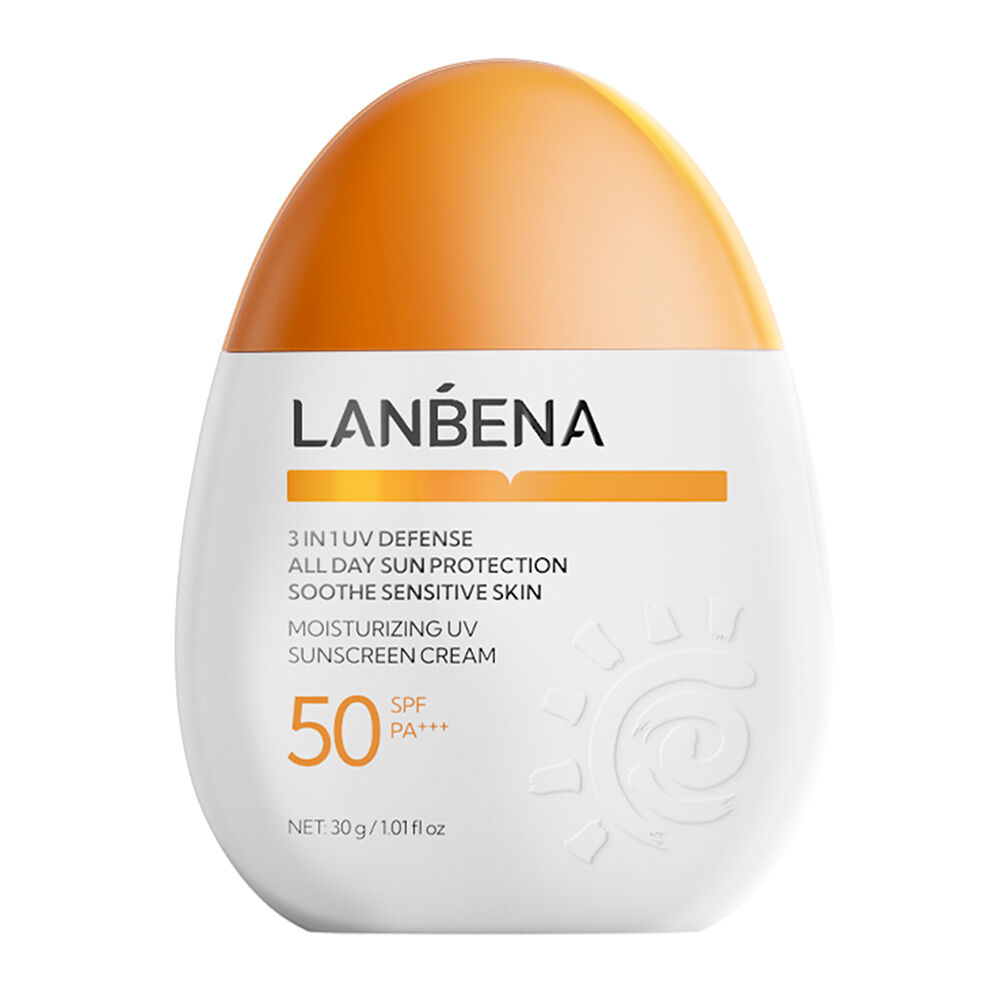
The relationship between sun exposure and skin aging has been extensively documented by dermatologists worldwide. While many people understand that sunscreen protects against sunburn, fewer realize its profound impact on preventing premature aging and dark spots. Modern dermatology has revealed that consistent use of high-quality sunscreen for oily skin can significantly reduce signs of photoaging, including fine lines, wrinkles, and hyperpigmentation. The key lies in understanding how ultraviolet radiation affects different skin types and selecting appropriate protection that doesn't compromise skin health or comfort.
Understanding Photoaging and Its Prevention
The Science Behind Sun-Induced Skin Damage
Photoaging occurs when ultraviolet A and B rays penetrate the skin, causing molecular damage to collagen and elastin fibers. This process accelerates natural aging by breaking down the structural proteins that maintain skin firmness and elasticity. UVA rays, which penetrate deeper into the dermis, are particularly responsible for long-term damage including age spots and wrinkles. UVB rays primarily affect the epidermis, causing immediate damage like sunburn but also contributing to cumulative skin damage over time.
Research published in dermatological journals demonstrates that approximately 80% of visible facial aging results from sun exposure rather than chronological aging. This finding underscores the critical importance of daily sun protection, particularly for individuals with oily skin who may avoid sunscreen due to concerns about clogged pores or increased shine. Advanced formulations now address these concerns while providing comprehensive protection against both aging and dark spot formation.
Mechanisms of Dark Spot Formation
Dark spots, medically known as solar lentigines or age spots, develop through a complex process involving melanocyte stimulation and irregular melanin distribution. When UV radiation strikes the skin, it triggers an inflammatory response that stimulates melanocytes to produce excess melanin as a protective mechanism. However, this protection comes at the cost of uneven pigmentation, particularly in areas frequently exposed to sunlight such as the face, hands, and shoulders.
The prevention of dark spots requires consistent broad-spectrum protection that blocks both UVA and UVB radiation. Quality sunscreen for oily skin formulations incorporate zinc oxide or titanium dioxide alongside chemical filters to create a comprehensive barrier against harmful radiation. These ingredients work synergistically to reflect and absorb UV rays before they can trigger the melanin overproduction that leads to hyperpigmentation and uneven skin tone.
Selecting Effective Sunscreen for Different Skin Types
Formulation Considerations for Oily Skin
Individuals with oily skin face unique challenges when selecting appropriate sun protection, as traditional sunscreens may exacerbate shine, clog pores, or feel heavy and uncomfortable. Modern sunscreen technology has evolved to address these concerns through lightweight, non-comedogenic formulations that provide superior protection without compromising skin comfort. Oil-free bases, mattifying agents, and advanced delivery systems ensure that sunscreen for oily skin can be worn daily without negative aesthetic effects.
The most effective formulations for oily skin types combine broad-spectrum protection with sebum-controlling ingredients and lightweight textures. Zinc oxide and titanium dioxide serve as excellent options for sensitive or acne-prone skin, as they provide physical protection without causing irritation or breakouts. Chemical sunscreens containing avobenzone, octinoxate, or newer ingredients like bemotrizinol offer elegant textures while maintaining high protection factors essential for preventing photoaging and dark spots.
SPF Requirements and Application Guidelines
The Sun Protection Factor rating system provides consumers with standardized information about a product's ability to prevent UV-induced damage. For effective anti-aging and dark spot prevention, dermatologists recommend minimum SPF 30 protection, with SPF 50 offering enhanced benefits for individuals with fair skin or extensive sun exposure. However, the SPF rating only measures UVB protection, making broad-spectrum certification equally important for comprehensive photoaging prevention.
Proper application technique significantly impacts sunscreen effectiveness, regardless of the chosen SPF level. Adults require approximately one-quarter teaspoon of sunscreen for oily skin to adequately cover the face and neck area. Application should occur 15-30 minutes before sun exposure to allow proper binding to the skin surface. Reapplication every two hours, or more frequently during swimming or sweating, maintains optimal protection throughout the day.
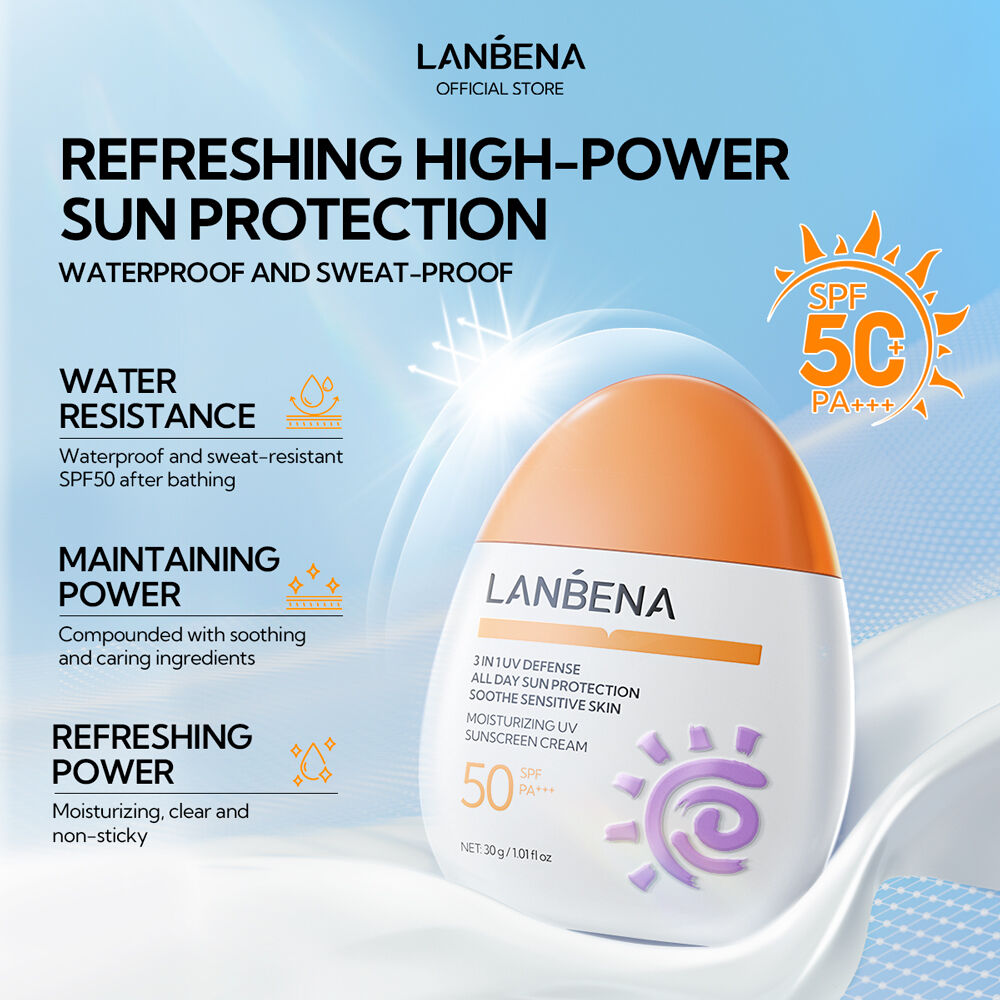
Long-Term Benefits of Consistent Sun Protection
Documented Anti-Aging Effects
Clinical studies tracking sunscreen users over extended periods reveal remarkable differences in skin aging patterns compared to non-users. Participants who used daily broad-spectrum protection showed significantly less development of fine lines, wrinkles, and skin texture changes over multi-year observation periods. These findings demonstrate that consistent use of quality sunscreen for oily skin can effectively slow the visible signs of aging when incorporated into daily skincare routines.
The anti-aging benefits extend beyond wrinkle prevention to include maintenance of skin tone evenness and texture smoothness. Regular sunscreen application prevents the cumulative damage that leads to leathery skin texture, enlarged pores, and loss of skin elasticity. These protective effects become increasingly apparent with age, as individuals who maintained consistent sun protection habits throughout their lives display markedly younger-appearing skin compared to their chronological age.
Prevention of Hyperpigmentation Disorders
Beyond preventing new dark spots, consistent sunscreen use helps stabilize existing pigmentation irregularities and prevents their progression. Many individuals notice that existing age spots become less prominent when protected from further UV exposure, as the skin's natural renewal process gradually replaces damaged cells with healthier tissue. This improvement occurs more rapidly when sunscreen protection is combined with other evidence-based treatments for hyperpigmentation.
The prevention of melasma, a common pigmentation disorder affecting women, particularly demonstrates the importance of reliable sun protection. This condition, often triggered by hormonal changes, can be significantly worsened by UV exposure, making daily use of sunscreen for oily skin essential for management and prevention of progression. Advanced formulations provide the consistent protection necessary to maintain treatment results and prevent recurrence.
Integration with Daily Skincare Routines
Compatibility with Other Skincare Products
Modern sunscreen formulations are designed to work seamlessly with existing skincare routines, including serums, moisturizers, and active ingredients commonly used for anti-aging purposes. The key to successful integration lies in understanding proper layering techniques and selecting products with compatible formulations. Water-based sunscreens typically layer well over serums and under makeup, while cream-based formulations may serve as the final step in morning routines.
Compatibility with active ingredients such as retinoids, vitamin C, and alpha hydroxy acids requires careful consideration of timing and formulation pH levels. Many individuals using these potent anti-aging ingredients actually have increased photosensitivity, making consistent sunscreen for oily skin application even more critical for preventing adverse reactions and maintaining treatment benefits. Professional guidance can help optimize product combinations for maximum efficacy and safety.
Seasonal and Environmental Adaptations
Effective sun protection strategies must account for varying environmental conditions throughout the year, as UV exposure levels change with seasons, altitude, and geographic location. Winter months still require daily sunscreen application, particularly in areas with snow reflection or high altitude exposure. Cloud cover provides minimal UV protection, with up to 80% of harmful rays penetrating typical cloud formations.
Environmental factors such as pollution, humidity, and temperature extremes may influence sunscreen selection and application frequency. Urban environments with high pollution levels may benefit from antioxidant-enhanced formulations that provide additional protection against environmental stressors. Humid climates may require more frequent reapplication of sunscreen for oily skin, while dry conditions might necessitate formulations with additional moisturizing components to prevent skin barrier compromise.
FAQ
How quickly can sunscreen prevent new dark spots from forming
Consistent daily use of broad-spectrum sunscreen can begin preventing new dark spot formation immediately upon application. However, visible improvements in existing spots and overall skin tone may take 3-6 months of consistent use, as this timeframe allows for natural skin cell turnover and renewal. The key is maintaining daily application regardless of weather conditions or season, as UV rays can cause damage even on cloudy days.
Can sunscreen alone reverse existing signs of aging
While sunscreen for oily skin is highly effective at preventing further damage, it typically cannot reverse existing wrinkles, deep age spots, or significant photoaging on its own. However, it plays a crucial role in stabilizing current damage and preventing progression while other treatments work to improve existing concerns. Combining sunscreen with proven anti-aging ingredients like retinoids, vitamin C, or professional treatments yields the best results for addressing established signs of aging.
What SPF level is necessary for effective anti-aging protection
Dermatologists recommend minimum SPF 30 for daily anti-aging protection, with SPF 50 providing additional benefits for individuals with fair skin or extensive outdoor exposure. The difference between SPF 30 and higher ratings becomes less significant with proper application and reapplication habits. More important than the exact SPF number is choosing a broad-spectrum formula that protects against both UVA and UVB rays, as both contribute to photoaging and dark spot formation.
How does oily skin affect sunscreen effectiveness and application
Oily skin can actually provide some natural protection against UV damage due to increased sebum production, but this minimal protection is insufficient for preventing photoaging and dark spots. The main challenge lies in finding formulations that don't exacerbate oiliness or cause breakouts. Modern sunscreen for oily skin formulations address these concerns through oil-free bases, mattifying ingredients, and non-comedogenic formulations that maintain protection without compromising skin comfort or appearance.