
 EN
EN
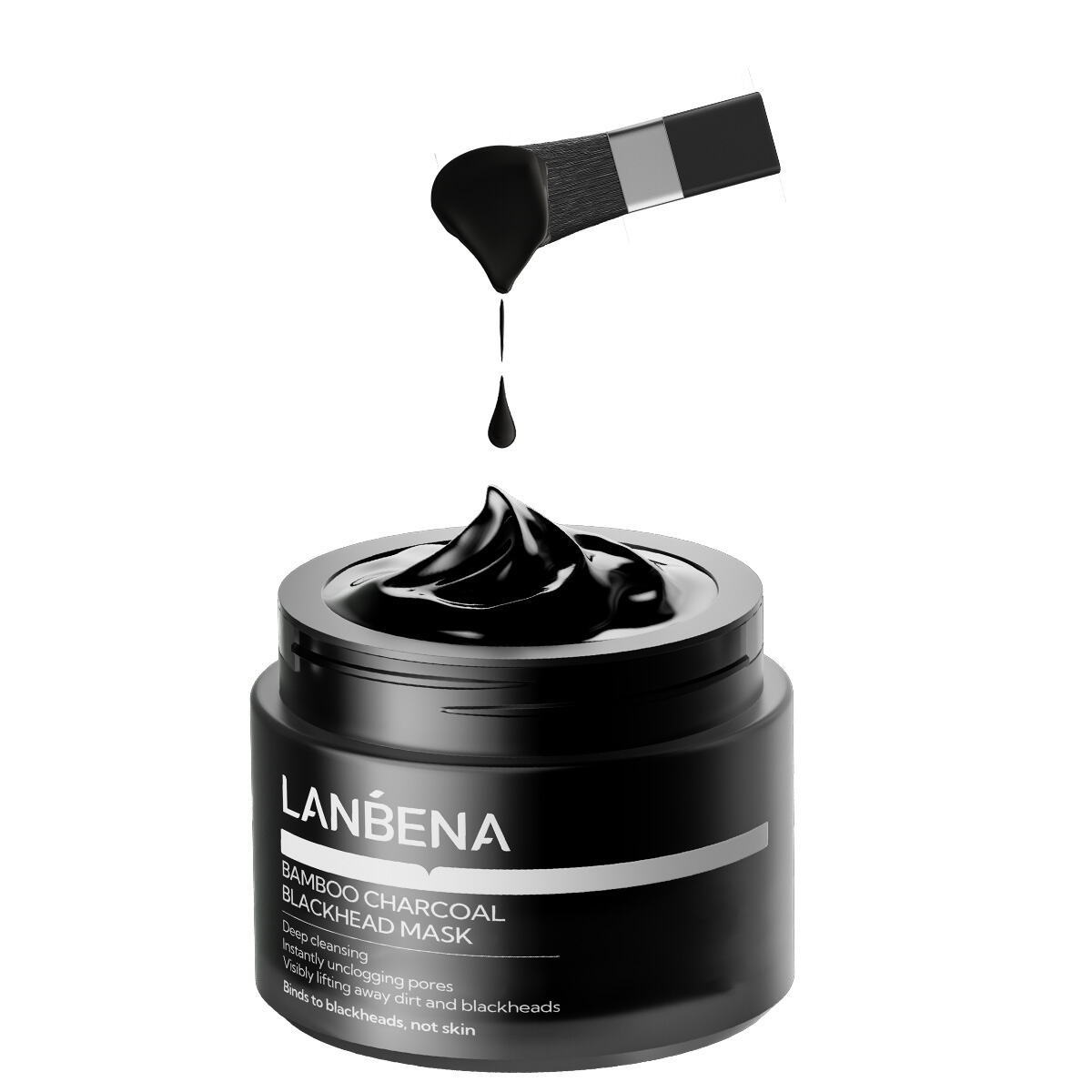
Selecting the appropriate nose strips for your unique skin characteristics can significantly impact your skincare routine's effectiveness and overall complexion health. With numerous options available in today's beauty market, understanding how different formulations interact with various skin types becomes essential for achieving optimal results. The right choice of nose strips can help remove blackheads, unclog pores, and improve skin texture without causing irritation or adverse reactions that might compromise your skin's natural barrier function.
Understanding your skin's specific needs and characteristics forms the foundation of any successful skincare approach. Different skin types respond uniquely to various ingredients and treatment methods, making personalized selection crucial for achieving desired outcomes. Professional dermatologists consistently emphasize the importance of matching product formulations to individual skin profiles to maximize benefits while minimizing potential complications or unwanted side effects.
Understanding Different Skin Types and Their Characteristics
Identifying Oily Skin Properties
Oily skin typically exhibits enlarged pores, excessive sebum production, and a characteristic shine throughout the day, particularly in the T-zone area. Individuals with this skin type often struggle with frequent blackhead formation, making regular use of nose strips an effective maintenance strategy. The robust nature of oily skin generally tolerates stronger formulations and more frequent treatments without experiencing significant irritation or sensitivity reactions.
People with oily skin can benefit from nose strips containing salicylic acid or charcoal-based ingredients that effectively dissolve sebum buildup and extract stubborn blackheads. The natural resilience of oily skin allows for weekly or bi-weekly treatment schedules without compromising the skin's protective barrier. However, even oily skin requires proper moisturization following treatment to maintain optimal hydration levels and prevent overproduction of sebum as a compensatory response.
Recognizing Sensitive Skin Indicators
Sensitive skin manifests through various symptoms including redness, burning sensations, itching, or stinging when exposed to certain ingredients or environmental factors. This skin type requires gentle formulations with minimal harsh chemicals or strong adhesives that might trigger inflammatory responses. Individuals with sensitive skin should prioritize nose strips made with natural ingredients and hypoallergenic formulations specifically designed for reactive skin conditions.
The selection process for sensitive skin involves careful ingredient analysis and patch testing before full application. Gentle extraction methods using hydrocolloid-based or clay-infused nose strips often provide effective results without causing excessive irritation. Frequency of use should be limited to once weekly or less, depending on individual tolerance levels and skin response patterns observed during initial treatment phases.
Dry Skin Considerations
Dry skin characteristics include tightness, flaking, and reduced sebum production, which can make traditional nose strips feel overly harsh or uncomfortable during removal. This skin type benefits from moisturizing nose strips that incorporate hydrating ingredients like hyaluronic acid or glycerin to prevent further moisture loss. The delicate nature of dry skin requires careful attention to application and removal techniques to avoid damaging the skin's already compromised barrier function.
Preparation becomes particularly important for dry skin types, often requiring pre-treatment with gentle steaming or warm compresses to soften blackheads and facilitate easier extraction. Post-treatment care should include immediate application of moisturizing serums or creams to replenish lost hydration and support skin recovery. Limiting use to once every two weeks helps maintain skin health while still addressing blackhead concerns effectively.
Key Ingredients to Look for in Quality Nose Strips
Natural Extraction Components
Charcoal has gained significant popularity in skincare formulations due to its exceptional absorption properties and ability to draw out impurities from deep within pores. This natural ingredient works by attracting sebum, dirt, and dead skin cells through its porous structure, making it particularly effective for individuals dealing with stubborn blackheads. Quality nose strips often incorporate activated charcoal alongside other complementary ingredients to enhance overall effectiveness while maintaining skin safety standards.
Clay-based ingredients, particularly bentonite and kaolin clay, offer gentle yet effective extraction capabilities suitable for various skin types. These natural minerals possess unique molecular structures that enable them to absorb excess oils while providing mild exfoliation benefits. The versatility of clay-based formulations makes them excellent choices for individuals seeking effective blackhead removal without the harshness associated with some synthetic alternatives.
Moisturizing and Soothing Additives
Hyaluronic acid serves as a powerful humectant that helps maintain skin hydration during and after nose strip treatments. This ingredient can hold up to 1000 times its weight in water, providing sustained moisture delivery to treated areas. Incorporating hyaluronic acid in nose strips helps prevent the dryness and tightness often associated with traditional pore extraction methods, making treatments more comfortable for users with dry or sensitive skin types.
Aloe vera and chamomile extracts provide anti-inflammatory properties that help soothe skin during the extraction process and promote faster recovery afterward. These natural ingredients reduce redness and irritation while supporting the skin's natural healing mechanisms. The inclusion of such soothing components makes nose strips more suitable for regular use and helps maintain overall skin health throughout treatment regimens.
Application Techniques for Maximum Effectiveness
Proper Preparation Methods
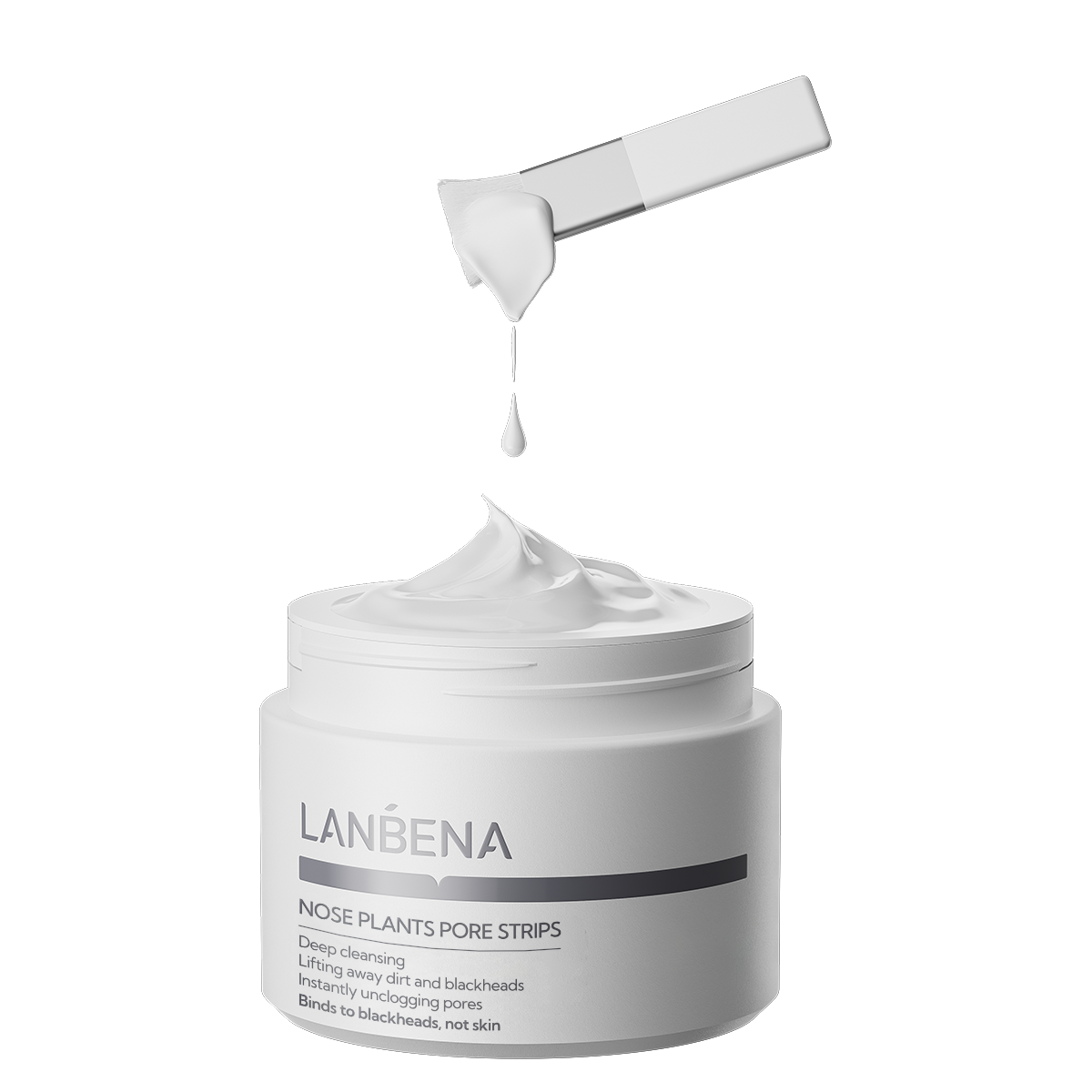
Effective nose strip application begins with thorough skin preparation to ensure optimal adhesion and extraction results. Cleansing the nose area with a gentle, oil-free cleanser removes surface impurities and excess sebum that might interfere with strip adhesion. Following cleansing, applying warm water or using a facial steamer for 3-5 minutes helps open pores and soften blackheads, facilitating easier extraction during the treatment process.
The skin should be damp but not soaking wet when applying nose strips for optimal adhesion and effectiveness. Excess water can prevent proper bonding between the strip and skin surface, reducing extraction capabilities. Patting the nose area with a clean towel to remove excess moisture while maintaining slight dampness creates ideal conditions for strip application and subsequent removal processes.
Strategic Placement and Timing
Proper positioning of nose strips requires careful attention to anatomical contours and problem areas where blackheads typically accumulate. The strip should cover the entire nose bridge and extend slightly onto the sides where pore concentration tends to be highest. Smooth application without air bubbles ensures even contact across all treated surfaces, maximizing extraction potential and preventing uneven results.
Timing plays a crucial role in nose strip effectiveness, with most products requiring 10-15 minutes of contact time for optimal results. Removing strips too early reduces extraction effectiveness, while leaving them on too long can cause skin irritation or difficulty during removal. Monitoring skin response during treatment helps determine the ideal timing for individual skin types and ensures safe, effective use of nose strips in regular skincare routines.
Frequency Guidelines and Safety Considerations
Establishing Appropriate Usage Schedules
The frequency of nose strip usage depends heavily on individual skin type, tolerance levels, and the specific formulation being used. Oily skin types can typically tolerate more frequent treatments, potentially using nose strips once or twice weekly without adverse effects. However, sensitive or dry skin types should limit usage to once every two weeks or less to prevent irritation and maintain healthy skin barrier function throughout treatment periods.
Monitoring skin response after each treatment provides valuable insights into optimal frequency adjustments for individual needs. Signs of overuse include persistent redness, increased sensitivity, or excessive dryness that doesn't resolve within 24-48 hours post-treatment. Adjusting frequency based on these observations ensures long-term skin health while maintaining effective blackhead management through strategic nose strip application.
Recognizing Warning Signs
Understanding potential adverse reactions helps users identify when to discontinue or modify their nose strip routine for safety reasons. Common warning signs include persistent burning sensations, severe redness lasting more than a few hours, or the development of small wounds or abrasions during removal. These symptoms indicate that the current product or application method may be too harsh for the individual's skin type.
Allergic reactions to nose strips can manifest through various symptoms including hives, excessive swelling, or widespread irritation beyond the treatment area. Immediate discontinuation and consultation with dermatological professionals becomes necessary when experiencing severe reactions. Patch testing new products on a small skin area before full application helps identify potential sensitivities and prevents adverse reactions during regular use.
Post-Treatment Care and Maintenance
Immediate Aftercare Protocols
Proper aftercare following nose strip treatments significantly impacts both immediate comfort and long-term skin health outcomes. Immediately after removal, gentle cleansing with cool water helps remove any residual adhesive or extracted material from the skin surface. Avoiding harsh scrubbing or aggressive cleansing prevents further irritation to the temporarily sensitized treatment area, promoting faster recovery and reducing discomfort.
Application of a gentle, alcohol-free toner helps restore the skin's natural pH balance while providing additional cleansing benefits. Following toner application, a lightweight, non-comedogenic moisturizer helps replenish hydration and support the skin's barrier repair process. This systematic approach to aftercare ensures optimal recovery while maintaining the benefits achieved through nose strip treatment sessions.
Long-term Maintenance Strategies
Developing a comprehensive skincare routine that complements nose strip treatments helps maintain clear pores and prevents rapid blackhead reformation. Regular use of gentle exfoliating products containing salicylic acid or other beta-hydroxy acids helps keep pores clear between treatments. Consistent daily cleansing with appropriate products for your skin type provides the foundation for long-term pore health and reduces the frequency needed for intensive treatments like nose strips.
Incorporating weekly clay masks or gentle enzyme treatments can extend the benefits of nose strips while providing additional pore-refining benefits. These complementary treatments work synergistically with periodic nose strip use to maintain optimal skin clarity and texture. Regular assessment and adjustment of maintenance routines ensure continued effectiveness while adapting to changing skin needs over time.
FAQ
How often should I use nose strips based on my skin type
The frequency of nose strip usage varies significantly depending on your skin type and individual tolerance levels. Oily skin types can typically handle nose strips once or twice per week due to their natural resilience and higher sebum production. Normal skin should limit usage to once weekly to maintain balance, while sensitive or dry skin types should use nose strips no more than once every two weeks to prevent irritation and maintain healthy barrier function.
Can nose strips cause permanent damage to my skin
When used properly and with appropriate frequency, nose strips generally do not cause permanent skin damage. However, overuse or improper removal techniques can lead to temporary issues such as broken capillaries, persistent redness, or skin sensitivity. The key to safe usage involves following manufacturer instructions, using products appropriate for your skin type, and monitoring your skin's response to adjust frequency as needed. If you experience persistent adverse effects, discontinue use and consult a dermatologist.
What should I do if my skin becomes irritated after using nose strips
If irritation occurs after using nose strips, immediately discontinue use and focus on gentle skincare practices to support healing. Apply cool compresses to reduce inflammation, use gentle, fragrance-free moisturizers to restore barrier function, and avoid other active ingredients until irritation subsides. If symptoms persist beyond 48 hours or worsen, consider consulting a dermatologist for professional evaluation and treatment recommendations.
Are there natural alternatives to commercial nose strips
Several natural alternatives can provide similar benefits to commercial nose strips, including DIY clay masks using bentonite or kaolin clay mixed with water or apple cider vinegar. Egg white masks, when applied and allowed to dry completely, can also help extract blackheads naturally. Oil cleansing followed by gentle massage can dissolve sebum buildup, while regular steam treatments help soften blackheads for easier manual extraction. However, these methods may require more time and patience compared to commercial nose strips designed for quick, effective results.