
 EN
EN
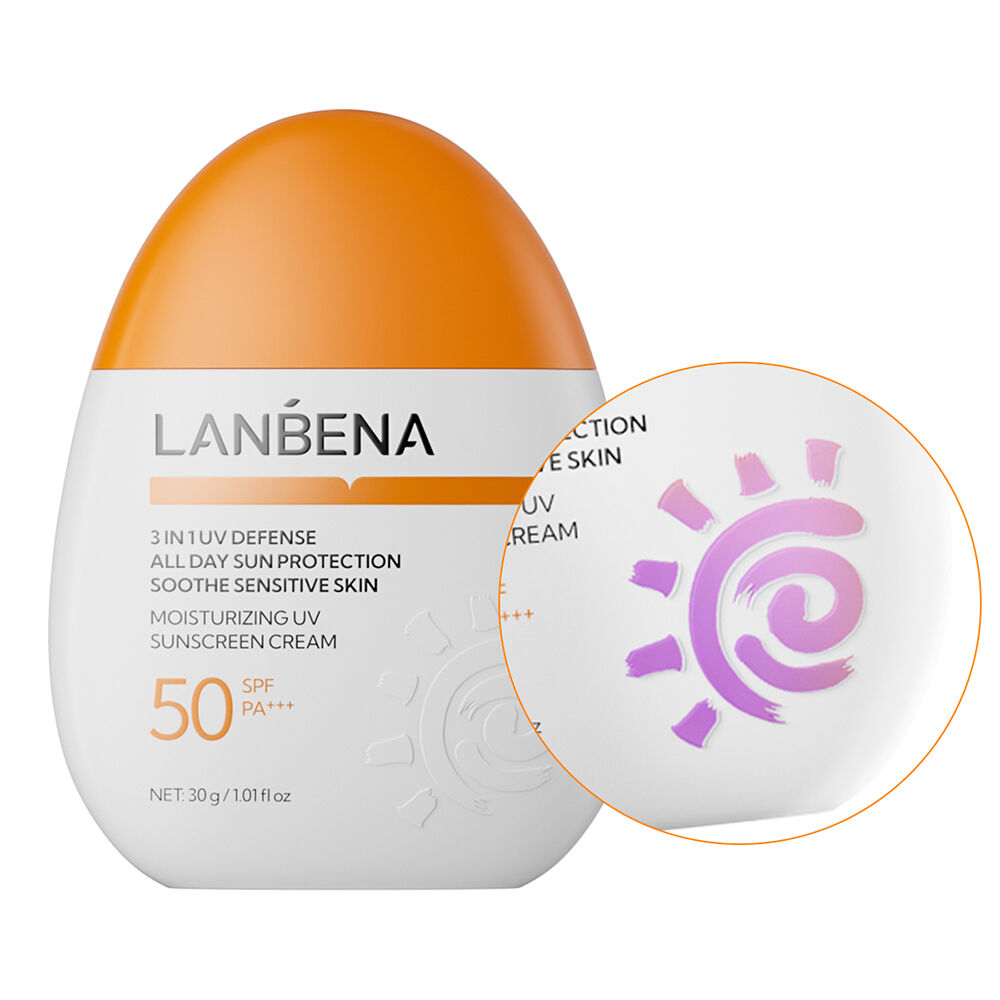
When it comes to sun protection, many people wonder whether they can use the same sunscreen product for both their face and body, or if specialized formulations are truly necessary. The reality is that face and body sunscreens are formulated with distinct characteristics to address the unique needs of different skin areas. Understanding these differences can help you make informed decisions about your sun protection routine and ensure optimal coverage for your entire body. While both types of sunscreen serve the fundamental purpose of blocking harmful UV rays, their specific formulations, textures, and ingredients are carefully tailored to work best on their intended application areas.
Formulation Differences Between Facial and Body Sunscreens
Ingredient Concentration and Chemical Composition
The primary distinction between facial and body sunscreens lies in their chemical formulation and active ingredient concentrations. Facial sunscreens typically contain lower concentrations of chemical UV filters and often rely more heavily on physical blockers like zinc oxide and titanium dioxide. These mineral-based ingredients are gentler on sensitive facial skin and less likely to cause irritation or breakouts. Body sunscreens, conversely, may contain higher concentrations of chemical filters such as avobenzone, octinoxate, or oxybenzone to provide robust protection across larger surface areas.
The inactive ingredients also differ significantly between these two product categories. Facial formulations often include specialized moisturizers, antioxidants like vitamin C or E, and anti-aging compounds to address the specific concerns of facial skin. Body sunscreens focus more on water resistance, long-lasting coverage, and ingredients that can withstand physical activity and environmental exposure without compromising protection levels.
Texture and Absorption Properties
Texture plays a crucial role in determining the appropriateness of sunscreen for different body areas. Facial sunscreens are formulated to be lightweight, non-greasy, and quick-absorbing to work well under makeup and daily skincare routines. They often have a more refined, silky texture that doesn't leave a heavy residue or interfere with other cosmetic products. This careful attention to texture ensures that users will consistently apply and reapply facial sunscreen throughout the day.
Body sunscreens, while still designed for comfortable wear, prioritize coverage and durability over cosmetic elegance. They may have a slightly thicker consistency that provides better water resistance and longer-lasting protection during outdoor activities. The formulation allows for easier application over large surface areas while maintaining adequate coverage density for effective UV protection.
Skin Sensitivity and Compatibility Considerations
Facial Skin Characteristics and Requirements
Facial skin is significantly more delicate and sensitive than body skin, requiring specialized care and gentler formulations. The skin on the face is thinner, more prone to irritation, and often exhibits different oil production patterns that must be considered in sunscreen development. Face and body sunscreens are formulated with these differences in mind to prevent adverse reactions while maintaining effective protection.
Facial sunscreens undergo more rigorous testing for comedogenicity, meaning they're specifically evaluated to ensure they won't clog pores or contribute to acne formation. They're also tested for compatibility with sensitive areas around the eyes and lips, where absorption and potential irritation risks are heightened. These specialized formulations often include soothing ingredients like aloe vera, chamomile, or niacinamide to calm and protect sensitive facial skin.
Body Skin Durability and Protection Needs
Body skin is generally thicker, more resilient, and better able to tolerate stronger formulations and higher concentrations of active ingredients. This increased durability allows body sunscreens to incorporate more robust protection mechanisms without causing irritation or discomfort. The larger surface area of the body also requires formulations that can be applied efficiently and economically while maintaining consistent coverage.
Body sunscreens are designed to withstand more challenging conditions, including prolonged sun exposure, sweating, swimming, and physical activity. They often include enhanced water-resistance properties and longer-lasting formulations that don't require as frequent reapplication as facial products, making them more practical for extended outdoor activities and sports.
Application Methods and Coverage Requirements
Precision Application for Facial Areas
Applying sunscreen to the face requires precision and careful attention to ensure complete coverage without interfering with daily routines or makeup application. Facial sunscreens are designed to integrate seamlessly into skincare regimens, often serving dual purposes as moisturizers or makeup primers. The application technique for facial sunscreen involves using approximately a quarter-teaspoon amount for the entire face and neck area, with special attention to often-missed areas like the hairline, ears, and around the eyes.
The timing of facial sunscreen application is also critical, as it must be coordinated with other skincare products and cosmetics. Most facial sunscreens are formulated to work well as a final step in morning skincare routines, creating a protective barrier that doesn't interfere with subsequent makeup application or cause pilling or separation of products.
Efficient Coverage for Larger Body Areas
Body sunscreen application focuses on achieving comprehensive coverage across large surface areas efficiently and economically. The recommended amount for full-body application is approximately one ounce (30ml) for an average adult, requiring formulations that spread easily and provide uniform protection. Body sunscreens are designed to be applied in larger quantities without feeling heavy or uncomfortable on the skin.
The application process for body sunscreens emphasizes speed and thoroughness, with formulations that blend easily and don't require extensive rubbing or blending. This efficiency is particularly important for families with children or individuals engaging in outdoor activities where quick, effective application is essential for maintaining protection schedules.
Performance and Protection Effectiveness
SPF Ratings and UV Protection Standards
Both facial and body sunscreens must meet the same SPF rating standards and UV protection requirements, but they may achieve these standards through different formulation approaches. The SPF (Sun Protection Factor) rating indicates the level of UVB protection provided, while broad-spectrum formulations also protect against UVA rays that contribute to premature aging and skin damage.
Facial sunscreens often achieve high SPF ratings while maintaining lightweight textures through the use of advanced UV filter technologies and sophisticated formulation techniques. Body sunscreens may rely on higher concentrations of traditional UV filters to achieve similar protection levels, as the tolerance for heavier textures is generally higher for body application.
Water Resistance and Longevity Factors
Water resistance requirements differ between face and body sunscreens based on their intended use patterns and exposure conditions. Body sunscreens typically offer higher water resistance ratings (40 or 80 minutes) to accommodate swimming, sports, and perspiration during physical activities. This enhanced durability comes from specialized polymers and film-forming ingredients that create long-lasting protective barriers on the skin.
Facial sunscreens may prioritize different performance characteristics, such as makeup compatibility and comfortable long-term wear, over maximum water resistance. However, many modern facial formulations still provide adequate water resistance for daily activities while maintaining their cosmetic benefits and skin compatibility.
Cost Considerations and Product Selection
Economic Factors in Sunscreen Choice
The cost difference between facial and body sunscreens often reflects the specialized formulation requirements and smaller package sizes typical of facial products. Face and body sunscreens require different investment levels, with facial products generally commanding higher per-ounce pricing due to their sophisticated formulations and specialized testing requirements. However, the smaller application area for facial products means that a single container typically lasts longer than body sunscreen products.
When considering cost-effectiveness, it's important to evaluate the long-term value of using appropriate products for each application area rather than attempting to use a single product for both purposes. The potential skin health benefits and improved user compliance with properly formulated products often justify the additional investment in specialized formulations.
Selecting Appropriate Products for Individual Needs
Choosing the right sunscreen products involves considering individual skin types, lifestyle factors, and specific protection needs for both facial and body areas. Factors such as skin sensitivity, activity levels, climate conditions, and personal preferences all influence the optimal product selection for comprehensive sun protection.
Professional dermatologists often recommend maintaining separate facial and body sunscreen products to ensure optimal protection and user satisfaction. This approach allows individuals to select formulations that address their specific needs for each application area while maintaining consistent daily sun protection habits.
FAQ
Can I use body sunscreen on my face if I run out of facial sunscreen
While body sunscreen can provide temporary UV protection for facial skin, it's not ideal for regular use due to potential pore-clogging ingredients and heavier textures that may cause breakouts or irritation. Body sunscreens are formulated for less sensitive skin and may contain ingredients that are too harsh for delicate facial areas. If you must use body sunscreen on your face occasionally, choose a gentle, broad-spectrum formula and monitor for any adverse reactions.
Why do facial sunscreens cost more than body sunscreens
Facial sunscreens typically cost more due to their sophisticated formulations, specialized testing requirements, and premium ingredients designed for sensitive facial skin. These products undergo extensive testing for comedogenicity, eye irritation, and compatibility with cosmetics, which increases development and production costs. Additionally, facial sunscreens often contain expensive active ingredients like antioxidants and anti-aging compounds that justify higher pricing compared to standard body formulations.
How often should I reapply facial versus body sunscreen
Both facial and body sunscreens should be reapplied every two hours during sun exposure, or more frequently if swimming, sweating, or toweling off. However, facial reapplication can be more challenging due to makeup and may require specialized reapplication products like powder sunscreens or setting sprays. Body sunscreen reapplication is generally more straightforward but requires attention to ensure complete coverage of all exposed areas.
Are there any ingredients I should avoid in facial sunscreens
Individuals with sensitive facial skin should be cautious of chemical UV filters like oxybenzone, octinoxate, or avobenzone, which can cause irritation or allergic reactions in some people. Fragrances, alcohol-based ingredients, and certain preservatives may also trigger sensitivities in facial applications. Physical sunscreens containing zinc oxide or titanium dioxide are generally considered gentler options for sensitive facial skin, though they may leave a slight white cast that some users find cosmetically unacceptable.