
 EN
EN
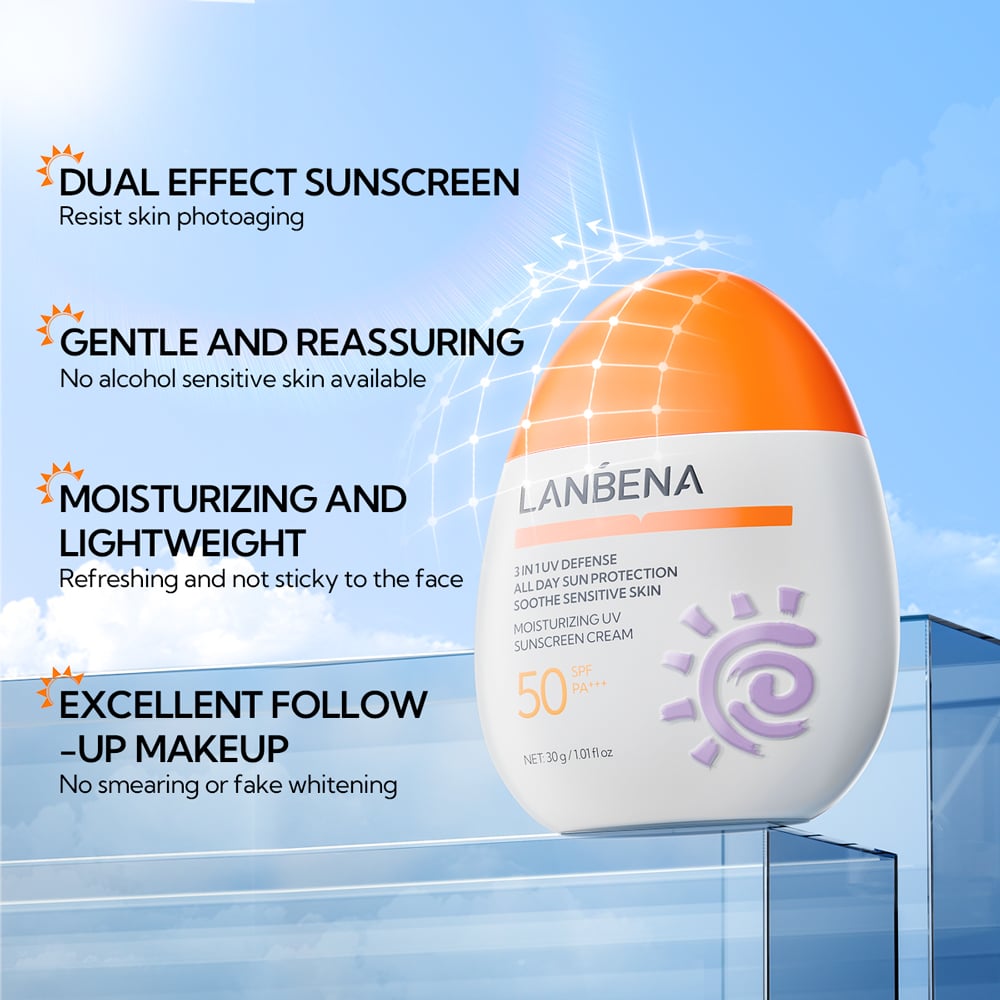
Most people reach for their sunscreen only when stepping onto a sunny beach or preparing for a day outdoors in peak summer heat. But dermatologists and skin care professionals consistently point out that this habit leaves skin exposed to UV damage far more often than most people realize. The question of whether you truly need sunscreen indoors and on cloudy days is one that deserves a clear, evidence-based answer — and that answer is a firm yes.
Understanding why daily sunscreen application matters — even when you are sitting by a window or walking under an overcast sky — requires a closer look at how UV radiation actually behaves. Once you understand the science, making sunscreen part of your everyday routine becomes a logical and easy decision rather than an optional extra step.
How UV Radiation Reaches You Indoors
UVA Rays and Window Glass
Standard window glass blocks most UVB rays, which are the rays primarily responsible for sunburn. However, glass does very little to stop UVA rays. UVA radiation penetrates deeply into the skin, breaking down collagen, accelerating premature aging, and contributing to long-term skin damage. This means that sitting near a window at your desk, riding in a car, or spending time in a glass-fronted office exposes your skin to significant UVA radiation without you ever stepping outside. Applying sunscreen each morning before your indoor workday is a genuinely protective measure, not an overcautious habit.
Artificial Light and Blue Light Exposure
Indoor environments also expose skin to prolonged artificial light and high-energy visible light, commonly called blue light, emitted from screens, LED lighting, and fluorescent bulbs. Research suggests that blue light can contribute to oxidative stress and pigmentation changes in skin cells. While the effects are less intense than direct UV exposure, daily and cumulative exposure is not trivial. A well-formulated sunscreen with broad-spectrum protection helps form a consistent daily barrier against both UV and visible light stress on the skin.
Why Cloudy Days Still Require Sunscreen
Cloud Cover Does Not Block UV Rays
One of the most persistent misconceptions about sun protection is that cloud cover provides meaningful UV shielding. In reality, up to 80 percent of UV radiation passes through clouds and reaches the earth's surface even on heavily overcast days. This is why people frequently get sunburned during outdoor activities in cloudy weather — they assume no visible sun means no UV risk. Skipping sunscreen on cloudy days is one of the most common causes of unintentional UV skin damage. Treating sunscreen as a daily non-negotiable, regardless of visible sunshine, is the most reliable approach to consistent skin protection.
Reflective Surfaces and Scattered UV
On cloudy days, UV rays scatter across a wider area of the sky rather than coming from one direct source. Reflective surfaces like concrete, glass buildings, and even water can redirect UV radiation toward your skin from multiple angles. This scattered UV exposure is less predictable than direct sunlight, making sunscreen even more important as a reliable baseline defense. Choosing a sunscreen with SPF 50 or higher ensures that your skin maintains solid protection even in variable outdoor conditions.
Choosing the Right Sunscreen for Daily Use
Broad-Spectrum SPF 50 for Comprehensive Protection
For both indoor and outdoor daily use, a broad-spectrum sunscreen rated SPF 50 offers the most practical balance of protection and wearability. Broad-spectrum sunscreen blocks both UVA and UVB rays, addressing the full range of UV damage relevant to daily life. SPF 50 sunscreen filters out approximately 98 percent of UVB radiation, providing a strong protective margin for everyday situations. Compared to lower SPF options, SPF 50 sunscreen gives users a meaningful buffer against incidental UV exposure that accumulates across months and years.
Lightweight Formulas for Consistent Daily Application
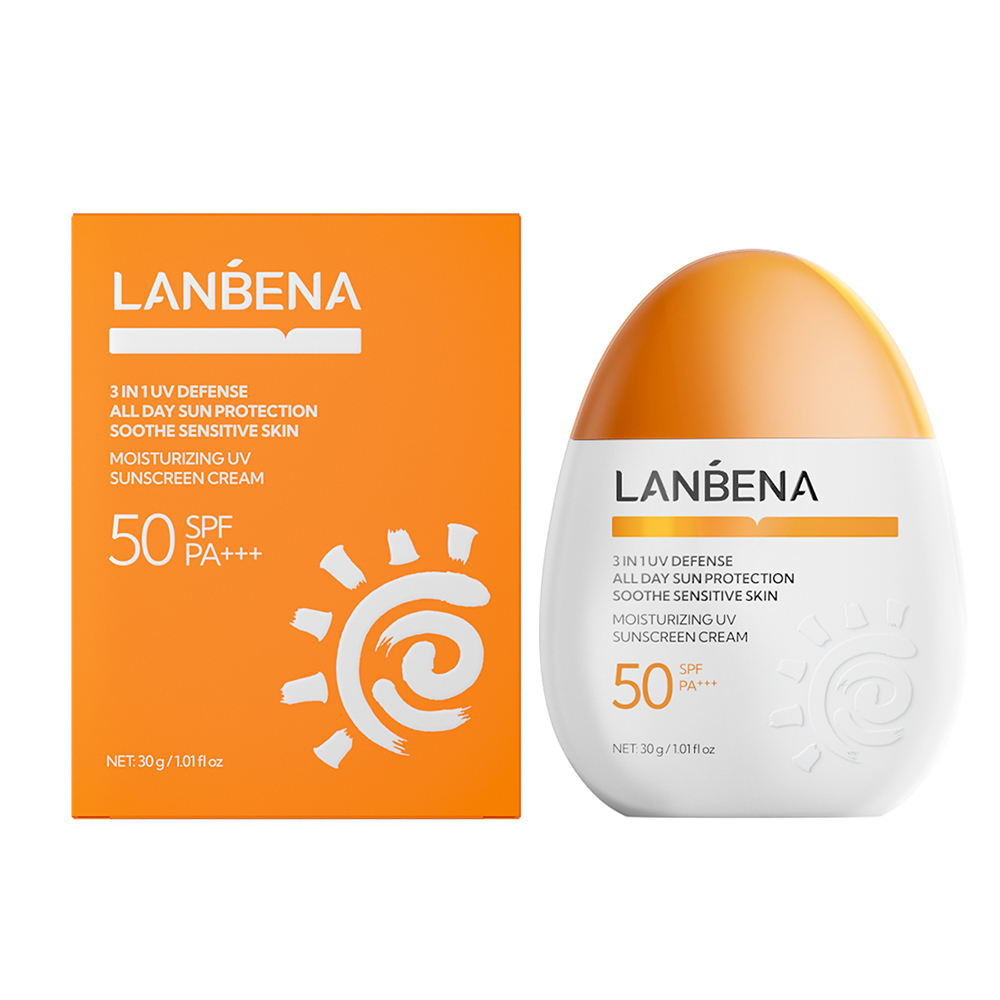
One reason people skip sunscreen on ordinary days is discomfort — heavy, greasy formulas feel unpleasant under makeup or during warm weather. A high-quality facial sunscreen designed for daily use should feel lightweight, absorb quickly, and leave no white cast. Hydrating sunscreen formulas that include skin-conditioning ingredients are especially well suited for consistent daily wear because they do not disrupt the skin's moisture balance. For those with oily skin, a mattifying sunscreen helps control shine while delivering reliable UV protection throughout the day. The sunscreen designed with a lightweight, hydrating formula and SPF 50 protection is specifically built for this kind of daily, all-conditions use.
Making Sunscreen a Morning Habit
The most effective sunscreen is the one you apply every single day, not just when conditions seem extreme. Treating sunscreen as the final step of your morning skin care routine — applied after moisturizer and before makeup — builds a reliable habit that protects skin continuously. Reapplying sunscreen every two hours during extended outdoor activity provides the best ongoing protection. Even for largely indoor days, a morning application of sunscreen covers the UV exposure that occurs during commutes, lunch breaks, and time near windows throughout the day.
FAQ
Does sunscreen need to be reapplied indoors throughout the day?
If you are spending the entire day indoors with minimal window exposure, one morning application of sunscreen is generally sufficient. However, if you move between indoor and outdoor environments, or sit near windows for extended periods, reapplying sunscreen every two hours during outdoor intervals is advisable for full protection.
Can a moisturizer with SPF replace a dedicated sunscreen?
A moisturizer with SPF can provide some UV protection, but most are not applied in quantities thick enough to deliver the labeled SPF level. A dedicated facial sunscreen applied as a standalone product ensures more consistent and reliable coverage. For daily protection against UVA and UVB rays, a separate sunscreen step is the more dependable choice.
Is a higher SPF sunscreen always better for daily use?
SPF 50 sunscreen is widely considered the optimal choice for daily use, offering strong protection without the heavier texture sometimes associated with very high SPF formulas. SPF values above 50 offer only marginal increases in UVB filtration, so SPF 50 sunscreen provides an excellent balance of protection, comfort, and practicality for most everyday scenarios including indoor and cloudy day exposure.