
 EN
EN
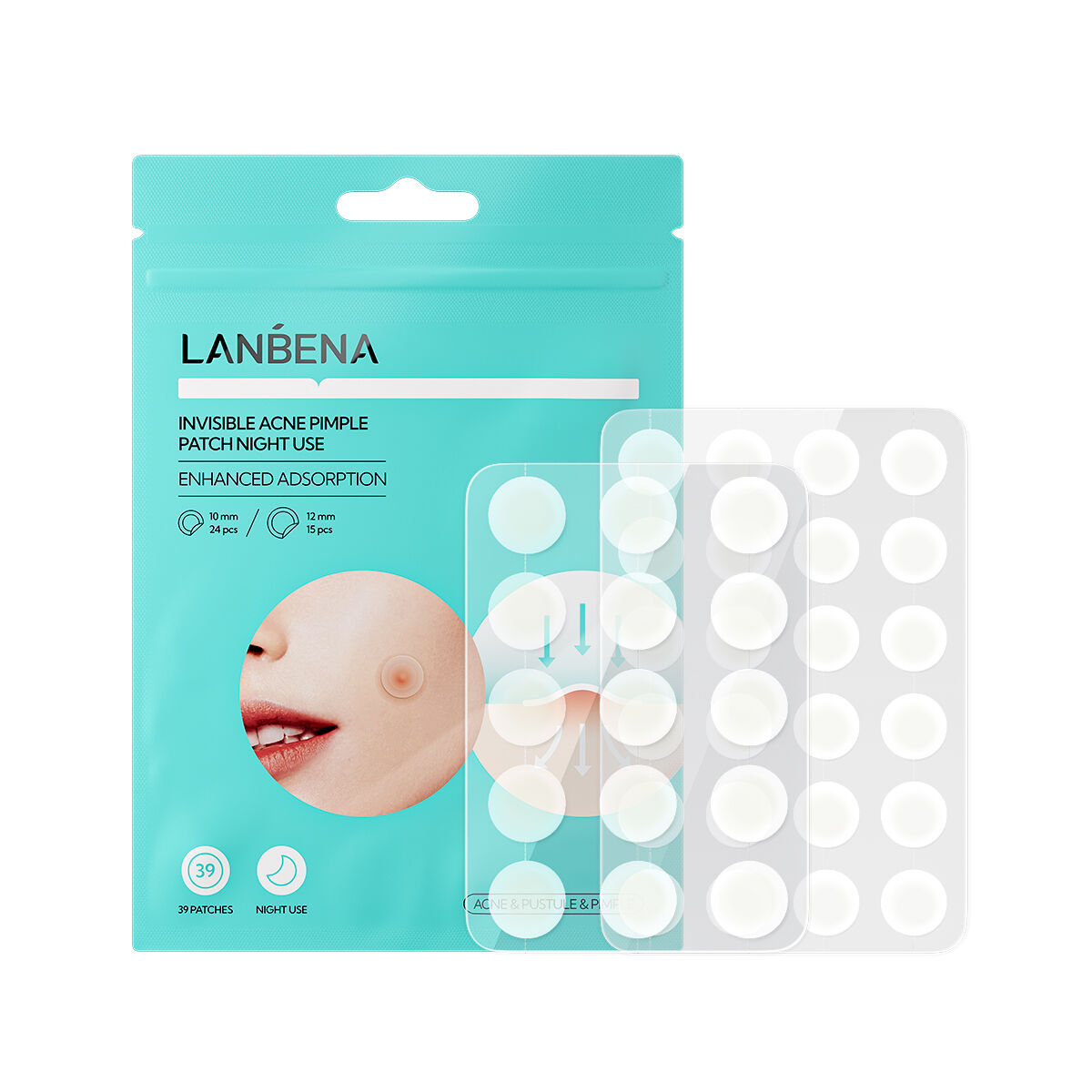
Një patch për pustullin përfaqëson një qasje revolucionare për trajtimin e erupcioneve akne duke krijuar një mjedis optimal shërimi që shpejton rikuperimin e lëkurës. Këto patche inovative hidrokoloidi punojnë duke tërhequr helmrat ndërkohë që mbrojnë zonën e prekur nga bakteriet e jashtme dhe kontaminimi. Ndryshe nga trajtimet tradicionale të aknes që mund të tharë lëkurën e shëndetshme rrethuese, një parche për kokrra ofron terapi të drejtpërdrejtë që fokusohet specifikisht në zonën problematike pa shkaktuar irritim tek indeja fqinje.
Efikasiteti i këtyre pllakave qëndron në aftësinë e tyre për të ruajtur nivelt e përshtatshëm të lagështisë, ndërkohë që nxjerrin njëkohësisht vajin dhe gjakun e tepërt nga porët e bllokuara. Entuziazmuesit e modernë të kujdesit për lëkurën dhe dermatologët rekomandojnë gjithnjë më shpesh këtë metodë për shkak të veprimit të saj të butë por të fuqishëm. Dizajni i qartë lejon përdoruesit të monitorojnë procesin e shërimi, duke ruajtur njëkohësisht diskresionin gjatë aktiviteteve të përditshme. Kjo metodë e inovuar e trajtimit ka transformuar mënyrën se si njerëzit i përqasen trajtimit të pikave, duke ofruar një alternativë jo-invasive ndaj kimikateve të ashpra dhe teknikave agresive të fërkimit.
Shkenca pas Teknologjisë së Hidrokoloidit
Menaxhim i Larg dhe Larg të Larg
Teknologjia e hidro-kolloideve është baza e çdo fërkësie efektive të pimples, duke krijuar një mikro-ambjent të specializuar që promovon shërimin më të shpejtë përmes mbajtjes së kontrolluar të lagështisë. Ky material i cilësisë mjekësore u zhvillua fillimisht për aplikime për kujdesin e plagëve, ku ruajtja e niveleve optimale të hidratimit u tregua thelbësore për rigjenerimin e indeve. Plakti thith lëngun e tepërt, ndërsa parandalon që zona e trajtuar të bëhet tepër e thatë, gjë që mund të çojë në rrëshqitje dhe plagë të mundshme.
Struktura unike polimerike e materialeve hidrocolloid lejon thithje selektive, duke tërhequr substanca inflamatore ndërsa mban lagështi të dobishme që mbështet proceset e riparimit qelizor. Kjo qasje e ekuilibruar siguron që rrëshqitja e pimples të mbajë efektivitetin terapeutik pa kompromentuar lëkurën e shëndetshme përreth. Konsistenca e ngjashme me xhelin që formohet në kontakt me shkarkimin e plagës krijon një pengesë shtesë mbrojtëse kundër ndotësve mjedisorë.
Mbrojtja dhe Parandalimi Bakterial
Përtej menaxhimit të lagështisë, pasterat me hidrokoloid ofrojnë një mbyllje të papërmesueshme që parandalon infiltrimin e baktereve në lezioet e akneve të ndjeshme. Kjo barierë mbrojtëse zvogëlon në mënyrë të konsiderueshme rrezikun e infeksioneve sekondare që mund të komplikojnë shërimin dhe të zgjasin kohën e ripërtëritjes. Vetitë ngjitëse të këtyre pasterave sigurojnë një fiksim të sigurt pa shkaktuar traumat gjatë heqjes, duke i bërë ato të përshtatshme për llojet e lëkurës së ndjeshme dhe të përgatitura për akne.
Ambienti steril i krijuar nën çdo pasterë për akne eliminon mundësitë që mikroorganizmat e dëmshëm të shumohen brenda porës së prekur. Ky atmosferë e kontrolluar lejon proceset e shërimi të dobishme të zhvillohen pa pengesa, ndërkohë që minimizon aktivitetin bakterial që shkakton inflamacionin. Hulumtimet tregojnë se ky qasje mbrojtëse zvogëlon kohën e shërimi deri në gjashtëdhjetë për qind në krahasim me lezionet e akneve të patraktuar.
Mekanizmat e Shërimi të Shpejtuar
Riprodhimi Qelizor i Përmirësuar
Mjedisi optimal i shërimi i krijuar nga një pasterizë për akne stimulon regjenerimin e qelizave në mënyrë të përmirësuar përmes dorëzimit të përmirësuar të oksigjenit dhe transportit të ushqimeve te inde të prekura. Ky shpejtues ndodh sepse pasteriza mban nivele konstante temperaturë dhe lagështi që mbështesin funksionin mitokondrial brenda qelizave të lëkurës. Rezultati është sinteza më e shpejtë e proteinave dhe prodhimi i kolagjenit, të dyja komponente esenciale të riparimit efektiv të indeve.
Studimet klinike tregojnë se zonat e trajtuara përjetojnë rritje të rrjedhjes së gjakut, e cila dërgon ushqime esenciale dhe heq mbetjet metabolike pRODUKTET më efikas. Kjo rritje e qarkullimit mbështet vargun natyror të shërimi, duke lejuar që indeja e dëmtuar të rivendoset më shpejt se me metodat konvencionale të trajtimit. Mjedisi i mbrojtur parandalon çregullimin e indeve të regjeneruara me kujdes gjatë fazave të hershme të shërimi, kur janë më të vulnerabla.
Ulja e Përgjigjes Inflamatore
Aplikimi strategjik i flasterëve hidrokoloidë ndihmon në modulimin e përgjigjes inflamatore të shoqëruar me lezione nga aknet, duke parandaluar ënjtjen dhe skuqjen e tepërt që mund të zgjasin shërimin. Presioni i butë i aplikuar nga këto flasterë nxit kullimin limfatik, duke zvogëluar akumulimin e ndërmjetësve inflamatorë në indet përreth. Ky kompresim i kontrolluar gjithashtu ndihmon në sheshimin e lezioneve të ngritura më shpejt sesa vetëm proceset natyrale të shërimit.
Izolimi i siguruar nga secila parche për kokrra parandalon irritimin mekanik nga prekja ose nxjerrja, sjellje që zakonisht e rëndojnë inflamacionin dhe zgjasin kohën e shërimi. Ky pengesë fizike eliminon tentimin për të manipuluar zonat e prekura, duke ofruar njëkohësisht përfitime terapeutike të vazhdueshme. Komforti psikologjik i diturit se zona është e mbrojtur zvogëlon shpesh sjelljet e lidhura me stresin, të cilat mund të rëndojnë gjendjen akneike.
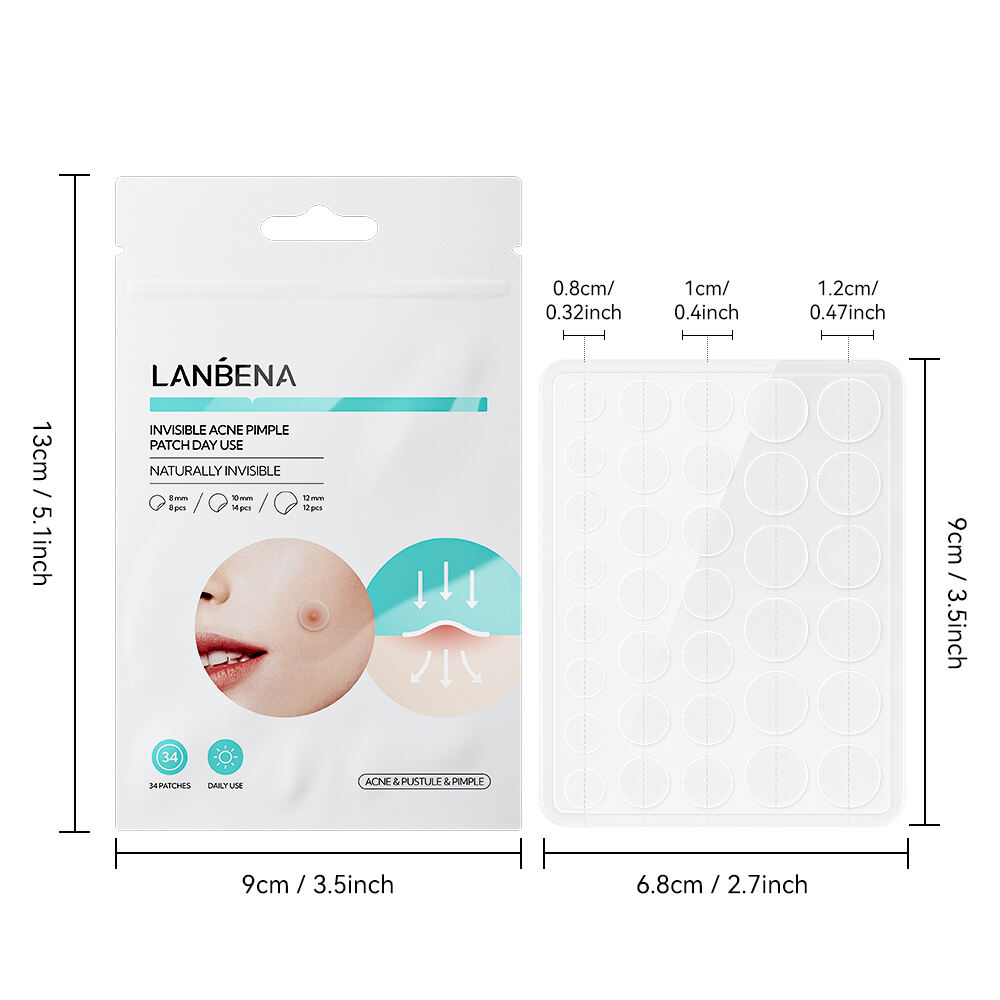
Teknikat Optimalë të Zbatimit
Përgatitja e Duhur e Lëkurës
Traktimi i suksesshëm me një shtrëngues për aknet fillon me përgatitjen e duhur të lëkurës, e cila siguron ngjitjen maksimale dhe efikasitetin terapeutik. Zona e prekur duhet të pastrohet lehtë me një pastrues të butë, jo-komedogjenik, për të hequr yndyrën e sipërfaqes, makeup-in dhe ndotësit ambientalë. Thaheni lëkurën plotësisht me dorë, pasi lagështia e mbetur mund të pengojë ngjitjen e duhur të shtrënguesit dhe të zvogëlojë efikasitetin e trajtimit.
Mos aplikoni tonike, serumë ose kremë hidratuese menjëherë para vendosjes së shtrënguesit, pasi këto produkte mund të krijojnë një bariere midis materialit hidrokoloid dhe sipërfaqes së lëkurës. Shtrënguesi kërkon kontakt të drejtpërdrejtë me porën e prekur për të funksionuar në mënyrë efektive. Lëreni lëkurën e pastruar të thahet në ajër për disa minuta para se të vazhdoni me vendosjen e shtrënguesit, për të siguruar kushtet optimale për ngjitje.
Vendosja Strategjike e Shtrënguesit
Vendosni çdo shtrëngues të kripës drejtpërdrejt mbi qendrën e zonës së prekur, duke siguruar mbulimin e plotë të lezionit të dukshëm plus një margjinë të vogël të lëkurës së shëndetshme rrethuese. Zbatojni shtypje të butë dhe të barabartë për dhjetë deri në pesëmbëdhjetë sekonda për të aktivizuar ngjitësin dhe për të eliminuar flluskat e ajrit që mund të komprometojnë hermetizimin. Vendosja e duhur është e thelbësishme për ruajtjen e mjedisit steril të nevojshëm për shërimin e shpejtuar.
Shtrënguesi duhet të mbetet në vend për një minimum prej gjashtë orësh për të arritur përfitimet terapeutike, ndërsa aplikimi natyror shpesh ofron rezultatet më optimale. Zhdukja e shtrënguesit në mëngjes lejon vlerësimin e progresit dhe rivendosjen nëse është e nevojshme. Aplikimi i përditshëm i konzistent gjatë periudhave aktive të erupcionit maksimizon përfitimet e shpejtimit të shërimi të kësaj metode trajtimi.
Kohëzgjatja e Trajtimi dhe Rezultatet e Pritura
Kronogrami për Përmirësimin e Dukshëm
Shumica e përdoruesve vërejnë përmirësime fillestare brenda 24 orëve të para të përdorimit të vazhdueshëm të pllakave kundër akneve, me zvogëlim të dukshëm të madhësisë së lezionit dhe të inflamacionit. Nxjerrja e lëndëve të padëshiruara krijon dëshmi të dukshme se pllaka po funksionon, pasi materiali hidrokoloid ndryshon ngjyrën dhe teksturën kur thith lëngun në tepër dhe mbetjet. Kjo reagim i menjëhershëm ofron siguri se trajtimi po zhvillohet efikas.
Shërimi i plotë i lezioneve të lehta të akneve zakonisht ndodh brenda tre deri pesë ditëve të përdorimit të rregullt të pllakave, ndërsa lezionet më të rënda inflamatore mund të kërkojnë shtatë deri dhjetë ditë për shërim të plotë. Kjo kohë e shpejtuar përfaqëson një përmirësim të konsiderueshëm në krahasim me proceset natyrale të shërimi, të cilat pa intervenim të duhur mund të zgjasin javë me radhë. Përdorimi i vazhdueshëm i pllakave gjatë tërë periudhës së trajtimit garanton rezultate optimale dhe parandalon regresin.
Faktorët që ndikojnë në shpejtësinë e shërimi
Shkalla individuale e shërimi ndryshon në varësi të disa faktorëve, përfshirë shkallën e rëndësisë së lezionit, llojin e lëkurës, moshën dhe gjendjen e përgjithshme të shëndetit. Personat më të rinj zakonisht përjetojnë një shërim më të shpejtë për shkak të proceseve më aktive të riprodhimit qelizor, ndërsa lëkura e pjekur mund të kërkojë periudha më të gjata trajtimi. Gjithashtu, thellësia dhe shtrirja e lezionit aknike ndikojnë në kohën e shërimi, ku kokrrat e sipërfaqesore të bardha reagojnë më shpejt se formimet kistike të thella.
Faktorët ambientalë, si humidesia, temperatura dhe cilësia e ajrit, mund të ndikojnë në efikasitetin e trajtimit me plastrat anti-akne. Rezultatet optimale arrihen në kushte të moderuara të temperaturës dhe humidesisë, të cilat mbështesin ngjitjen e duhur të plastrit pa shkaktuar perspiracion të tepërt. Ndryshimet stinore mund të kërkojnë rregullime në teknikat ose frekuencën e aplikimit për të ruajtur përfitimet terapeutike të vazhdueshme.
Avantazhet krahasuese ndaj trajtimeve tradicionale
Alternativë e butë ndaj kimikateve të ashpra
Ndryshe nga ilaçet e akneve të zbatuara në sipërfaqe, të cilat shpesh përmbajnë agjentë tharës si peroksidi i benzoilit ose acidi salicilik, një pasterizë për kishtë ofron përfitime terapeutike pa shkaktuar irritim në lëkurën e shëndetshme rrethuese. Ky qasje e fokusuar eliminon dëmet anësore të lidhura me trajtimet me spekter të gjerë, të cilat mund të çojnë në tharje të tepërt, lëvizje të lëkurës dhe sensitivitet. Natyra e butë e terapisë me hidrokoloid bën që ajo të jetë e përshtatshme për të gjitha llojet e lëkurës, përfshirë edhe ato të ndjeshme dhe reaguese.
Mungesa e kimikateve potencialisht irrituese bën që këto pasteriza të jenë të përshtatshme me produkte të tjera të kujdesit për lëkurën dhe trajtime, duke lejuar përdoruesit të ruajnë rutinat e tyre të vendosura pa shqetësim për interaksione negative. Kjo fleksibilitet është veçanërisht e vlefshme për individët që përdorin medicamente reçetuese për akne ose ato që kanë shumë probleme të lëkurës që kërkojnë qasje trajtimi të përgjithshme.
Parandalimi i shenjave të vjetra dhe hiperpigmentimit pas-inflamator
Ambienti mbrojtës i krijuar nga çdo pëllumb që zë vendin e akneve zvogëlon në mënyrë të konsiderueshme rrezikun e shkarrimit të përhershëm duke parandaluar traumatikën mekanike dhe kontaminimin bakterial gjatë procesit të shërimi. Ky qasje e kontrolluar ndaj menaxhimit të lezionit ruan integritetin e indeve rrethuese, ndërkohë që mbështet prodhimin natyror të kolagjenit. Rezultati është një teksturë më e butë e lëkurës me dëshmi minimale të aktivitetit të mëparshëm të akneve.
Hiperpigmentimi pas-inflamator, një problem i zakonshëm pas çeljeve të akneve, ndodh më rrallë me trajtimin me pëllumba për shkak të uljes së inflamacionit dhe kohërave më të shpejta të shërimi. Ambienti terapeutik i qëndrueshëm parandalon prodhimin e tepërt të melaninës, i cili çon në petka të errëta dhe në një ton të papërsosur të lëkurës. Ky efekt parandalues bën që pëllumbat hidrokoloide të jenë veçanërisht të vlefshëm për individët që janë të predispozuar për shqetësimet e hiperpigmentimit.
Rekomandimet profesionale dhe praktikat më të mira
Protokollet e miratuara nga dermatologët
Dermatologët udhëheqës rekomandojnë gjithnjë e më shumë përfshirjen e terapisë me plumbat për akne në protokollet e përgjithshme të menaxhimit të aknës, pasi është vërtetuar efikasiteti i saj dhe profili minimal i efekteve anësore. Udhirimet profesionale sugjerojnë përdorimin e këtyre plumbave si trajtim parësor për lezionet inflamatore të aknës, veçanërisht kur kërkohet një shërim i shpejtë për rastet speciale ose kërkesat profesionale. Qasja bazuar në dëshmi mbështet integrimin e terapisë me hidrokoloidë me trajtime të tjera dermatologjike.
Eksperienca klinike tregon se pacientët që ndjekin konstantisht teknikat e duhura të aplikimit arrijnë rezultate më të mira krahasuar me ata që përdorin trajtime tradicionale të pikave. Mbikëqyrja profesionale gjatë fazave fillestare të trajtimit ndihmon në optimizimin e teknikës dhe identifikon çdo rregullim të nevojshëm për karakteristikat individuale të lëkurës. Takimet e rregullta pasuese lejojnë vlerësimin e progresit dhe modifikimin e protokolleve të trajtimit sipas nevojës.
Përfitime të shëndetit të gjatë të lëkurës
Përveç trajtimit të menjëhershëm të akneve, përdorimi i rregullt i terapisë me shtrënguesa për kishte kontribuon në përmirësimin e përgjithshëm të shëndetit të lëkurës përmes zvogëlimit të manipulimeve dhe cikleve të inflamacionit. Qasja e diskutuar e nevojshme për aplikimin efikas të shtrënguesave çon shpesh në zakone më të mira përgjithësisht për kujdesin e lëkurës dhe në rritjen e vetëdijes për faktorët që shkaktojnë kishtet. Ky aspekt edukativ ofron përfitime të qëndrueshme që shtrihen jashtë periudhës së menjëhershme të trajtimit.
Naturës jo-invasive e trajtimit me hidrokoloidë ruajnë funksionin natyror të barierës së lëkurës, ndërkohë që adresohen problemet specifike. Ky qasje e butë mbështet shëndetin e gjatëkohëshëm të lëkurës duke shmangur dëmet e akumuluara që lidhen me fërkimin e fortë ose trajtimet kimike. Përdoruesit raportojnë shpesh përmirësim të teksturës së lëkurës dhe zvogëlim të shpeshtësisë së kishteve me integrimin e rregullt të terapisë me shtrënguesa.
FAQ
Sa kohë duhet të mbaj një shtrëngues kishte në lëkurën time?
Një pasterizë për akne duhet të mbetet në lëkurë për një minimum gjashtë orë për të arritur përfitimet terapeutike, ndërsa aplikimi natyror shpesh ofron rezultatet më të mira. Pasteriza mund të mbahet në vend me siguri deri në dhjetë e dy orë, duke lejuar materialit hidrokoloid të ketë kohën e mjaftueshme për të hequr helmrat dhe për të krijuar një mjedis optimal shërimi. Hiqni pasterizën butësisht dhe vlerësoni zonën për përmirësim para se të vendosni nëse është e nevojshme të përsëritet aplikimi.
A mund të përdor pasteriza për akne në lloje të ndryshme lesioni akne?
Pasterizat për akne funksionojnë më efikas në lesionet e aknes në sipërfaqe, siç janë kokrrat e bardha dhe papulat inflamatore të vogla që kanë dalë në sipërfaqe. Ato janë më pak efikase kundër aknes së thellë kistike ose kundër komedoneve të mbyllura që nuk kanë një rrugë të hapur drejt sipërfaqes. Pasteriza kërkon qasje në materialin e infektuar brenda porës për të funksionuar në mënyrë të duhur, prandaj lesionet me qendra të dukshme të bardha ose të verdha përgjigjen më mirë ndaj këtij qasja të trajtimit.
A ka efekte anësore të lidhura me përdorimin e shiritave për akne?
Shiritat për akne përgjithësisht tolerohen mirë dhe kanë rrezik minimal reagimesh negative, pasi përbërja e tyre është e butë dhe jo mjekësore. Disa individë mund të përjetojnë irritim të lehtë të lëkurës nga ngjitësi, veçanërisht ata me lëkurë shumë të ndjeshme ose me alergji ndaj latexit. Nëse shfaqet enervim, kruajtje ose inflamacion i rritur rreth zonës së trajtuar, ndërprisni përdorimin dhe konsultohuni me një dermatolog për të përcaktuar nëse opsionet e tjera të trajtimit do të jenë më të përshtatshme.
Sa shpesh mund të përdor shiritat për akne për trajtimin e akenës?
Pllakat kundër akneve mund të përdoren çdo ditë, sipas nevojës, për lezionet aktive të akneve pa rrezik mbi-përdorimi ose dëmtimi i lëkurës. Vendosni një pllakë të re në çdo shfaqje të re të akneve dhe vazhdoni trajtimin derisa lezioni të jetë shëruar plotësisht. Për personat me shfaqje të shpeshta të akneve, mbajtja e një rezerve pllakash siguron disponueshmërinë e menjëhershme të trajtimit kur shfaqen lezione të reja. Natyra e butë e terapisë me hidrokoloidë lejon përdorimin e vazhdueshëm gjatë periudhave aktive të akneve pa shqetësim për efekte irrituese akumuluese.