
 EN
EN
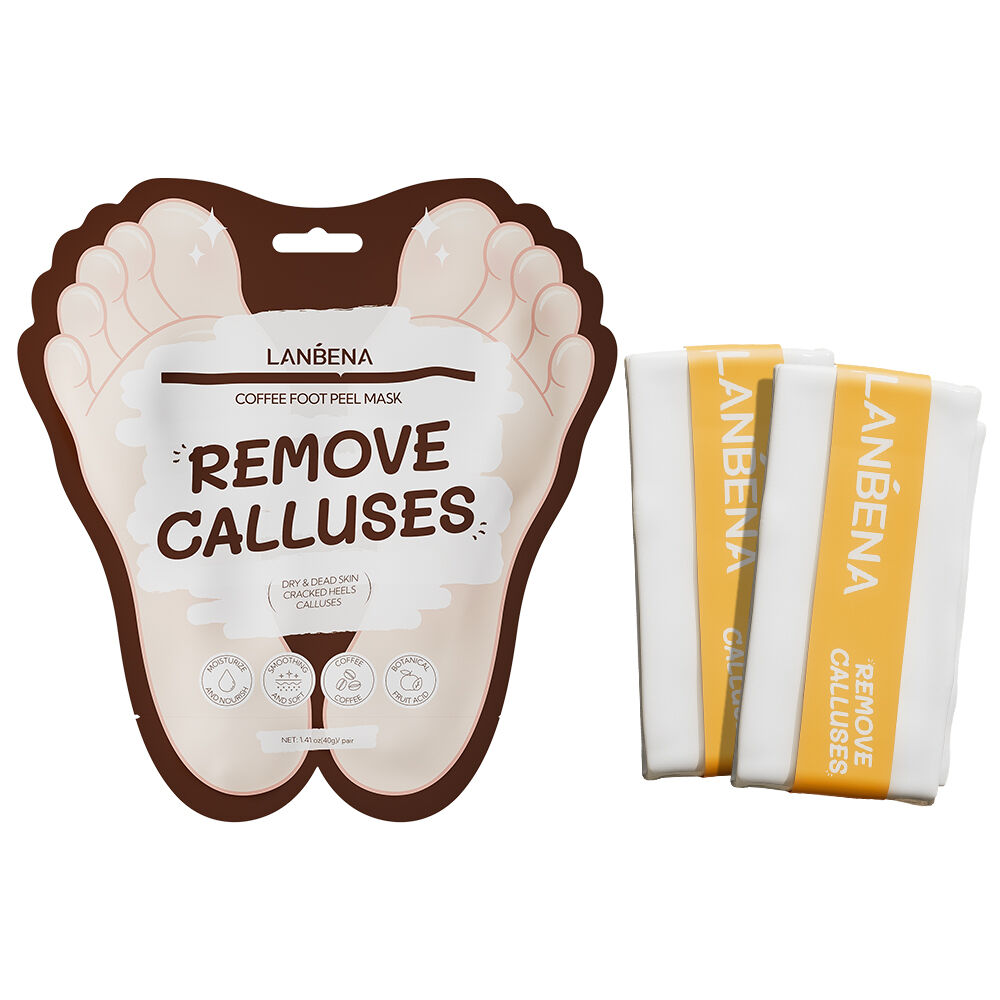
מסכות לרגליים חידשו את הדרך שבה אנו מתמודדים עם טיפול ברגליים, ומציעות פתרון נוח ויעיל במיוחד לטיפול בעור גס וקרום. הטיפולים המיוחדים הללו משלבים רכיבי אקספוליאציה חזקים עם תרכובות לחות מעמיקות כדי להמיר גם את האזורים הקשיחים ביותר של העור המוקשה. בניגוד לאבני פומיס מסורתיות או לשיטות סクラブ ידניות, מסכות לרגליים פועלות מתוך שכבות העור כדי לפרק תאי עור מתים ולתמוך בתהליכי השחזרה הטבעיים.
היעילות של מסכות הרגליים נובעת מהיכולת שלהן לחדור לעומק שטח העור, ולהעביר רכיבים פעילים מרוכזים שלא ניתן להשיג באמצעות טיפולים שפתיים בלבד. תרכובות ברמה מקצועית מכילות לעתים קרובות חומצות אלפא-היידרוקסי, chirot צמחיות ומרחמים מתקדמים הפועלים במערכת כדי להתיר את הצטברות הקראטין תוך כדי טיפוח שכבות העור הבריאות שמתחת.
הבסיס המדעי להצלחת מסכות הרגליים
מנגנוני גליפת מתקדמים
מסכות רגליים מודרניות משתמשות במנגנוני גליפה מתוחכמים המכוונים למבנה המולקולרי של תאי העור המתים. הרכיבים הפעילים העיקריים במסכות רגליים יעילות כוללים חומצת גליקולית, חומצת סליצילית וחומצת לקטית, אשר שייכות למשפחות החומצות האלפא והבֶּטא-היידרוקסיות. תרכובות אלו פועלות על ידי פירוק הקשרים המחזיקים יחדיו את תאי העור המתים, ובכך מאפשרות shedding טבעי שלהם במשך מספר ימים לאחר הטיפול.
תהליך הסרול מתחיל מיד עם הפעלת המוצר, אך ממשיך לפעול עד שבועיים לאחר השימוש הראשוני. במהלך זמן זה, מסכות הרגליים יוצרות סביבה מבוקרת של ניקור שמסירה שכבות של שכבת עור מתה שנשמרה לאורך זמן, מבלי לפגוע ברקמות הבריאות שמתחתיה. התהליך ההדרגתי הזה מבטיח שהעור החדש שמתגלה יהיה חלק, רך ומרוחק כראוי.
טכנולוגיית שדרוג חדירה
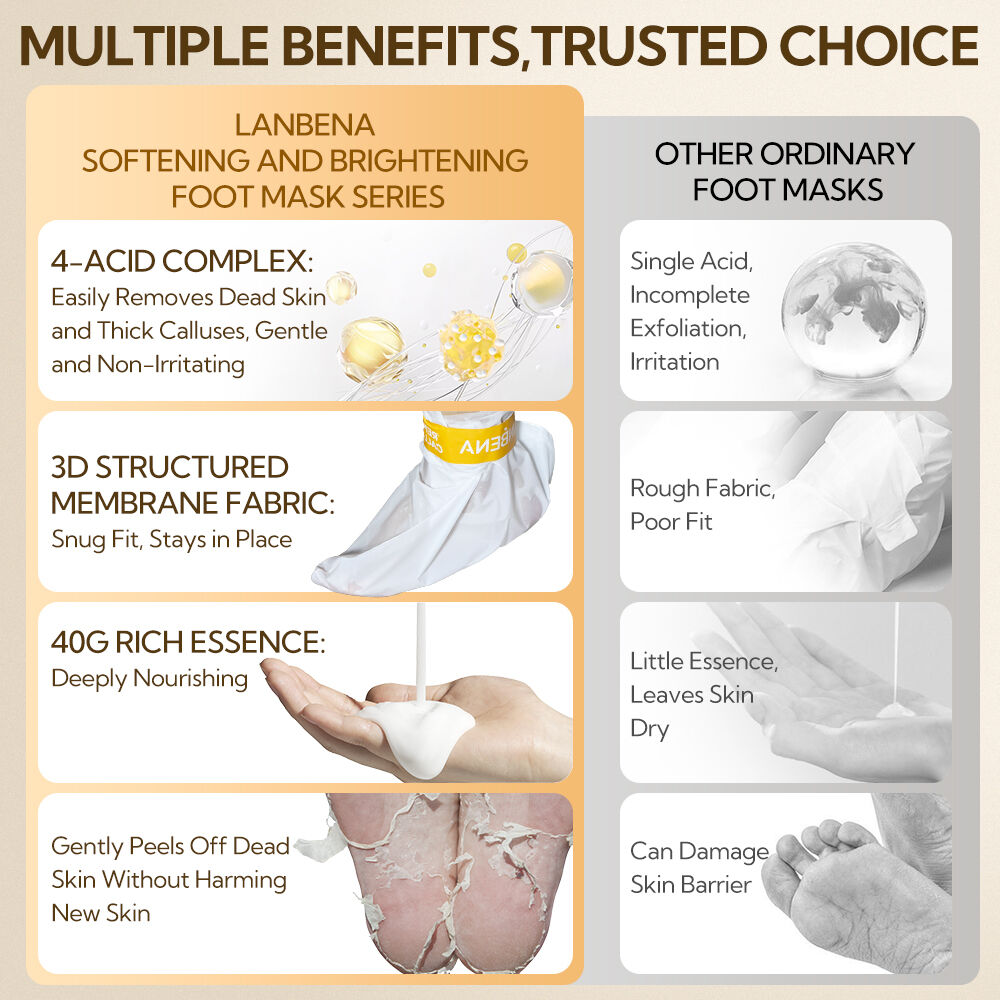
מסכות רגליים אפקטיביות משתמשות בטכנולוגיית שיפור חדירה כדי להבטיח שהרכיבים הפעילים יגיעו לשכבות העמוקות ביותר של העור הקשיח. טכנולוגיה זו כוללת לעתים קרובות מערכות נשא מיוחדות ורכיבים אוקלוזיביים שיוצרים סביבה אופטימלית לספיגת הרכיבים. העיצוב הדומה לגרב של רוב מסכות הרגליים יוצר סביבה חסומה שמעליה את טמפרטורת העור והלחות, מה שמשפר עוד יותר את חדירת הרכיבים.
השילוב של זמן מגע מוארך וחדירה משופרת מאפשר למסכות הרגליים להשיג תוצאות שדורשות טיפול מקצועי מרובה או שבועות של יישום יומי עם מוצרים קונבנציונליים. מוצרים יעילות זו הופכת את מסכות הרגליים למשיכה מיוחדת לאנשים המחפשים שיפור דרמטי בטקסטורה והמראה של הרגליים עם השקעה מינימלית בזמן.
מרכיבים מרכזיים שמעוררים את התוצאות
חומצות אלפא-היידרוקסי ותפקידיהן
חומצות אלפא-היידרוקסי מהוות את עמוד השדרה של נוסחאות מסכות רגליים אפקטיביות, ובחומצה הגליקולית נכללת אחת האופציות החזקות ביותר הזמינות. חומצות טבעיות אלו פועלות על ידי הפרעת הצמדת הסמנט הבין-תאי שמחבר את תאי העור המתים לפני השטח, ובכך מקלות על הסרת שכבות רבות של הצטברות שנוצרה לאורך זמן. גודל המולקולה של חומצות אלפא-היידרוקסי שונות קובע את עומק החדירה שלהן, מה שמאפשר לייצר טיפולים ממוקדים למגוון בעיות בעור.
חומצה לקטית, המתקבלת ממוצרי חלב מופרמים, מספקת פוליש עדין יותר תוך כדי מתן יתרונות רטיבות נוספים. הפעולה הכפולה הזו הופכת אותה למתאימה במיוחד לסוגי עור רגישים או לאנשים שחוו התפרצויות בעור עקב שימוש בחומצות חזקות יותר. כלולות של מספר חומצות אלפא-הידרוקסיות (AHA) באיכות גבוהה מסכות לרגליים יוצרות אפקט סינרגטי שמקסם את הפוליש ומזער את הסיכונים לאי-נוחות אפשרית.
משחות צמחיות טבעיות
מסכות רגליים פרמיום מכילות משחות צמחיות נבחרות בקפידה שמשלבות את תהליך הפוליש הכימי עם תכונות ריפוי ורטיבות טבעיות. רכיבים כגון משחת פפייה, אנזים מאננס ותה ירוק מספקים פעולת פוליש נוספת באמצעות חומצות פירות ואנזימים טבעיים. רכיבים צמחיים אלו פועלים בעדינות רבה יותר מאשר חומצות סינתטיות, מה שהופך אותם לאידיאליים לשמירה על תהליך הפוליש בין טיפולים חזקים יותר.
תמצית אלוי ורה, קמומיל ולבנדר נכללות בדרך כלל בשל תכונותיהן המרגיעות והנוגדות הדלקת. רכיבים אלו עוזרים למזער סיכון להiritציה מהרכיבים המקלחים, תוך כדי אספקת לחות ותזונה חיונית לתהליך התרפאות הטבעי של העור. שילוב הרכיבים המקלחים הפעילים והצמחיים המרגיעים יוצר נוסחה מאוזנת שמביאה לתוצאות ללא פגיעה בנוחות העור.
טכניקות יישום עבור יעילות מקסימלית
הכנה לפני הטיפול
הכנה מתאימה מגבירה באופן משמעותי את האפקטיביות של מסكات הרגליים ומבטיחה תוצאות אופטימליות. יש לנקות את הרגליים היטב ולשפשף אותן לפני ההפעלה, תוך התמקדות במחיקת כל מרחם קיים או טיפול טופיקלי אחר שעלול לפגוע בבליעת הרכיבים. חלק מהאנשים נהנים מה_SUM_ קצר במים חמים כדי לרмя את שטח העור, אך יש להגביל שלב זה כדי למנוע הידרציה יתרה שעשוייה לפגוע בחדירת הרכיבים.
גזיזת ציפורני הרגליים והסרת בעדינות של שאריות שטחיות עוזרת ליצור סביבת טיפול אופטימלית. עם זאת, יש להימנע מגריסה אגרסיבית או מקציצה בימים שקדמו ליישום מסכת הרגליים, שכן פעולה זו עלולה ליצור פצעונים מיקרוסקופיים שמעלים את הסיכון להiritציה. המטרה של ההכנה לטיפול היא ליצור עור נקי ומקבל, אשר מאפשר ספיגה מקסימלית של הרכיבים הפעילים ללא פגיעה במחסום ההגנה של העור.
הזמן האופטימלי והמשך הזמן
הזמן והמשך זמן יישום מסכת הרגליים ממלאים תפקיד קריטי בקביעת יעילות הטיפול. מרבית מסכות הרגליים המקצועיות דורשות זמני מגע בין 60 ל-90 דקות כדי להשיג תוצאות אופטימליות, אם כי כמה נוסחות אינטנסיביות יותר עשויות להמליץ על תקופות יישום ארוכות יותר. במהלך הזמן הזה חשוב להישאר יחסית שקט כדי לשמור על מגע תקין של המסכה ולמנוע הסרה מוקדמת של הרכיבים הפעילים.
החלת המוצר בערב מועדפת בדרך כלל, כיוון שמאפשרת לעור להתחיל בתהליך התרפאות והחידוש במהלך השינה, כאשר מנגנוני התיקון התאיים פעילים ביותר. יש לתכנן בקפידה את הימים הבאים לטיפול במיסק לרגליים, כיוון שהתהליך של ניקור העור מתחיל בדרך כלל תוך 3–5 ימים ומשתרע עד שבועיים. תיאום הטיפול לפני תקופות שבהן לא חשוב שהרגליים יראו מושלמות מבטיח חוויית משתמש אופטימלית.
הקפדה ותחזוקה לאחר הטיפול
תמיכה בתהליך הניקור הטבעי
ההצלחה של מיסקי הרגליים משתרעת הרבה מעבר לתקופת ההחלה הראשונית, ודורשת טיפול תומך לאחר הטיפול כדי לתמוך בתהליך הניקור הטבעי. במשך הימים הראשונים לאחר הטיפול, ייתכן שהרגליים ייראו ללא שינוי, אך תהליך הסרת העור מתבצע באופן פעיל מתחת לפני השטח. ניקוי עדין במים חמים-למחצה ובסבון רגוע עוזר להסיר תאי עור שמתנתקים, מבלי לפגוע באפקטים המשיכתיים של הטיפול.
השקייה הופכת לחשוב במיוחד בשלב הפילוח, כיוון שהעור החדש שמתגלה דורש השקייה נוספת הגנה נוספת. עם זאת, יש להימנע משקיות עטיפות או שמן-עטיפות במהלך הפילוח הפעיל, כיוון שהן עלולות לפגוע בתהליך הטבעי של נשירת העור. תרכובות קלות ומזדחלות במהירות מספקות את ההשקיה הדרושה ללא יצירת מחסומים שעלולים ללכוד תאי עור מנותקים.
אסטרטגיות לבריאות העור לאורך טווח הזמן
תחזוקת התוצאות המושגות באמצעות מסكات רגליים דורשת תשומת לב מתמדת לבריאות הרגליים ולסדרי טיפול מתאימים. שימוש קבוע בקרמים לרגליים שמכילים חומצות אלפא-היידרוקסי יכול לעזור למנוע הצטברות של תאי עור מתים בין הטיפולים החזקים. מוצרים אלו לתחזוקה מכילים בדרך כלל ריכוזים נמוכים יותר של חומרים פעילים, מה שהופך אותם מתאימים לשימוש יומי או שבועי ללא סיכון לالتهרה מוגזמת.
בחירת הנעלים המתאימות ותהליכי היגיינה של הרגליים משפיעים באופן משמעותי על משך הזמן שבו נמשכים התוצאות של מסכות הרגליים. נעליים שמנשאות, גרביים שפולטות לחות ורחיצת הרגליים המנוהלת בקביעות יוצרות סביבה שתומכת בהחלפת תאי העור בריאה. בנוסף, טיפולים חוזרים במסכות רגליים כל 4–6 שבועות עוזרים לשמור על מצב הרגליים האופטימלי ולמנוע את החזרה של קרומות קשיחות ושטחים גסים.
בחירת מסכת הרגליים המתאימה לצרכים שלכם
ניתוח הרכיבים וביקורת קריטריונים לבחירה
לבחירת מסכות רגליים אפקטיביות יש צורך לשקול בזהירות את רשימת הרכיבים ואת דרישות העור האישיות. מוצרים שמכילים מספר חומצות אלפא-היידרוקסי (AHA) מספקים בדרך כלל תוצאות מקיפות יותר מאשר נוסחאות שכוללות חומצה אחת בלבד, אף על פי שעשויים גם להגביר את הסיכון לתגובות רגישות. ריכוז הרכיבים הפעילים חייב להיות מאוזן לעומת רמת הסבילות האישית, כאשר משתמשים חדשים ירוויחו בדרך כלל מנוסחאות בעוצמה מתונה.
מסكات רגליים איכותיות מפרטות בבירור את כל הרכיבים הפעילים והריכוזים שלהם, מה שמאפשר לצרכנים לקבל החלטות מושכלות על סמך הצרכים והרגישויות הספציפיים שלהם. מוצרים שמשלבים חומרים לקליפת כימי עם רכיבים טבעיים המרגיעים את העור מציעים את האיזון הטוב ביותר בין יעילות וراיה עבור רוב המשתמשים. הימנעות ממוצרים שמכילים ריחות מיותרים, צבעים או שמרנים קשיחים עוזרת למזער את הסיכון לתגובות אלרגיות או להiritציה של העור.
מוצר מקצועי לעומת אפשרויות לצרכן
השוק מציע גם מסכות רגליים מקצועיות וגם מסכות רגליים המיועדות לצרכן, כאשר לכל אחת מהן יתרונות ויישומים מיוחדים. מוצרים מקצועיים מכילים בדרך כלל ריכוזים גבוהים יותר של רכיבים פעילים ומערכות מתקדמות יותר לאספקת הרכיבים, מה שמביא לתוצאות דרמטיות יותר וארוכות טווח יותר. עם זאת, מוצרים אלו עשויים לדרוש טיפול זהירות רב יותר במהלך ההגשה וניהול לאחר הטיפול.
מסכות רגליים המופנות לצרכן ממקדות נוחות בשימוש וצמצום הסיכון לתגובות שליליות, תוך שמירה על שיפור משמעותי בטקסטורה והמראה של הרגליים. מוצרים אלו כוללים לעתים קרובות רכיבים נוספים להרטבה ולשיכוך כדי לשפר את הנוחות במהלך הטיפול ואחריו. עבור אנשים חדשים לקליפת כימית או לאלו בעלי עור רגיש, אפשרויות ברמה הצרכנית מספקות הקדמה מעולה להטבות של טיפול מקצועי ברגליים.
דאגות נפוצות ונושאי בטיחות
ניהול תופעות לוואי פוטנציאליות
למרות שמסכות רגליים הן בדרך כלל בטוחות כאשר משתמשים בהן כנכוון, הבנת התופעות הלוואי הפוטנציאליות עוזרת למשתמשים להשיג תוצאות אופטימליות תוך צמצום הלא נוחות. תחושת דלקת קלה או חום במהלך השימוש היא תופעה נורמלית ומעידה על חדירת הרכיבים הפעילים לעור בצורה יעילה. עם זאת, שריפה קשה, אדמומיות מוגזמת או כאב מתמשך עלולים לרמז על תגובות רגישות הדורשות הפסקת מיידית של הטיפול.
התהליך של קרישת העור לאחר טיפול במקלחת לרגליים עלול לעתים קרובות לגרום לקרישת עור לא אחידה או לרגישות זמנית לגורמים סביבתיים. השפעות אלו הן בדרך כלל זמניות ונדפות תוך 1–2 שבועות, כאשר העור מסיים את מחזור ההתחדשות שלו. שמירה על הידרציה מתאימה והגנה על הרגליים מפני חשיפה מוגזמת לשמש או חומרים כימיים חזקים במהלך תקופה זו עוזרת למזער אי נוחות ולתמוך באיזון האופטימלי של התהליך.
מגבלות ושיקולים מיוחדים
מצבים רפואיים מסוימים ונסיבות מסוימות דורשים שיקול מיוחד בעת השימוש במקלחות לרגליים או עלולים לשלול לחלוטין את השימוש בהן. אנשים הסובלים מסכרת, הפרעות בערוצי הדם או מערכת החיסון הנפגעת חייבים להתייעץ עם ספקי שירותי בריאות לפני השימוש במוצרים לכריית עור כימית. פצעים פתוחים, אקזמה קשה או זיהומים פעילים מהווים מגבלות מוחלטות שדורשות התייצבות טרם שניתן יהיה לבצע בטיחות את הטיפול במקלחת לרגליים.
הריון ורִדָּת חָלָב עשויה לדרוש גישות טיפול מותאמות, אף על פי שמרבית מסכות הרגליים נחשבו לבטוחות במהלך תקופות אלו כאשר הן משמשות בהתאם להנחיות היצרן. גם שיקולים לגיל חשובים, מאחר שבוגרים מבוגרים יותר עלולים לחוות זמני ריפוי איטיים יותר ורגישות מוגברת לרכיבים פעילים. ביצוע בדיקת פץ (patch test) על שטח קטן של העור לפני יישום מלא עוזר לזהות מראש בעיות רגישות אפשריות.
שאלות נפוצות
באיזו תדירות יש להשתמש במסכות רגליים כדי להשיג תוצאות אופטימליות?
לרוב יש להשתמש במסכות רגליים אחת ל-4–6 שבועות כדי לשמור על תוצאות אופטימליות ולמנוע את הסרת העור המופרזת. שימוש בתדר גבוה מדי במסכות רגליים עלול לגרום להiritציה מופרזת ולהפר את המחסום הגנתי הטבעי של העור. התדר המדויק עשוי להשתנות בהתאם לעובי העור האינדיבידואלי, לקושי של הקורנים (callosities) ולעוצמת המוצר; כך שחלק מהאנשים עלולים להזדקק לטיפול כל 3–4 שבועות, בעוד שאחרים יכולים לשמור על התוצאות למשך 6–8 שבועות בין יישומים.
האם מסכות לרגליים יכולות לשמש באזורים אחרים בגוף עם עור גס?
למרות שמסכות לרגליים מופעלות במיוחד לעור העבה של הרגליים, אינן אמורות לשמש באזורים אחרים בגוף ללא שיקול מחודש. הריכוז הגבוה של רכיבים פעילים במסכות לרגליים עלול לגרום להiritציה חמורה באזורים בעלי עור רגיש יותר, כגון הידיים, המרפקים או הברכיים. אם ברצונכם לטפל בעור הגס באזורים אחרים, חפשו מוצרים המיועדים במיוחד לאזורים אלו עם ריכוזי רכיבים מתאימים.
מה עלי לעשות אם הרגליים שלי לא נקלעות לאחר שימוש במסכת רגליים?
אם לא מתרחשת פירוק בתוך 5-7 ימים לאחר יישום מסכת הרגל, מספר גורמים עשויים להיות אחראים לכך. העור שלך עשוי להיות עבה במיוחד או עמיד לחומרים המשמשים, המוצר לא היה מספיק זמן מגע, או ריכוז החומרים הפעילים עשוי להיות נמוך מדי לצרכים שלך. נסה להטביע את הרגליים במים חמים במשך 10-15 דקות ביום כדי לעודד את תהליך ההסקה, ולחשוב על שימוש בתרופה חזקה יותר לטיפול הבא שלך.
האם יש יתרונות ארוכי טווח לשימוש קבוע במסיכת רגל?
השימוש הסדיר במקלות לרגליים מעניק יתרונות מצטברים שעוברים את השיפור הקוסמטי המיידי. גירוי עקבי עוזר למנוע היווצרות של קוראות עמוקות וסדקיות בעור, מפחית את הסיכון להידבקות פטריות ומשפר את בריאות הרגליים בכלל. רבים מהמשתמשים דיווחו על שיפור בזרימת הדם, הפחתת ריח לא נעים מהרגליים והגברת הנוחות בבישול נעליים לאחר שהקימו רצף קבוע של שימוש במקלות לרגליים. התרגיל גם מעודד הרגלים טובים יותר של היגיינה לרגליים ומעורר תודעה מוגברת לבעיות בריאות הרגליים.