
 EN
EN
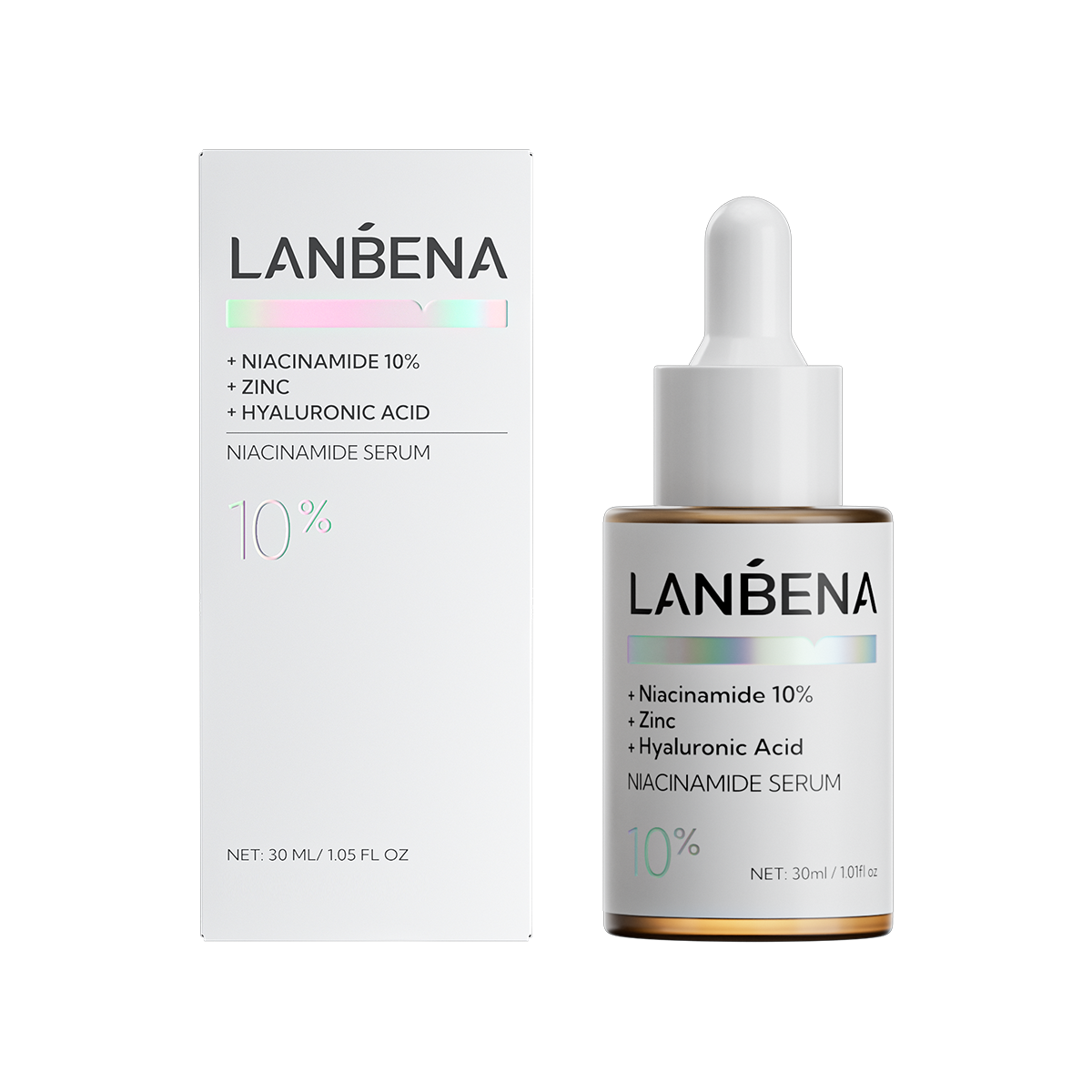
Η δημιουργία μιας αποτελεσματικής ρουτίνας περιποίησης του δέρματος απαιτεί κατανόηση της τέχνης και της επιστήμης της στρωματοποίησης πολλαπλών προϊόντα Φροντίδας Δέρματος για βέλτιστη απορρόφηση και μέγιστα αποτελέσματα. Η σειρά με την οποία εφαρμόζετε τα προϊόντα μπορεί να επηρεάσει σημαντικά την αποτελεσματικότητά τους, καθώς κάθε φόρμουλα έχει μοναδικά μοριακά βάρη και επίπεδα pH που καθορίζουν πόσο καλά διαπερνούν το φραγμός του δέρματος. Επαγγελματίες δερματολόγοι και ειδικοί στην περίποιηση του δέρματος τονίζουν ότι οι σωστές τεχνικές στρωματοποίησης μπορούν να μετατρέψουν μια συνηθισμένη ρουτίνα σε ένα ισχυρό σύστημα αντιγήρανσης και αναζωογόνησης του δέρματος.
Η βασική αρχή πίσω από την επιτυχή στρωμάτωση προϊόντων έγκειται στην εφαρμογή φόρμουλας από τη λεπτότερη έως τη παχύτερη συνοχή, επιτρέποντας σε κάθε στρώση να διεισδύσει βαθιά πριν σφραγιστεί με πιο πυκνούς ενυδατωτικούς παράγοντες ή έλαια. Αυτή η συστηματική προσέγγιση εξασφαλίζει ότι δραστικά συστατικά όπως το νιασιναμίδιο, η βιταμίνη C και το υαλουρονικό οξύ μπορούν να λειτουργούν συνεργικά, αντί να ανταγωνίζονται για απορρόφηση. Όταν στρωματώνετε σωστά τα προϊόντα περιποίησης του δέρματος, δημιουργείτε μια πολυδιάστατη αγωγή που αντιμετωπίζει ταυτόχρονα διάφορα προβλήματα του δέρματος, ενώ προλαμβάνει αλληλεπιδράσεις συστατικών που θα μπορούσαν να προκαλέσουν ερεθισμό ή να μειώσουν την αποτελεσματικότητα.
Κατανόηση της Μοριακής Δομής και Απορρόφησης των Προϊόντων
Προϊόντα Βάσης Νερού έναντι Προϊόντων Βάσης Ελαίου
Η μοριακή δομή των προϊόντων περιποίησης του δέρματός σας καθορίζει το ρυθμό απορρόφησης και τη συμβατότητά τους με άλλες φόρμουλες που χρησιμοποιείτε. Τα προϊόντα με βάση το νερό συνήθως έχουν μικρότερα μόρια που μπορούν να διαπεράσουν γρήγορα το δέρμα, κάνοντάς τα ιδανικά για τα πρώτα στρώματα της ρουτίνας σας. Περιλαμβάνουν λοσιόν, εσέντσες και ελαφριά ορούς που μεταφέρουν ενεργά συστατικά βαθιά στη χελιδώνα. Αντίθετα, τα προϊόντα με βάση το λάδι δημιουργούν ένα προστατευτικό φράγμα στην επιφάνεια του δέρματος και θα πρέπει γενικά να εφαρμόζονται τελευταία, ώστε να «κλειδώνουν» όλα τα ευεργετικά συστατικά από τα προηγούμενα στρώματα.
Η κατανόηση της διαφοράς μεταξύ υδρόφιλων και λιπόφιλων συστατικών σας βοηθά να παίρνετε ενημερωμένες αποφάσεις για τη θέση των προϊόντων στη ρουτίνα σας. Τα υδρόφιλα συστατικά, όπως η νιασιναμίδη και η βιταμίνη C, δρουν καλύτερα όταν εφαρμόζονται σε ελαφρώς υγρό δέρμα, καθώς το νερό διευκολύνει την απορρόφησή τους. Τα λιπόφιλα συστατικά, όπως οι κεραμίδες και τα φυσικά έλαια, απαιτούν διαφορετική προσέγγιση, καθώς πρέπει να διαλυθούν στο φυσικό λιπιδικό φραγμό του δέρματος για να είναι αποτελεσματικά.
επίπεδα pH και Χημική Συμβατότητα
Η τιμή pH των προϊόντων περιποίησης του δέρματός σας διαδραματίζει καθοριστικό ρόλο στον καθορισμό της αποτελεσματικότητάς τους και της συμβατότητάς τους με άλλες συνταγές. Προϊόντα με χαμηλή τιμή pH, όπως τα σερούμ με βιταμίνη C και τα χημικά εξολκυστικά, συνήθως πρέπει να χρησιμοποιούνται νωρίτερα στη ρουτίνα σας, όταν το φυσικό pH του δέρματος είναι πιο όξινο. Προϊόντα με υψηλότερο pH, όπως κάποια κρέμες υδάτωσης και αντηλιακά, λειτουργούν καλύτερα όταν χρησιμοποιούνται μετά την απορρόφηση των όξινων συνταγών από το δέρμα, αποτρέποντας τον ενδεχόμενο εξουδετέρωση των ενεργών συστατικών.
Οι χημικές αλληλεπιδράσεις μεταξύ διαφορετικών ενεργών συστατικών μπορούν είτε να ενισχύσουν είτε να μειώσουν την αποτελεσματικότητά τους, καθιστώντας απαραίτητη την κατανόηση ποιοι συνδυασμοί λειτουργούν συνεργικά. Για παράδειγμα, η νιασιναμίδη συνδυάζεται άριστα με το υαλουρονικό οξύ και τα πεπτίδια, δημιουργώντας έναν ισχυρό συνδυασμό κατά των ρυτίδων που αντιμετωπίζει πολλαπλά προβλήματα του δέρματος. Ωστόσο, ορισμένα συστατικά όπως το ρετινόλη και η βιταμίνη C μπορεί να προκαλέσουν ερεθισμό όταν χρησιμοποιούνται ταυτόχρονα, απαιτώντας προσεκτικό προγραμματισμό ή εναλλασσόμενα χρονοδιαγράμματα εφαρμογής για να μεγιστοποιηθούν τα οφέλη και να ελαχιστοποιηθούν οι ανεπιθύμητες αντιδράσεις.
Πρωινό Πρωτόκολλο Εφαρμογής Στοιβάδων Περιποίησης Δέρματος
Βήματα Καθαρισμού και Προετοιμασίας
Η βάση κάθε αποτελεσματικής πρωινής ρουτίνας περιποίησης του δέρματος ξεκινά με έναν εξονυχιστικό καθαρισμό, ώστε να αφαιρεθούν οι ακαθαρσίες, τα περισσευούμενα λιπαρά και τα κυτταρικά υπολείμματα που συσσωρεύονται κατά τη διάρκεια της νύχτας και μπορεί να εμποδίζουν την απορρόφηση των προϊόντων. Ένα ήπιο καθαριστικό με ισορροπημένο pH προετοιμάζει το δέρμα να απορροφήσει τα ωφέλιμα συστατικά των επόμενων προϊόντων περιποίησης, δημιουργώντας ένα ιδανικό περιβάλλον για διείσδυση. Μετά τον καθαρισμό, σκουπίστε το δέρμα σας με ένα καθαρό πανί, αφήνοντάς το ελαφρώς υγρό για να βελτιωθεί η απορρόφηση των προϊόντων βασισμένων στο νερό.
Μετά τον καθαρισμό, εφαρμόστε έναν εξισορροπητικό τόνο ή ένα ουσιώδες υγρό για να αποκαταστήσετε το φυσικό pH του δέρματος και να προσφέρετε το πρώτο στρώμα υδάτωσης. Αυτό το βήμα είναι ιδιαίτερα σημαντικό για όσους χρησιμοποιούν ενεργά συστατικά, καθώς εξασφαλίζει ότι το δέρμα είναι κατάλληλα προετοιμασμένο για να δεχτεί πιο συγκεντρωμένες μορφές. Η ελαφριά υγρασία από τους τόνους βοηθά επίσης στη δημιουργία ενός ευνοϊκού περιβάλλοντος για την απορρόφηση των ορών και των θεραπειών που ακολουθούν στη σειρά των στρωμάτων.
Εφαρμογή Ορού και Στρώσεις Θεραπείας
Η εφαρμογή ορού το πρωί απαιτεί στρατηγική στρωματοποίηση για να διασφαλιστεί η μέγιστη διείσδυση και αποτελεσματικότητα των ενεργών συστατικών. Ξεκινήστε με τους ορούς ελαφρύτερης συνοχής, συνήθως αυτούς που περιέχουν βιταμίνη C, νιασιναμίδη ή υαλουρονικό οξύ, καθώς αυτά τα προϊόντα περιποίησης του δέρματος έχουν μικρότερες μοριακές δομές που διεισδύουν γρήγορα. Αφήστε κάθε ορό να απορροφηθεί πλήρως πριν εφαρμόσετε τον επόμενο, συνήθως περιμένοντας 30-60 δευτερόλεπτα μεταξύ των εφαρμογών, για να αποφευχθεί η δημιουργία φακών ή η μειωμένη απορρόφηση.
Όταν χρησιμοποιείτε πολλά ορούς στη πρωινή σας ρουτίνα, δώστε προτεραιότητα σε συνταγές πλούσιες σε αντιοξειδωτικά που προσφέρουν προστασία ενάντια σε περιβαλλοντικούς παράγοντες και βλάβη από ελεύθερες ρίζες. Οι οροί με βιταμίνη C πρέπει να εφαρμόζονται πρώτοι λόγω του χαμηλού pH και του μικρού μοριακού μεγέθους τους, ακολουθούμενοι από θεραπείες με νιασιναμίδιο που βοηθούν στη ρύθμιση της παραγωγής λίπους και στην ελαχιστοποίηση της εμφάνισης των πόρων. Οι ενυδατικοί οροί που περιέχουν οξύ υαλουρονικού ή γλυκερίνη λειτουργούν εξαιρετικά ως τελευταίο στρώμα ορού, δημιουργώντας μια βάση πλούσια σε υγρασία για τον ενυδατικό και το αντηλιακό σας.
Βελτιστοποίηση Βραδινής Ρουτίνας Φροντίδας Δέρματος
Χρονισμός Βαθιάς Καθαρισμού και Απολέπισης
Οι βραδινές ρουτίνες περιποίησης του δέρματος απαιτούν πιο εντατική προετοιμασία λόγω της συσσώρευσης περιβαλλοντικών ρύπων, μακιγιάζ και ηλιοπροστατικών κατά τη διάρκεια της ημέρας. Η διπλή καθαρισμός έχει γίνει η βασική αρχή αποτελεσματικών βραδινών ρουτινών, ξεκινώντας με ένα καθαριστικό βάσης ελαίου για να διαλύσει το μακιγιάζ και το ηλιοπροστατικό, ακολουθούμενο από ένα καθαριστικό βάσης νερού για να αφαιρέσει τις υπόλοιπες ακαθαρσίες. Αυτή η εξονυχιστική διαδικασία καθαρισμού εξασφαλίζει ότι τα επόμενα προϊόντα περιποίησης του δέρματος μπορούν να διεισδύσουν αποτελεσματικά, χωρίς εμπόδια που δημιουργούνται από υπολειμματικά προϊόντα ή ρύπους.
Η χημική εξολκίωση διαδραματίζει σημαντικό ρόλο στις βραδινές ρουτίνες, καθώς αφαιρεί τα νεκρά κύτταρα του δέρματος και προωθεί την κυτταρική ανανέωση ενώ κοιμάστε. Τα προϊόντα που περιέχουν οξέα α-υδροξυ (AHAs) ή οξέα β-υδροξυ (BHAs) πρέπει να εφαρμόζονται μετά τον καθαρισμό, αλλά πριν από τα ορούς και τα ενυδατικά. Αυτά τα εξολκιστικά συστατικά βελτιώνουν όχι μόνο την υφή και τον τόνο του δέρματος, αλλά ενισχύουν και την απορρόφηση άλλων προϊόντων στη ρουτίνα σας, αφαιρώντας το εμπόδιο των νεκρών κυττάρων του δέρματος που μπορεί να εμποδίζει τη διείσδυση.
Ακολουθία Προϊόντων Επισκευής και Αναγέννησης
Τις βραδινές ώρες προσφέρεται το ιδανικό παράθυρο για τη χρήση προϊόντων περιποίησης δέρματος με έμφαση στην επισκευή και αναζωογόνηση, καθώς οι φυσικές διαδικασίες ανανέωσης του δέρματος είναι πιο ενεργές κατά τον ύπνο. Τα προϊόντα με ρετινόλη και ρετινοειδή πρέπει να εισάγονται σταδιακά και να χρησιμοποιούνται μετά τον καθαρισμό και οποιαδήποτε θεραπεία με οξέα, καθώς μπορεί να αυξήσουν την ευαισθησία του δέρματος όταν συνδυάζονται με άλλα ενεργά συστατικά. Ξεκινήστε με χαμηλότερες συγκεντρώσεις και εφαρμόζετέ τα εναλλάξ βράδια, ώστε το δέρμα σας να αναπτύξει ανοχή, διατηρώντας παράλληλα τα αντιγηραντικά οφέλη αυτών των ισχυρών ενώσεων.
Τα σερουμ πλούσια σε πεπτίδια και οι αγωγές με παράγοντες ανάπτυξης λειτουργούν συνεργικά με τους φυσικούς μηχανισμούς επισκευής του δέρματος, καθιστώντας τα ιδανικά για χρήση το βράδυ. Αυτά τα προηγμένα συστατικά βοηθούν στη διέγερση της παραγωγής κολλαγόνου και της κυτταρικής ανανέωσης, αντιμετωπίζοντας τα σημάδια γήρανσης και της περιβαλλοντικής βλάβης που συσσωρεύτηκαν κατά τη διάρκεια της ημέρας. Εφαρμόστε αυτές τις αγωγές πριν από πιο παχιά ενυδατικά και ελαία προσώπου, επιτρέποντας στις μικρότερες μοριακές δομές τους να διαπεράσουν βαθιά και να παρέχουν στοχευμένα οφέλη στα βαθύτερα στρώματα του δέρματος.
Προηγμένες Τεχνικές Στρωμάτωσης για Συγκεκριμένα Προβλήματα
Συνδυασμοί Προϊόντων Αντιγήρανσης
Η αντιμετώπιση των σημείων της γήρανσης απαιτεί μια εξελιγμένη προσέγγιση με τη στρωμάτωση πολλαπλών προϊόντων περιποίησης του δέρματος, τα οποία λειτουργούν συνεργικά για να αντιμετωπίσουν τις λεπτές γραμμές, τις ρυτίδες και την απώλεια της σφιχτότητας. Οι πιο αποτελεσματικές ρουτίνες αντιγήρανσης συνδυάζουν αντιοξειδωτικά, πεπτίδια και συστατικά που επικοινωνούν με τα κύτταρα σε μια συγκεκριμένη σειρά, η οποία μεγιστοποιεί τα μεμονωμένα και συλλογικά οφέλη τους. Ξεκινήστε με ορούς αντιοξειδωτικών που περιέχουν βιταμίνη C ή νιασιναμίδη για προστασία από τη ζημιά των ελεύθερων ριζών, ακολουθούμενους από θεραπείες με πεπτίδια που ενημερώνουν το δέρμα να παράγει περισσότερη κολλαγόνο και ελαστίνη.
Οι παράγοντες ανάπτυξης και τα εκχυλίσματα βλαστοκυττάρων αποτελούν το επίκοντρο της περιποίησης της επιδερμίδας κατά της γήρανσης, και απαιτείται προσεκτική τοποθέτησή τους στη ρουτίνα σας για να διασφαλιστεί η βέλτιστη απορρόφηση και αποτελεσματικότητα. Αυτά τα προηγμένα συστατικά πρέπει να εφαρμόζονται σε καθαρή, ελαφρώς υγρή επιδερμίδα, πριν από πιο βαριές θεραπείες ή ενυδατικά. Όταν εφαρμόζετε στρώσεις αυτών των προηγμένων προϊόντων κατά της γήρανσης, δώστε επαρκή χρόνο απορρόφησης μεταξύ κάθε εφαρμογής για να αποφευχθεί η παρεμβολή και να διασφαλιστεί ότι κάθε συστατικό μπορεί να εκτελέσει την προβλεπόμενη λειτουργία του στο κυτταρικό πλέγμα της επιδερμίδας.
Στρατηγικές υδάτωσης και επισκευής του φραγμού
Τα εμπόδια στο δέρμα απαιτούν στοχευμένες στρατηγικές ενυδάτωσης που περιλαμβάνουν την επικάλυψη πολλαπλών συστατικών που δεσμεύουν την υγρασία και ενισχύουν το εμπόδιο. Η πιο αποτελεσματική προσέγγιση ξεκινά με ελαφριά ορούματα πλούσια σε υγραντικό που αντλούν υγρασία από το περιβάλλον και τα βαθύτερα στρώματα του δέρματος στην επιφάνεια. Το υαλουρονικό οξύ, η γλυκερίνη και το νατριοποιημένο PCA λειτουργούν εξαιρετικά ως ενυδατωτές πρώτου στρώματος, δημιουργώντας μια δεξαμενή υγρασίας στην οποία μπορούν να βασίζονται τα επόμενα προϊόντα.
Οι ενυδατικές κρέμες πλούσιες σε κεραμίδια και οι κρέμες επισκευής του φραγμού ακολουθούν τα ενυδατικά ορούς για να δέσουν την υγρασία και να ενισχύσουν το φυσικό προστατευτικό φραγμό του δέρματος. Αυτές οι φόρμουλες περιέχουν συνήθως συνδυασμό κεραμιδίων, χοληστερόλης και λιπαρών οξέων που μιμούνται τη φυσική λιπιδική σύνθεση του δέρματος. Για σοβαρά αφυδατωμένο δέρμα, σκεφτείτε την προσθήκη ενός προσωπικού ελαίου ως τελευταίο στρώμα, επιλέγοντας φόρμουλες πλούσιες σε απαραίτητα λιπαρά οξέα που ενισχύουν περαιτέρω τη λειτουργία του φραγμού, παρέχοντας ταυτόχρονα μακράς διάρκειας προστασία από την αφυδάτωση κατά τη διάρκεια της νύχτας.
Συνηθισμένα Λάθη Στρωματοποίησης και Λύσεις
Προβλήματα Μη Συμβατότητας Προϊόντων
Μία από τις πιο συχνές ατέλειες στις ρουτίνες περιποίησης του δέρματος είναι η χρήση ασύμβατων προϊόντων, τα οποία μπορούν να αλλοιώσουν η ένα την αποτελεσματικότητα του άλλου ή να προκαλέσουν ανεπιθύμητες αντιδράσεις στο δέρμα. Η ανάμειξη προϊόντων με σημαντικά διαφορετικά επίπεδα pH, όπως ορούς βιταμίνης C με προϊόντα ρετινόλης, μπορεί να οδηγήσει σε ερεθισμό και μειωμένη αποτελεσματικότητα και για τα δύο συστατικά. Η κατανόηση των αλληλεπιδράσεων των συστατικών βοηθά στην αποφυγή αυτών των προβλημάτων και εξασφαλίζει ότι η ρουτίνα σας παρέχει τα μέγιστα οφέλη, χωρίς να θέτει σε κίνδυνο την υγεία ή την άνεση του δέρματος.
Μια άλλη συνηθισμένη ασυμβατότητα παρουσιάζεται όταν γίνεται επικάλυψη προϊόντων με διαφορετικές βασικές συνθέσεις, όπως η χρήση προϊόντων βασισμένων σε λάδι πριν από ορούς βασισμένους σε νερό. Αυτή η αντίστροφη επικάλυψη εμποδίζει τα προϊόντα βασισμένα σε νερό να διεισδύσουν αποτελεσματικά, κατ' ουσίαν σπαταλώντας τα ενεργά συστατικά τους και μειώνοντας τη συνολική αποτελεσματικότητα της ρουτίνας. Ακολουθείτε πάντα τον κανόνα από το αραιό στο παχύ και λάβετε υπόψη το μοριακό βάρος των συστατικών όταν καθορίζετε τη σειρά εφαρμογής, προκειμένου να αποφύγετε αυτά τα προβλήματα συμβατότητας.
Παράγοντες Χρονισμού και Απορρόφησης
Η βιαστική χρήση προϊόντων περιποίησης του δέρματος αποτελεί σημαντικό εμπόδιο για την επίτευξη ιδανικών αποτελεσμάτων από τη ρουτίνα περιποίησης του δέρματος. Πολλοί άνθρωποι εφαρμόζουν πολλά προϊόντα περιποίησης του δέρματος με γρήγορη διαδοχή, χωρίς να επιτρέψουν επαρκή χρόνο απορρόφησης μεταξύ των στρώσεων, γεγονός που οδηγεί σε φαινόμενο πιλίνγκ, μειωμένη διείσδυση και μειωμένη αποτελεσματικότητα. Κάθε προϊόν χρειάζεται περίπου 30-60 δευτερόλεπτα για να αρχίσει να απορροφάται από το δέρμα, ενώ ορισμένες αγωγές απαιτούν αρκετά λεπτά για πλήρη διείσδυση πριν εφαρμοστεί αποτελεσματικά η επόμενη στρώση.
Παράγοντες όπως η υγρασία, η θερμοκρασία και η αεριζόμενη κυκλοφορία επηρεάζουν επίσης τους ρυθμούς απορρόφησης και πρέπει να λαμβάνονται υπόψη κατά τον καθορισμό του χρόνου της ρουτίνας σας. Σε συνθήκες υψηλής υγρασίας, τα προϊόντα μπορεί να χρειάζονται περισσότερο χρόνο για να απορροφηθούν, ενώ σε ξηρά περιβάλλοντα μπορεί να συμβεί γρήγορη εξάτμιση των φορμουλών βασισμένων στο νερό πριν απορροφηθούν αποτελεσματικά. Προσαρμόστε το χρονοδιάγραμμα της ρουτίνας σας βάσει αυτών των παραγόντων και βεβαιωθείτε πάντα ότι κάθε στρώση έχει απορροφηθεί επαρκώς πριν προχωρήσετε, ώστε να αποφύγετε τη συσσώρευση προϊόντων και τη μείωση της αποτελεσματικότητας.
Επαγγελματικές Συμβουλές για Προσαρμογή της Ρουτίνας
Εποχιακές Ρυθμίσεις και Προσαρμογές
Οι εποχιακές αλλαγές επηρεάζουν σημαντικά τις ανάγκες του δέρματος και απαιτούν αντίστοιχες προσαρμογές στη στρωτοποίηση των προϊόντων περιποίησης δέρματος για βέλτιστα αποτελέσματα όλο το χρόνο. Κατά τους ψυχρότερους μήνες, η φυσική λειτουργία φραγμού του δέρματος μπορεί να επηρεαστεί λόγω της μειωμένης υγρασίας και των ακραίων καιρικών συνθηκών, γεγονός που επιβάλλει τη χρήση επιπλέον υδατοποιητικών και προϊόντων επισκευής φραγμού στη ρουτίνα σας. Σκεφτείτε να προσθέσετε περισσότερα αποκλειστικά υδατοποιητικά και προστατευτικά έλαια στη βραδινή σας ρουτίνα, διατηρώντας ελαφρύτερες συνταγές κατά τη διάρκεια της ημέρας για να αποφύγετε την ολίσθηση του μακιγιάζ ή την υπερβολική λάμψη.
Οι ρουτίνες περιποίησης του δέρματος το καλοκαίρι επωφελούνται από ελαφρύτερες υφές και αυξημένη προστασία με αντιοξειδωτικά για να αντιμετωπίσουν την έντονη έκθεση στην υπεριώδη ακτινοβολία και τους περιβαλλοντικούς παράγοντες. Τα οροί βασισμένοι σε gel και τα ελαφριά ενυδατικά λειτουργούν καλύτερα σε υγρές συνθήκες, ενώ η διατήρηση συνεχούς προστασίας από τον ήλιο μέσω σωστής εφαρμογής αντηλιακού γίνεται ακόμα πιο σημαντική. Ρυθμίστε τη συγκέντρωση και τη συχνότητα των ενεργών συστατικών βάσει της αυξημένης ευαισθησίας στον ήλιο και των μεταβαλλόμενων αναγκών του δέρματος κατά τη διάρκεια των διαφορετικών εποχών.
Τροποποιήσεις Ανάλογα με τον Τύπο Δέρματος
Οι διαφορετικοί τύποι δέρματος απαιτούν προσαρμοσμένες προσεγγίσεις στην εφαρμογή προϊόντων, οι οποίες αντιμετωπίζουν τα μοναδικά χαρακτηριστικά και τις ανάγκες τους. Το λιπαρό δέρμα επωφελείται από ελαφριές, γρήγορα απορροφώμενες συνταγές που δεν φράζουν τους πόρους ή δεν προκαλούν υπερβολική λάμψη, διατηρώντας παράλληλα επαρκή υδάτωση και θεραπευτικά οφέλη. Δώστε έμφαση σε ορούς με βάση της γέλες, ενυδατικά χωρίς λάδι και προϊόντα που περιέχουν νιασιναμίδη ή σαλικυλικό οξύ, τα οποία βοηθούν στον έλεγχο της παραγωγής σμήγματος, διατηρώντας ταυτόχρονα τα κατάλληλα επίπεδα υδάτωσης.
Το ευαίσθητο δέρμα απαιτεί πιο προσεκτική προσέγγιση στην εφαρμογή προϊόντων περιποίησης δέρματος, επικεντρώνοντας σε ήπιες συνταγές με ελάχιστα συστατικά και αποφεύγοντας πιθανούς ερεθιστές. Εισάγετε νέα προϊόντα σταδιακά, ένα-ένα κάθε φορά, για να εντοπίσετε οποιεσδήποτε ανεπιθύμητες αντιδράσεις και να αυξήσετε σιγά-σιγά την ανοχή. Επικεντρωθείτε σε συστατικά που υποστηρίζουν το φραγμό του δέρματος, όπως τα κεραμίδια, το υαλουρονικό οξύ και ήπια πεπτίδια, αποφεύγοντας δραστικά συστατικά ή προϊόντα με άρωμα που θα μπορούσαν να προκαλέσουν αντιδράσεις ευαισθησίας.
Συχνές ερωτήσεις
Πόσο πρέπει να περιμένω ανάμεσα στην εφαρμογή διαφορετικών προϊόντων περιποίησης του δέρματος;
Ο ιδανικός χρόνος αναμονής ανάμεσα στην εφαρμογή διαφορετικών προϊόντων περιποίησης του δέρματος εξαρτάται από τις συγκεκριμένες συνθέσεις και τους ρυθμούς απορρόφησης. Γενικά, αφήστε 30-60 δευτερόλεπτα μεταξύ ελαφριών ορών και μέχρι 2-3 λεπτά για βαρύτερες αγωγές ή προϊόντα που περιέχουν ενεργά συστατικά όπως ρετινόλη ή βιταμίνη C. Τα προϊόντα βασισμένα στο νερό συνήθως απορροφώνται γρηγορότερα από τα προϊόντα βασισμένα στο λάδι, οπότε προσαρμόστε ανάλογα το χρονικό διάστημα. Σημάδια ότι ένα προϊόν έχει απορροφηθεί είναι η εξαφάνιση της κολλώδους αίσθησης ή της λάμψης και το δέρμα να αισθάνεται λείο και όχι γλιστερό στην αφή.
Μπορώ να εφαρμόζω πολλαπλούς ορούς με διαφορετικά ενεργά συστατικά με ασφάλεια;
Ναι, μπορείτε να συνδυάσετε με ασφάλεια πολλά ορούς με διαφορετικά ενεργά συστατικά, όταν γίνεται σωστά και με συμβατές φόρμουλες. Το κλειδί είναι να κατανοήσετε τις αλληλεπιδράσεις των συστατικών και να ακολουθήσετε τις σωστές αρχές επικάλυψης, από το λεπτότερο προς το παχύτερο υφή. Αποφύγετε το συνδυασμό πιθανά ερεθιστικών προϊόντων, όπως ρετινόλη με βιταμίνη C ή AHAs με BHAs, στην ίδια ρουτίνα. Αντί γι' αυτό, εναλλάξτε αυτούς τους συνδυασμούς ή χρησιμοποιήστε τα σε διαφορετικές ώρες της ημέρας. Εισάγετε πάντα νέους συνδυασμούς σταδιακά και παρακολουθείτε την αντίδραση του δέρματός σας για να αποφύγετε ερεθισμούς ή ανεπιθύμητες ενέργειες.
Πρέπει να αλλάζω τη ρουτίνα επικάλυψης ανάλογα με τις μεταβαλλόμενες ανάγκες του δέρματός μου;
Ασφαλώς, η ρουτίνα σας για τη στοιβάζει προϊόντα περιποίησης του δέρματος θα πρέπει να εξελίσσεται βάσει των αλλαγών στις ανάγκες του δέρματός σας, των εποχιακών μεταβολών και των συνθηκών της ζωής σας. Παράγοντες όπως οι ορμονικές αλλαγές, τα επίπεδα στρες, οι περιβαλλοντικές συνθήκες και η γήρανση επηρεάζουν όλοι τις ανάγκες του δέρματος και ενδέχεται να απαιτούνται προσαρμογές στη ρουτίνα. Παρακολουθείτε την αντίδραση του δέρματός σας τακτικά και να είστε έτοιμοι να τροποποιήσετε την επιλογή προϊόντων, τη συγκέντρωση ή τη συχνότητα εφαρμογής όπως απαιτείται. Σκεφτείτε να συμβουλευτείτε δερματολόγο ή επαγγελματία περιποίησης δέρματος για καθοδήγηση όταν κάνετε σημαντικές αλλαγές, ώστε να εξασφαλίσετε τα βέλτιστα αποτελέσματα.
Ποιοι είναι οι πιο σημαντικοί κανόνες που πρέπει να θυμάστε όταν στοιβάζετε προϊόντα περιποίησης του δέρματος;
Οι πιο σημαντικοί κανόνες για τη στρωτή εφαρμογή προϊόντων περιποίησης του δέρματος περιλαμβάνουν την εφαρμογή προϊόντων από τη λεπτότερη έως την παχύτερη υφή, την επάρκη χρονική διάρκεια απορρόφησης μεταξύ των στρώσεων και την κατανόηση της συμβατότητας των συστατικών για να αποφεύγονται ανεπιθύμητες αλληλεπιδράσεις. Πάντα καθαρίζετε προσεκτικά το δέρμα πριν ξεκινήσετε τη ρουτίνα σας, εφαρμόζετε προϊόντα σε ελαφρώς υγρό δέρμα όπου αυτό είναι κατάλληλο και ολοκληρώνετε με αντηλιακό κατά τη διάρκεια των πρωινών ρουτινών. Η συνέπεια στην εφαρμογή και η υπομονή στα αποτελέσματα είναι εξίσου σημαντικές, καθώς οι περισσότερες ευεργετικές επιδράσεις της περιποίησης του δέρματος απαιτούν αρκετές εβδομάδες τακτικής χρήσης για να γίνουν ορατές.
Πίνακας Περιεχομένων
- Κατανόηση της Μοριακής Δομής και Απορρόφησης των Προϊόντων
- Πρωινό Πρωτόκολλο Εφαρμογής Στοιβάδων Περιποίησης Δέρματος
- Βελτιστοποίηση Βραδινής Ρουτίνας Φροντίδας Δέρματος
- Προηγμένες Τεχνικές Στρωμάτωσης για Συγκεκριμένα Προβλήματα
- Συνηθισμένα Λάθη Στρωματοποίησης και Λύσεις
- Επαγγελματικές Συμβουλές για Προσαρμογή της Ρουτίνας
-
Συχνές ερωτήσεις
- Πόσο πρέπει να περιμένω ανάμεσα στην εφαρμογή διαφορετικών προϊόντων περιποίησης του δέρματος;
- Μπορώ να εφαρμόζω πολλαπλούς ορούς με διαφορετικά ενεργά συστατικά με ασφάλεια;
- Πρέπει να αλλάζω τη ρουτίνα επικάλυψης ανάλογα με τις μεταβαλλόμενες ανάγκες του δέρματός μου;
- Ποιοι είναι οι πιο σημαντικοί κανόνες που πρέπει να θυμάστε όταν στοιβάζετε προϊόντα περιποίησης του δέρματος;