
 EN
EN
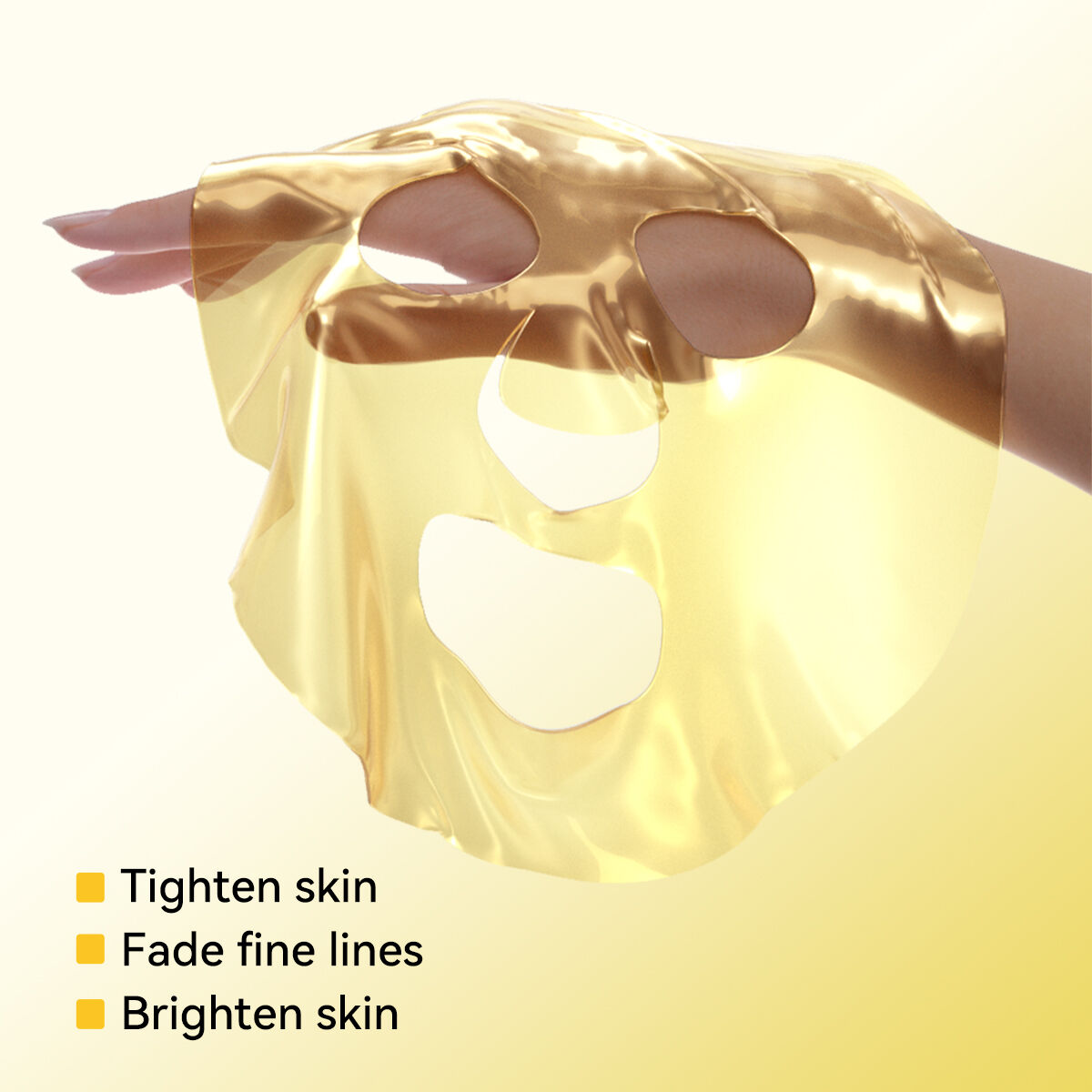
Choosing the right face mask for your specific skin concerns can transform your skincare routine from generic to targeted. With countless options flooding the beauty market, understanding which face masks address particular skin issues becomes crucial for achieving optimal results. The effectiveness of face masks lies not just in their ingredients, but in how well they match your skin's unique needs and concerns.
Different skin concerns require distinct approaches when selecting face masks. Whether you're dealing with acne, dryness, aging signs, hyperpigmentation, or sensitivity, the right mask can deliver concentrated treatment that complements your daily skincare regimen. Understanding the science behind various mask formulations helps you make informed decisions that lead to visible improvements in your skin's health and appearance.
Understanding Your Skin Type and Concerns
Identifying Primary Skin Concerns
Before selecting appropriate face masks, you must accurately identify your primary skin concerns. Common issues include acne and breakouts, which manifest as blackheads, whiteheads, and inflammatory lesions. Dry skin concerns involve flakiness, tightness, and lack of moisture retention. Signs of aging encompass fine lines, wrinkles, loss of elasticity, and uneven texture that develop over time.
Hyperpigmentation concerns include dark spots, melasma, and uneven skin tone caused by sun damage or post-inflammatory responses. Sensitive skin reactions involve redness, irritation, and adverse responses to certain ingredients. Oily skin concerns center around excess sebum production, enlarged pores, and shine throughout the day. Combination skin presents multiple concerns simultaneously, requiring balanced treatment approaches.
Assessing Skin Sensitivity Levels
Skin sensitivity significantly influences which face masks will work effectively without causing adverse reactions. Highly sensitive skin requires gentle formulations with minimal active ingredients and no known irritants. Moderately sensitive skin can tolerate mild active ingredients when introduced gradually and used infrequently.
Normal to resilient skin types can handle stronger active ingredients and more frequent mask applications. Testing new face masks on small skin areas before full application helps prevent widespread reactions. Understanding your sensitivity threshold prevents setbacks and ensures consistent progress toward your skincare goals.
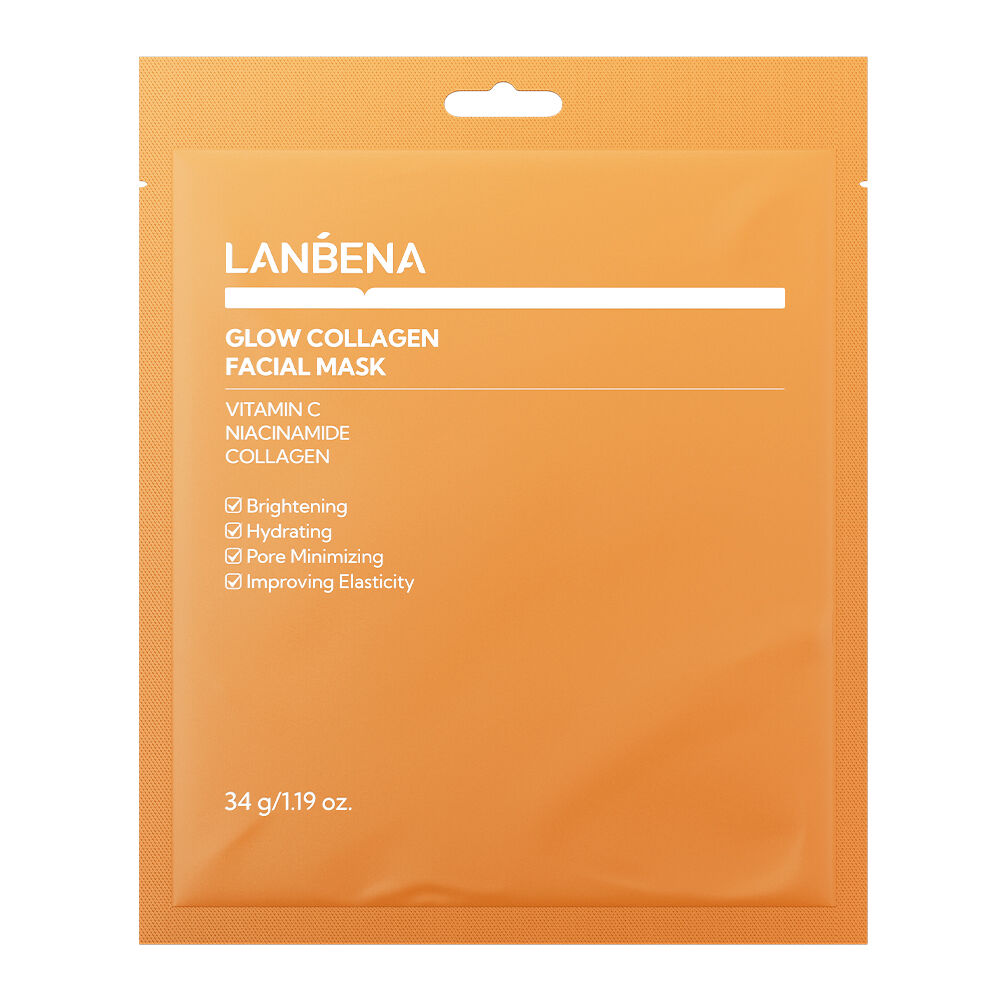
Face Masks for Acne and Blemish-Prone Skin
Clay-Based Purifying Masks
Clay face masks excel at treating acne-prone skin by absorbing excess oil and drawing impurities from pores. Bentonite clay provides powerful oil absorption while delivering minerals that support skin healing. Kaolin clay offers gentler purification suitable for sensitive acne-prone skin without over-drying.
French green clay combines detoxification properties with gentle exfoliation, helping clear congested pores effectively. These face masks work best when applied once or twice weekly to prevent over-drying while maintaining clear pores. The key lies in following clay treatments with appropriate moisturization to maintain skin barrier function.
Salicylic Acid Treatment Masks
Salicylic acid face masks penetrate oil-filled pores to dissolve comedones and prevent new breakouts from forming. These beta-hydroxy acid treatments exfoliate inside pores, unlike surface exfoliants that only address superficial concerns. Regular use helps maintain clearer skin by preventing pore blockages.
Concentration levels in face masks typically range from 0.5% to 2%, with higher percentages reserved for severe acne cases. Starting with lower concentrations allows skin tolerance to develop gradually. These specialized face masks complement other acne treatments while providing intensive care during breakout periods.
Hydrating and Nourishing Masks for Dry Skin
Hyaluronic Acid Intensive Masks
Hyaluronic acid face masks deliver intense hydration by attracting and binding moisture to skin cells. These powerful humectants can hold up to 1000 times their weight in water, making them exceptional for severely dehydrated skin. Sheet masks infused with hyaluronic acid provide sustained moisture delivery during application.
Cream-based hyaluronic acid masks offer longer contact time and deeper penetration compared to sheet varieties. Multiple molecular weights of hyaluronic acid in these face masks ensure both surface hydration and deeper moisture penetration. Regular use helps restore skin's natural moisture barrier and improves overall texture.
Ceramide and Lipid Repair Masks
Ceramide-rich face masks focus on repairing damaged moisture barriers that contribute to chronic dryness. These lipid molecules naturally occur in healthy skin and become depleted through aging and environmental damage. Replenishing ceramides through targeted mask treatments helps restore barrier function.
Cholesterol and fatty acids in these formulations work synergistically with ceramides to create comprehensive barrier repair. Overnight sleeping masks containing these ingredients provide extended treatment time for maximum benefit. These face masks prove particularly beneficial during harsh weather conditions that strip natural oils.
Anti-Aging and Firming Mask Solutions
Collagen-Boosting Treatment Masks
Collagen-stimulating face masks address visible signs of aging by promoting natural collagen production within skin cells. Peptide-infused formulations signal skin to increase collagen synthesis, improving firmness and reducing fine line appearance. These treatments work gradually over time with consistent use.
Marine collagen extracts in face masks provide amino acids that support skin structure while delivering immediate plumping effects. Hydrolyzed collagen molecules penetrate more effectively than larger protein structures. Regular application helps maintain skin elasticity and youthful appearance as natural collagen production declines with age.
Retinol and Vitamin A Derivative Masks
Vitamin A derivative face masks accelerate cell turnover to reveal fresher, younger-looking skin beneath surface layers. Retinol concentrations in masks provide controlled exposure to this powerful anti-aging ingredient. Time-released formulations minimize irritation while maximizing benefits.
Retinyl palmitate offers gentler vitamin A benefits suitable for sensitive skin types seeking anti-aging results. These face masks work best when used gradually, starting with once-weekly applications. Sun protection becomes essential when using vitamin A treatments, as increased cell turnover creates temporary photosensitivity.
Brightening Masks for Uneven Skin Tone
Vitamin C Radiance Masks
Vitamin C face masks combat hyperpigmentation while providing antioxidant protection against environmental damage. L-ascorbic acid offers the most potent brightening effects but requires stable formulations to maintain efficacy. Magnesium ascorbyl phosphate provides gentler vitamin C benefits with improved stability.
These brightening face masks work by inhibiting melanin production while promoting cellular regeneration. Regular use helps fade existing dark spots while preventing new discoloration from forming. Combining vitamin C masks with sun protection maximizes brightening results and prevents further pigmentation issues.
Niacinamide Even-Tone Masks
Niacinamide face masks regulate melanin transfer to surface skin cells, creating more uniform skin tone over time. This vitamin B3 derivative reduces inflammation that contributes to post-acne hyperpigmentation. Concentrations between 2% and 5% provide optimal results without irritation.
These versatile face masks also minimize pore appearance and regulate oil production simultaneously. Niacinamide's anti-inflammatory properties make these treatments suitable for sensitive skin prone to discoloration. Consistent use reveals gradual but significant improvements in overall skin clarity and evenness.
FAQ
How often should I use face masks for my specific skin concern?
The frequency of face mask application depends on your skin type and the specific concern being addressed. For acne-prone skin, clay masks can be used 1-2 times per week, while hydrating masks for dry skin can be applied 2-3 times weekly or even daily during severe dryness periods. Anti-aging masks typically work best with 2-3 weekly applications, while brightening masks should be used 1-2 times per week initially, then adjusted based on skin tolerance.
Can I use different types of face masks for multiple skin concerns?
Yes, you can address multiple skin concerns by using different face masks on alternating days or targeting specific areas with different products. For combination skin, apply oil-control masks to the T-zone while using hydrating masks on drier cheek areas. Allow at least 24 hours between different active ingredient masks to prevent irritation, and always introduce new products gradually to assess skin tolerance.
What should I do if a face mask causes irritation or breakouts?
If you experience irritation from face masks, immediately discontinue use and rinse your skin thoroughly with lukewarm water. Apply a gentle, fragrance-free moisturizer to calm the skin and avoid other active ingredients until irritation subsides. For breakouts, determine if they're purging reactions from active ingredients or true irritation by monitoring timing and location. Consult a dermatologist if severe reactions occur or if you're unsure about the cause.
How long does it take to see results from targeted face masks?
Results from face masks vary depending on the concern being treated and the specific ingredients used. Hydrating masks may show immediate plumping effects, while acne-fighting masks typically show improvement within 2-4 weeks of consistent use. Anti-aging and brightening face masks require 6-8 weeks of regular application to show visible results, as they work by promoting cellular regeneration and renewal processes that take time to manifest visibly.