
 EN
EN
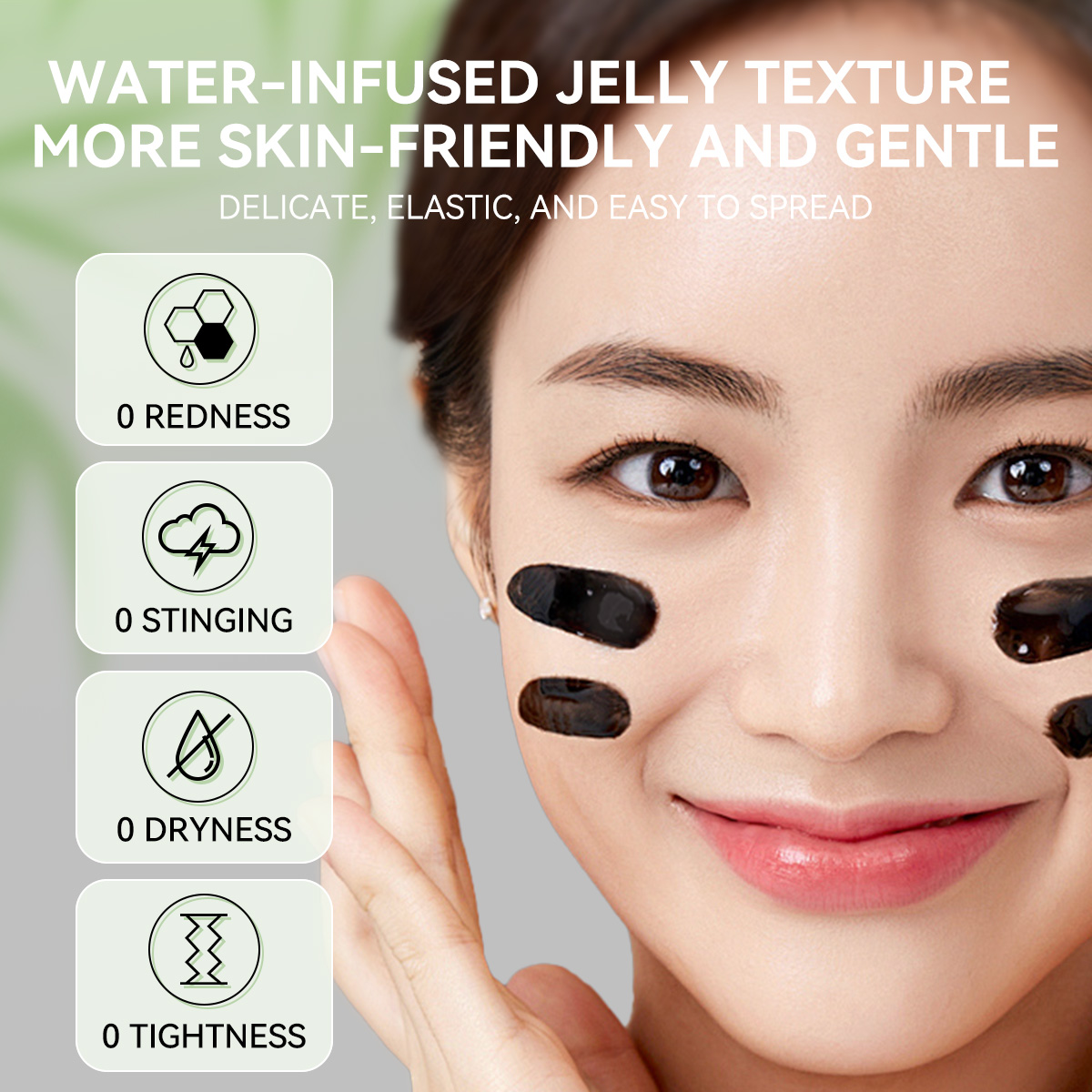
Choosing the right skin care serum can feel overwhelming when you are standing in front of two very different formulas — one promising deep hydration, the other targeting visible signs of aging. Both types deliver concentrated active ingredients, but they are designed to solve different skin concerns. Understanding what each skin care serum does and how it aligns with your current skin goals is the first step to making a confident choice. This guide breaks down the key differences so you can select the skin care serum that truly fits your needs.
Whether you are a skincare beginner or a seasoned enthusiast, the decision between a hydrating skin care serum and an anti-aging skin care serum is not always straightforward. Many people actually need both types at different stages of their routine or life. But knowing which skin care serum to prioritize — and when — can save you money, prevent ingredient conflicts, and deliver faster, more visible results. Let us walk through the core distinctions, ideal use cases, and practical decision criteria for choosing your next skin care serum.
What Each Type of Skin Care Serum Is Designed to Do
The Purpose of a Hydrating Skin Care Serum
A hydrating skin care serum is formulated primarily to replenish and lock moisture into the skin. The active ingredients in this type of skin care serum typically include humectants such as hyaluronic acid, glycerin, and aloe vera, which draw water molecules into the skin layers and hold them there. When your skin feels tight, dull, or flaky, a hydrating skin care serum helps restore the moisture barrier and improve overall texture. This skin care serum type works across all skin types, including oily skin, because proper hydration is a universal skin need regardless of sebum production. A well-formulated hydrating skin care serum can visibly plump the skin within hours of application, making it a fast-acting solution for immediate comfort and glow.
The Purpose of an Anti-Aging Skin Care Serum
An anti-aging skin care serum is formulated to address long-term structural changes in the skin, such as reduced collagen, loss of elasticity, hyperpigmentation, and fine lines. The active ingredients in this type of skin care serum often include retinol, niacinamide, peptides, vitamin C, and antioxidants that work at a cellular level to slow down or reverse visible aging signs. Unlike a hydrating skin care serum, which delivers results quickly, an anti-aging skin care serum requires consistent use over weeks or months before full benefits become visible. This skin care serum is especially effective for mature skin or for individuals in their late twenties and beyond who are starting to see early signs of aging. Niacinamide-based anti-aging skin care serums are particularly popular because they also offer brightening and pore-minimizing benefits alongside age-fighting properties.
How to Identify Which Skin Care Serum Your Skin Needs Now
Reading Your Skin Condition as a Signal
Your skin sends clear signals about which skin care serum it needs most urgently. If your skin looks dehydrated, feels tight after cleansing, or lacks luminosity, a hydrating skin care serum is the priority. These signs indicate that your moisture barrier is compromised and that no other skin care serum — no matter how powerful — will perform optimally on a dehydrated skin surface. On the other hand, if your skin is generally comfortable and well-moisturized but you are noticing fine lines, uneven tone, or loss of firmness, then an anti-aging skin care serum becomes the logical focus. Many dermatologists recommend establishing solid hydration first with a hydrating skin care serum before layering in an anti-aging skin care serum, because a healthy moisture barrier enhances the absorption and efficacy of active anti-aging ingredients.
Age and Lifestyle as Decision Factors
Age is a useful but not absolute guide for choosing a skin care serum. Younger users in their early twenties often benefit most from a hydrating skin care serum since hydration loss is their most common concern. Users in their late twenties and thirties may start to layer in an anti-aging skin care serum as preventative care, especially if they have significant sun exposure or a family history of early skin aging. For users over forty, an anti-aging skin care serum should typically be the cornerstone of their routine, complemented by a hydrating skin care serum to maintain moisture balance. Lifestyle factors such as climate, stress levels, and diet also influence which skin care serum provides the most benefit, as dry environments demand more hydration while urban pollution environments call for a stronger antioxidant-rich anti-aging skin care serum.
Combining Both Types of Skin Care Serum Effectively
Layering Logic for Maximum Results
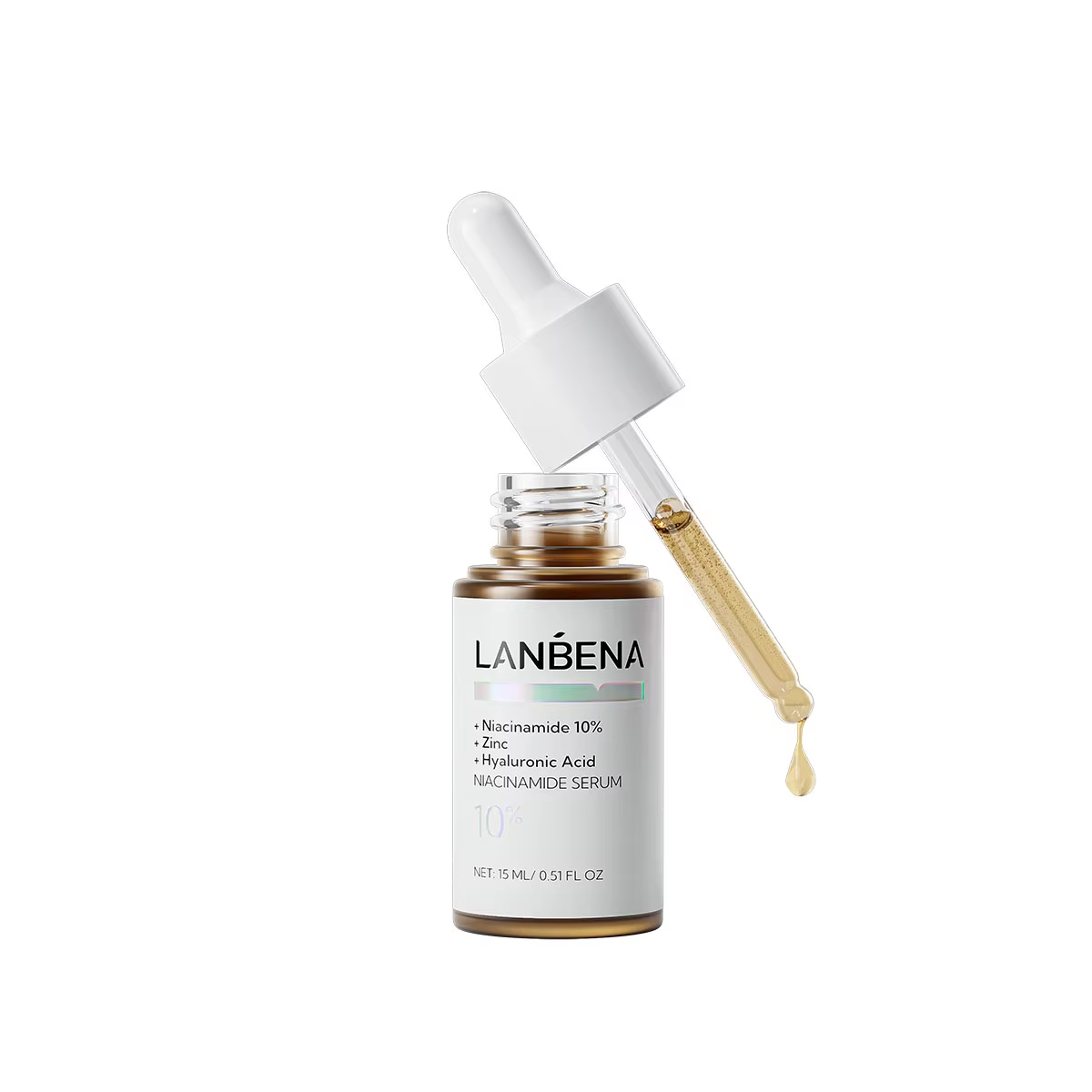
Many skincare experts and formulation specialists agree that using both a hydrating skin care serum and an anti-aging skin care serum in one routine is not only possible but often ideal. The standard approach is to apply the hydrating skin care serum first, as lighter water-based formulas should go on before heavier or more active ones. The hydrating skin care serum creates a moist base that helps the anti-aging skin care serum absorb more evenly and deeply. This layering technique ensures that each skin care serum performs its function without blocking the other. When shopping for a skin care serum that serves both purposes, look for multi-functional formulas — such as those combining niacinamide with hyaluronic acid — that deliver hydration and anti-aging benefits within a single, well-balanced skin care serum product.
Avoiding Common Formulation Conflicts
Not every skin care serum can be layered without potential conflict. Highly acidic skin care serum formulas, such as those containing AHAs or vitamin C, should not be mixed directly with retinol-based anti-aging skin care serum products as this can cause irritation or reduce efficacy. If you are using both types, it is better to separate them by time of day — applying the hydrating skin care serum in the morning and the anti-aging skin care serum at night. Reading the ingredient list of each skin care serum before layering helps prevent adverse reactions and ensures your skin receives the full benefit of each formula. A reliable skin care serum from a trusted formulation brand will typically include usage guidance to help you integrate it safely into your routine.
FAQ
Can I use a hydrating and an anti-aging skin care serum at the same time?
Yes, you can use both a hydrating skin care serum and an anti-aging skin care serum in the same routine. Apply the hydrating skin care serum first to prepare the moisture barrier, then follow with the anti-aging skin care serum. Check for ingredient compatibility to avoid any irritation between the two formulas.
Which skin care serum should a beginner start with?
Beginners are generally advised to start with a hydrating skin care serum, as it is gentle, universally suitable, and builds the foundation that makes any subsequent skin care serum more effective. Once your skin is well-hydrated and your barrier is healthy, you can introduce an anti-aging skin care serum gradually into your routine.
How long before a skin care serum shows visible results?
A hydrating skin care serum can show visible results such as improved plumpness and glow within hours or a few days of consistent use. An anti-aging skin care serum typically requires four to twelve weeks of regular application before significant changes in fine lines, firmness, or skin tone become noticeable. Consistency is key with any skin care serum.