
 EN
EN
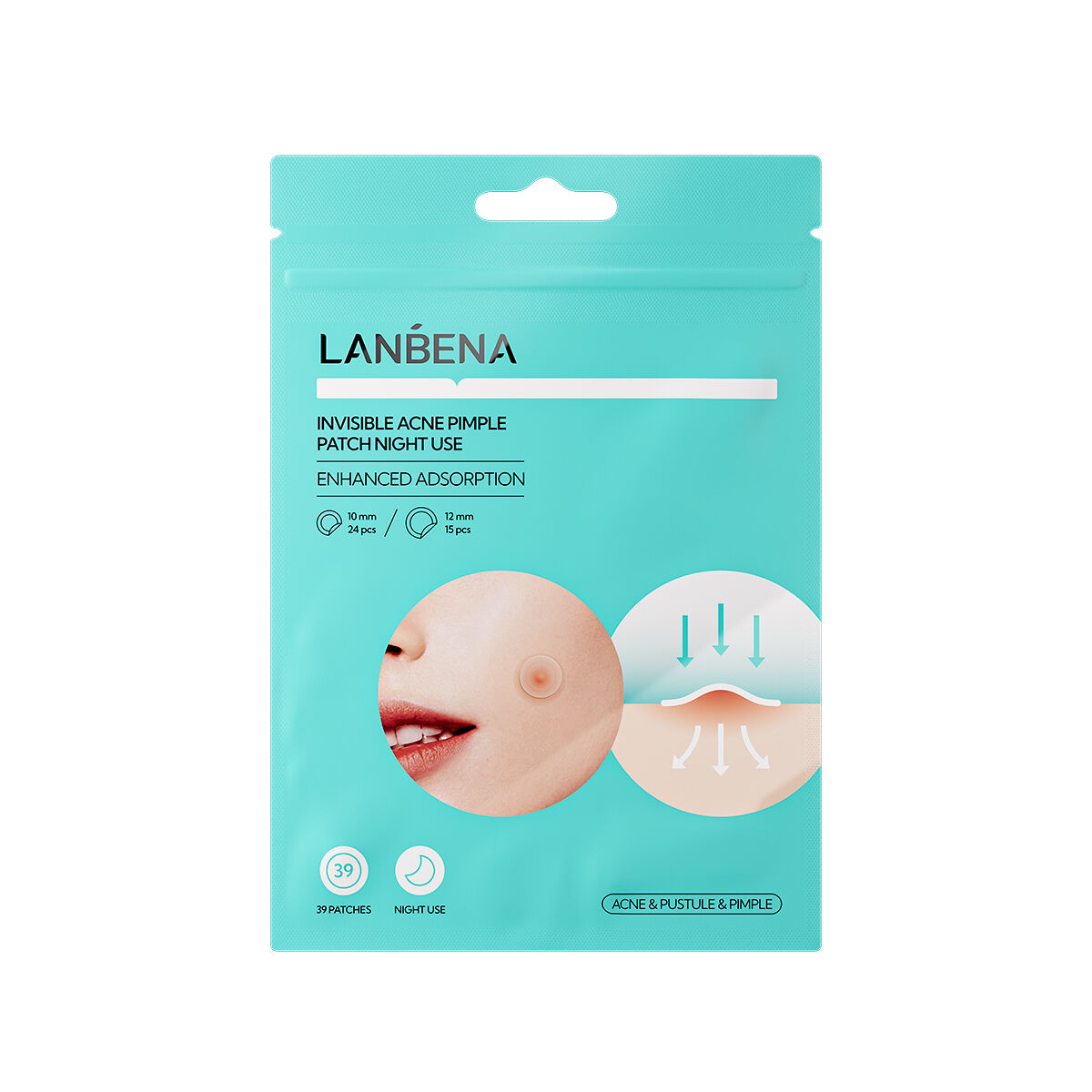
Dealing with unexpected breakouts can be frustrating, especially when you need your skin to look its best. A pimple patch offers an effective, targeted solution that helps reduce inflammation, extract impurities, and protect blemishes from further irritation. These innovative hydrocolloid patches have revolutionized acne treatment by providing a gentle yet powerful approach to managing individual pimples. Understanding the proper application technique is crucial for achieving optimal results and preventing potential skin damage. When used correctly, a pimple patch can significantly reduce healing time while minimizing the risk of scarring and post-inflammatory hyperpigmentation.
Understanding Hydrocolloid Technology
The Science Behind Pimple Patches
Hydrocolloid technology forms the foundation of modern pimple patch effectiveness. This advanced material creates a moist healing environment that promotes faster skin recovery while drawing out excess fluid and impurities from blemishes. The hydrocolloid material absorbs wound exudate, creating a gel-like barrier that protects the affected area from external contaminants. This protective seal prevents bacterial invasion while maintaining optimal moisture levels for cellular regeneration. Understanding this mechanism helps explain why proper application techniques are essential for maximizing the therapeutic benefits of each pimple patch.
Material Composition and Benefits
Premium hydrocolloid patches contain medical-grade materials that ensure biocompatibility with all skin types. The adhesive component provides secure attachment without causing excessive irritation or leaving residue upon removal. Many formulations incorporate additional active ingredients such as salicylic acid, tea tree oil, or niacinamide to enhance anti-inflammatory properties. The breathable nature of quality hydrocolloid material allows for proper air circulation while maintaining the sealed environment necessary for optimal healing. These carefully selected materials work synergistically to deliver consistent results across various skin conditions and acne severities.
Pre-Application Preparation Steps
Skin Cleansing and Preparation
Proper skin preparation significantly impacts the effectiveness of any pimple patch treatment. Begin by thoroughly cleansing the affected area with a gentle, non-comedogenic cleanser to remove surface oils, makeup residue, and environmental pollutants. Avoid using harsh scrubs or exfoliating agents immediately before application, as these can increase skin sensitivity and compromise patch adhesion. Pat the skin completely dry with a clean towel, ensuring no moisture remains on the surface. Any residual water or skincare products can interfere with proper patch adherence and reduce treatment efficacy.
Timing and Environmental Considerations
Optimal application timing plays a crucial role in maximizing pimple patch effectiveness. Evening application is generally preferred, as it allows for extended contact time without interference from daily activities or makeup application. Ensure the treatment environment has moderate humidity levels and comfortable temperature to prevent premature patch lifting or reduced adhesion. Avoid applying patches immediately after hot showers or steam treatments, as elevated skin temperature can affect adhesive properties. Allow the skin to return to normal temperature and moisture levels before proceeding with patch application for best results.
Step-by-Step Application Process
Patch Selection and Sizing
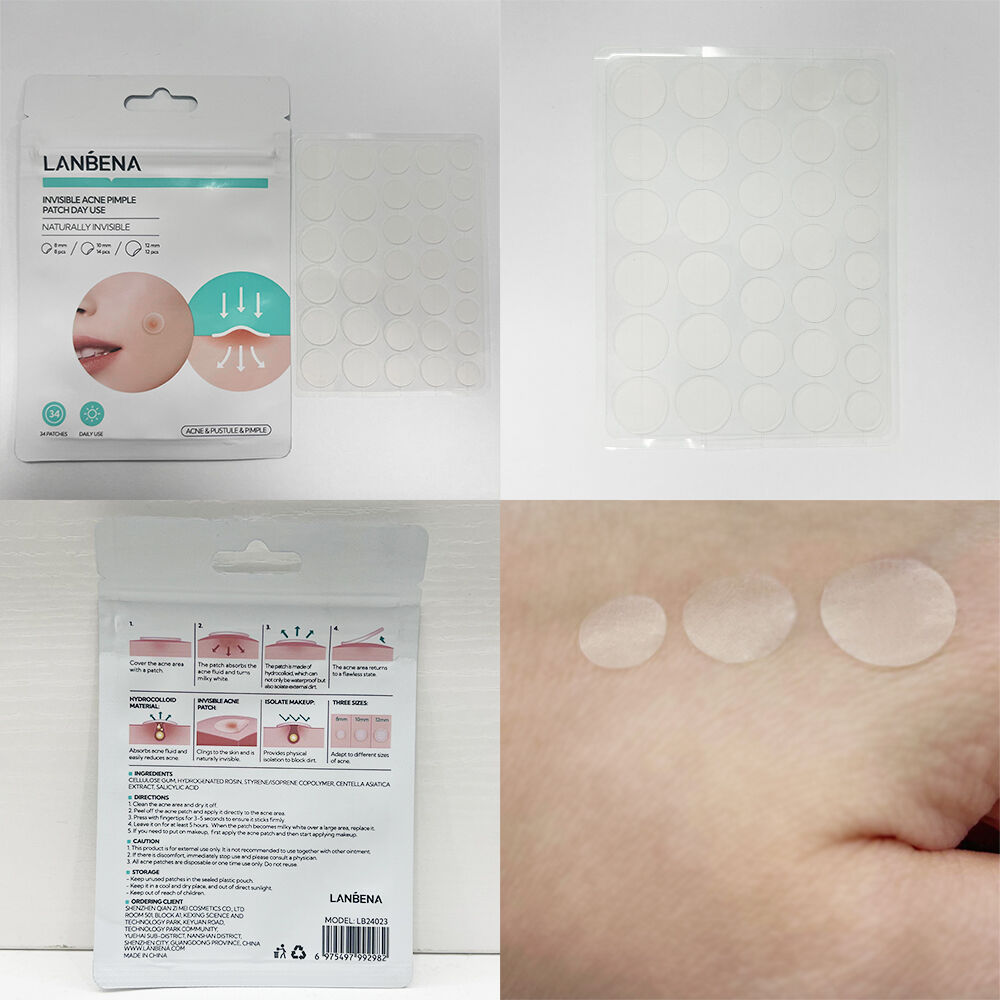
Selecting the appropriate pimple patch size ensures optimal coverage and adhesion around the affected area. Choose a patch that extends slightly beyond the blemish perimeter to create an effective seal while avoiding unnecessary contact with healthy skin. Smaller patches work best for individual whiteheads or small inflammatory lesions, while larger options suit more extensive breakouts or clustered blemishes. Consider the patch thickness as well, with thinner options providing more discrete wear under makeup and thicker variants offering enhanced absorption capacity. Proper sizing prevents gaps that could allow contaminants to enter the treated area.
Application Technique and Pressure
Remove the pimple patch from its backing using clean hands or sterile tweezers to avoid contamination. Center the patch directly over the blemish, ensuring complete coverage of the affected area without stretching or distorting the material. Apply gentle, even pressure starting from the center and working outward to eliminate air bubbles and ensure proper adhesion. Hold steady pressure for 10-15 seconds to activate the adhesive and create a secure seal. Avoid repeatedly pressing or adjusting the patch position, as this can compromise adhesive strength and reduce treatment effectiveness.
Maximizing Treatment Duration
Optimal Wear Time Guidelines
Determining the ideal wear time for each pimple patch depends on several factors including blemish severity, skin sensitivity, and patch absorption capacity. Most hydrocolloid patches perform optimally when worn for 6-8 hours, allowing sufficient time for fluid extraction without over-treating the area. Extended wear beyond 12 hours may lead to skin irritation or compromised patch integrity. Monitor the patch appearance during wear, as visible swelling or color changes indicate active fluid absorption. Remove and replace patches that become saturated or begin lifting at the edges to maintain treatment efficacy.
Activity Considerations During Wear
Certain activities can impact pimple patch performance and should be modified during treatment periods. Minimize facial touching, rubbing, or excessive facial expressions that could disturb patch positioning. When exercising or engaging in activities that promote sweating, consider using patches with enhanced adhesive formulations designed for active lifestyles. Avoid steam rooms, saunas, or prolonged hot showers while wearing patches, as excessive heat and moisture can compromise adhesion. Sleep positioning should also be considered, with back or side sleeping preferred to prevent patch displacement during rest periods.
Post-Application Care and Maintenance
Proper Removal Techniques
Gentle removal technique prevents skin irritation and maintains the integrity of the treated area. Begin by washing hands thoroughly before touching the pimple patch or surrounding skin. Slowly peel one corner of the patch while supporting the skin with your other hand to minimize tension. Remove the patch parallel to the skin surface rather than pulling straight up, which can cause unnecessary stretching. If resistance is encountered, apply a small amount of warm water to soften the adhesive before continuing removal. Avoid forceful pulling that could damage delicate healing tissue or cause micro-tears in the surrounding skin.
Post-Treatment Skin Assessment
Evaluate the treatment results immediately after pimple patch removal to determine the effectiveness and plan any follow-up care. Look for signs of fluid extraction, reduced inflammation, or changes in blemish appearance that indicate successful treatment. Document any improvements in size, redness, or tenderness to track healing progress over multiple applications. If the patch appears saturated with extracted fluid, this indicates successful treatment and suggests the area is responding well to hydrocolloid therapy. Note any signs of irritation, increased redness, or adverse reactions that might require modified application techniques or alternative treatment approaches.
Common Application Mistakes to Avoid
Adhesion and Contamination Issues
Several common mistakes can significantly reduce pimple patch effectiveness and potentially worsen existing skin conditions. Applying patches to damp or oily skin creates adhesion problems that lead to premature lifting and reduced contact time. Using dirty hands or contaminated tools during application introduces bacteria that can exacerbate inflammation and delay healing. Touching or adjusting patches repeatedly after application compromises sterility and weakens adhesive bonds. Overlapping multiple patches or applying them to broken or severely irritated skin can cause additional trauma and impede natural healing processes.
Timing and Frequency Errors
Improper timing and frequency of pimple patch applications can reduce treatment effectiveness or cause skin sensitivity. Applying patches immediately after using active skincare ingredients like retinoids, acids, or benzoyl peroxide can increase irritation risk and compromise patch adhesion. Using patches too frequently on the same area without allowing recovery time can lead to skin sensitization or contact dermatitis. Removing patches too early prevents adequate fluid extraction, while leaving them too long can cause maceration or adhesive-related irritation. Establishing a consistent routine with appropriate intervals between applications optimizes healing while minimizing adverse effects.
Skin Type Considerations and Customization
Sensitive Skin Adaptations
Individuals with sensitive skin require modified pimple patch application techniques to prevent irritation while maintaining treatment effectiveness. Choose patches specifically formulated for sensitive skin with gentler adhesives and hypoallergenic materials. Conduct a patch test on a small, inconspicuous area before full facial application to identify potential allergic reactions or sensitivities. Reduce initial wear times to 4-6 hours while monitoring skin response, gradually increasing duration as tolerance develops. Apply a thin layer of barrier cream around the patch perimeter to protect surrounding healthy skin from adhesive contact. Consider alternating treatment days to allow skin recovery between applications.
Oily and Acne-Prone Skin Optimization
Oily skin types often experience enhanced pimple patch effectiveness due to increased sebum production and larger pore sizes that facilitate extraction. Pre-treat the application area with a gentle astringent or toner to remove excess oils without over-drying the skin. Select patches with stronger adhesive formulations designed to maintain contact despite increased sebum production. Consider using patches with integrated active ingredients like salicylic acid that complement natural oil control efforts. Multiple patch applications may be necessary for severe or cystic acne, but ensure adequate spacing between treated areas to prevent excessive drying or irritation.
Advanced Application Strategies
Combination Therapy Approaches
Integrating pimple patch treatments with complementary skincare approaches can enhance overall results while addressing multiple aspects of acne management. Coordinate patch applications with gentle exfoliation routines, ensuring adequate time between treatments to prevent over-processing. Use hydrating serums or moisturizers after patch removal to support skin barrier function and promote healing. Consider incorporating anti-inflammatory ingredients like niacinamide or centella asiatica in your routine to complement the patch's therapeutic effects. Schedule patch applications around other active treatments, allowing proper intervals to prevent ingredient interactions or increased sensitivity.
Preventive and Maintenance Protocols
Develop comprehensive protocols that extend beyond acute pimple patch treatments to prevent future breakouts and maintain skin health. Establish regular cleansing routines that support patch effectiveness while maintaining overall skin balance. Create treatment schedules that account for hormonal fluctuations, stress levels, and lifestyle factors that influence acne development. Monitor skin changes and adjust patch application frequency based on seasonal variations or environmental factors. Maintain detailed records of treatment responses to identify patterns and optimize long-term management strategies for sustained skin clarity.
FAQ
How long should I leave a pimple patch on for maximum effectiveness
The optimal wear time for a pimple patch is typically 6-8 hours, though this can vary depending on the severity of the blemish and your skin's response. Most patches reach peak absorption capacity within this timeframe, effectively drawing out impurities and excess fluid. Leaving patches on longer than 12 hours may cause skin irritation or maceration, while removing them too early prevents adequate extraction. Monitor the patch during wear - when it appears white or swollen, it indicates successful fluid absorption and can be removed.
Can I apply makeup over a pimple patch
Yes, you can apply makeup over thinner hydrocolloid patches, though this requires careful technique to avoid disturbing the seal. Use gentle patting motions with makeup sponges or brushes rather than rubbing or dragging motions. Apply foundation around the patch edges first, then lightly pat product over the center. Powder products generally work better than liquid formulations for patch coverage. However, makeup application may reduce patch effectiveness by creating barriers that interfere with absorption, so consider using patches during makeup-free periods when possible.
What should I do if the pimple patch causes skin irritation
If you experience irritation from a pimple patch, remove it immediately and gently cleanse the area with lukewarm water and a mild cleanser. Apply a soothing, fragrance-free moisturizer or aloe vera gel to calm inflammation. Avoid using patches on that area for at least 24-48 hours to allow skin recovery. For future applications, try patches with gentler adhesives designed for sensitive skin, reduce wear time, or conduct patch tests on less visible areas first. Persistent irritation may indicate an allergic reaction requiring discontinuation of the product.
How many times can I reuse the same pimple patch
Pimple patches are designed for single-use only and should never be reused due to hygiene and effectiveness concerns. Once removed, patches contain absorbed impurities, bacteria, and cellular debris that make them unsuitable for reapplication. The adhesive properties also deteriorate after initial use, preventing proper seal formation. Attempting to reuse patches can introduce contaminants to treated areas, potentially worsening acne or causing infections. Always use fresh patches for each treatment session and dispose of used patches immediately after removal to maintain optimal hygiene standards.