
 EN
EN
Achieving radiant, healthy skin requires more than just a basic cleansing routine. While daily skincare practices form the foundation of skin health, incorporating a face mask into your regimen can elevate your results significantly. However, the critical question that puzzles many skincare enthusiasts is determining the optimal frequency for face mask application. Understanding how often to use a face mask depends on multiple factors including your skin type, the specific formulation of the mask, your skin concerns, and your overall skincare goals. This comprehensive guide explores the science-backed approach to face mask frequency, helping you maximize benefits while avoiding potential skin barrier disruption or irritation.
The frequency of face mask application directly impacts your skin's ability to absorb beneficial ingredients, maintain proper hydration levels, and sustain a healthy barrier function. Overuse can lead to sensitization, excessive dryness, or paradoxically increased oil production, while underuse may result in missed opportunities for targeted treatment and enhanced skin vitality. By establishing a scientifically informed face mask schedule tailored to your unique skin profile, you can achieve optimal skin health without compromising your skin's natural protective mechanisms. This article provides actionable guidance on creating a personalized face mask routine that delivers visible improvements in texture, tone, and overall complexion quality.
Understanding Face Mask Categories and Their Usage Frequencies
Clay and Purifying Face Mask Formulations
Clay-based face mask products work through adsorption mechanisms, drawing out impurities, excess sebum, and environmental pollutants from pores. These formulations typically contain kaolin, bentonite, or French green clay as primary active ingredients. For individuals with oily or combination skin types, using a clay face mask once or twice weekly provides optimal pore-cleansing benefits without over-stripping the skin's natural oils. Those with normal skin may benefit from weekly application, while sensitive or dry skin types should limit clay face mask use to once every ten to fourteen days to prevent excessive dryness and barrier disruption.
The purifying action of clay face mask treatments makes them particularly valuable during periods of increased sebum production, such as hormonal fluctuations or humid weather conditions. However, consistent overuse can trigger reactive sebum production as the skin attempts to compensate for perceived moisture loss. Pay attention to post-application skin feel; if tightness persists beyond thirty minutes or if flaking occurs, reduce frequency. Applying a lightweight hydrating serum immediately after removing a clay face mask helps restore moisture balance and supports barrier recovery.
Hydrating and Nourishing Face Mask Types
Hydrating face mask formulations typically feature humectants like hyaluronic acid, glycerin, or botanical extracts that attract and bind water molecules to the skin's surface. These gentle formulations can be used more frequently than their clay-based counterparts, with most dermatologists recommending two to three applications per week for dry or dehydrated skin types. Normal to combination skin may benefit from twice-weekly hydrating face mask sessions, while oily skin can still benefit from weekly hydration-focused treatments to prevent dehydration-related compensatory oil production.
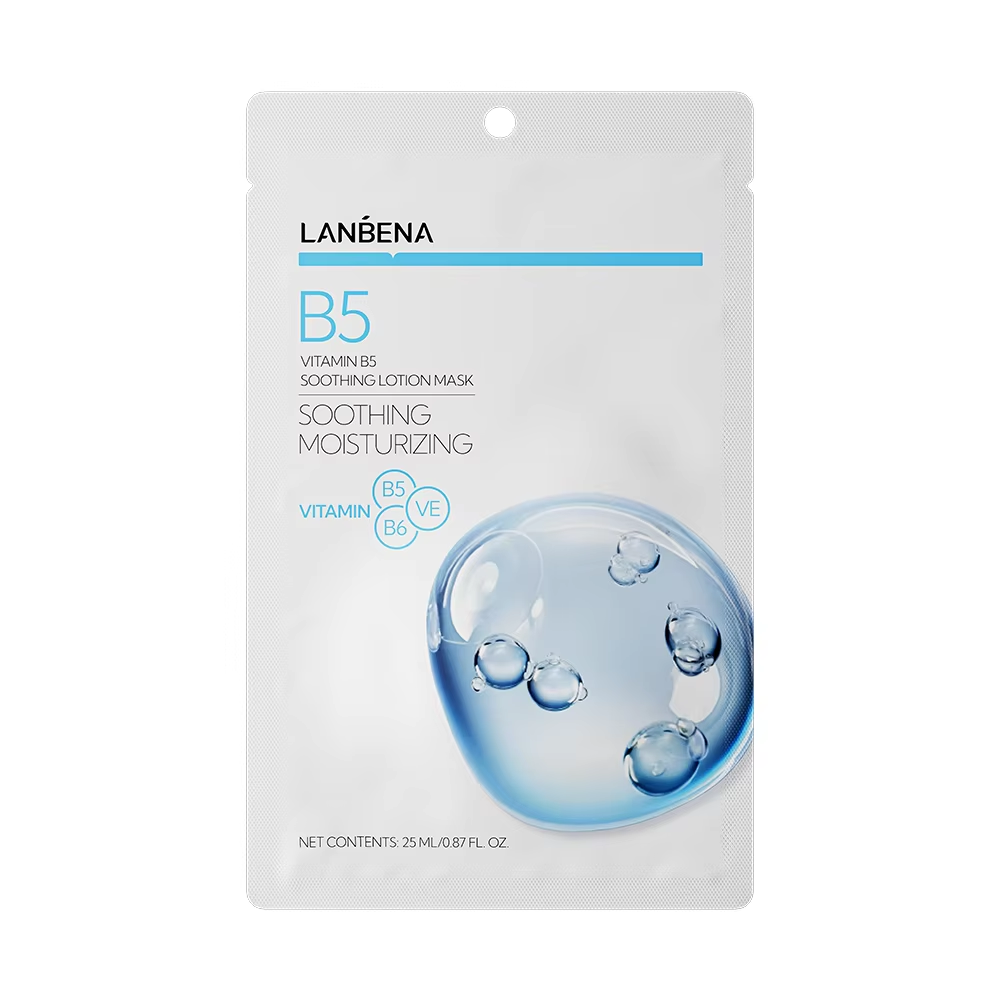
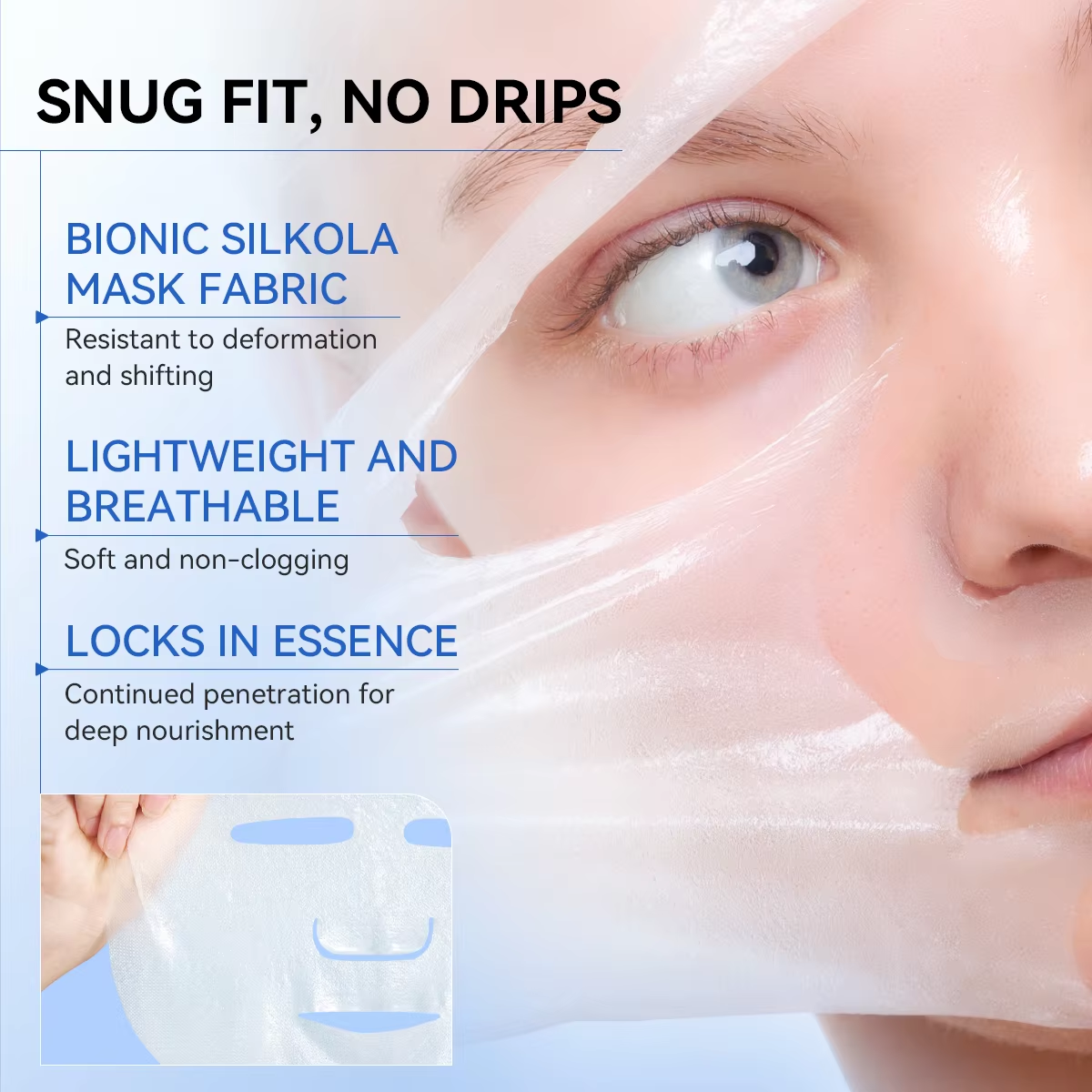
Sheet face mask variants, which deliver concentrated hydrating serums through occlusive fabric backing, can be used even more liberally. Many skincare professionals suggest that sheet face mask applications can occur three to four times weekly during periods of environmental stress, travel, or seasonal dryness. The key advantage of hydrating face mask products is their low risk profile; they rarely cause irritation or barrier disruption when used at higher frequencies. However, individuals with fungal acne or very oily skin should monitor for any occlusion-related breakouts and adjust frequency accordingly.
Exfoliating Face Mask Applications
Chemical exfoliating face mask products containing alpha hydroxy acids, beta hydroxy acids, or enzymatic ingredients require the most careful frequency management. These formulations accelerate cellular turnover by dissolving the bonds between dead skin cells, revealing fresher skin beneath. For most skin types, using an exfoliating face mask once weekly provides sufficient renewal benefits without risking over-exfoliation. Those with resilient, thicker skin or visible signs of photoaging may gradually increase to twice-weekly applications after building tolerance over several weeks.
Sensitive skin, rosacea-prone skin, or those new to chemical exfoliation should begin with once every two weeks, carefully observing for any signs of irritation such as persistent redness, stinging, or increased sensitivity. Never use an exfoliating face mask on the same day as other exfoliating treatments, including retinoids, prescription acids, or physical scrubs. This layering dramatically increases the risk of barrier damage, leading to compromised skin health. When incorporating an exfoliating face mask into your routine, always follow with appropriate sun protection during daytime hours, as these treatments can temporarily increase photosensitivity.
Customizing Face Mask Frequency Based on Skin Type
Optimal Face Mask Schedules for Oily and Acne-Prone Skin
Individuals with oily or acne-prone skin often benefit from a strategic combination of face mask types applied at specific intervals. A balanced approach might include a clay or purifying face mask once weekly to address excess sebum and congestion, paired with a hydrating face mask mid-week to prevent dehydration-induced oil rebound. This dual-action strategy addresses both excess oil and underlying hydration needs without overwhelming the skin. During active breakout periods, spot-treating affected areas with a clay face mask while applying hydrating formulations to unaffected zones can provide targeted benefits.
Salicylic acid-based face mask products offer particular value for acne-prone skin due to their lipophilic nature, allowing penetration into sebum-filled pores. However, these should not exceed once-weekly application initially, with gradual increase to twice weekly only if tolerance is established and no irritation occurs. Avoid using multiple active face mask types on the same day, as this combination can compromise the skin barrier and potentially worsen acne through irritation-induced inflammation. Monitor for signs of over-treatment, including increased sensitivity, persistent dryness, or paradoxically worsening breakouts, all of which signal the need to reduce face mask frequency.
Face Mask Protocols for Dry and Mature Skin
Dry and mature skin types require face mask routines emphasizing hydration, nourishment, and barrier support rather than deep cleansing or aggressive exfoliation. These individuals can safely use hydrating or nourishing face mask formulations two to three times weekly without risk of adverse effects. Collagen-infused, ceramide-rich, or peptide-containing face mask products provide particular benefits for addressing fine lines, loss of firmness, and compromised barrier function common in mature skin.
For dry skin, limiting clay or purifying face mask use to once monthly or eliminating them entirely often proves beneficial, as these formulations can exacerbate existing dryness. Instead, focus on cream-based, overnight, or bio-cellulose face mask types that deliver intensive moisture and lipid support. During winter months or in low-humidity environments, some individuals with very dry skin may benefit from nightly hydrating face mask applications for short periods to combat severe dehydration. Mature skin showing signs of photodamage may incorporate a gentle enzymatic face mask every two weeks to promote cellular renewal without the harshness of chemical acids, always followed by robust moisturization and sun protection.
Balanced Face Mask Approach for Normal and Combination Skin
Normal to combination skin types enjoy the greatest flexibility in face mask frequency and variety, as their balanced baseline allows experimentation without significant risk of adverse reactions. A well-rounded routine might include a clay face mask on the T-zone weekly to manage occasional oiliness, a hydrating face mask twice weekly for overall moisture support, and a gentle exfoliating face mask every ten to fourteen days to maintain radiance and smooth texture. This varied approach addresses the multiple minor concerns typical of combination skin without overemphasizing any single treatment modality.
Multi-masking techniques, where different face mask formulations are applied simultaneously to different facial zones, work particularly well for combination skin. Apply a purifying face mask to areas prone to congestion while using a hydrating face mask on drier cheek areas. This customized approach optimizes benefits across varying skin needs within a single session. Those with truly normal skin, experiencing neither excessive oiliness nor dryness, can maintain skin health with a simple rotation of one purifying and one hydrating face mask weekly, reserving exfoliating treatments for monthly or bi-monthly application.
Timing and Methodology for Maximum Face Mask Effectiveness
Optimal Application Duration for Different Face Mask Types
The duration of face mask application significantly influences both efficacy and safety. Clay-based face mask products should remain on skin for eight to twelve minutes maximum, as prolonged wear can cause excessive dryness and potential barrier damage. The mask should be removed while still slightly damp rather than allowing complete drying, which can draw moisture from the skin itself. Hydrating face mask formulations can typically remain on skin for fifteen to twenty minutes, allowing sufficient time for humectants to attract and bind moisture without risk of adverse effects.
Exfoliating face mask products require careful timing based on acid concentration and skin tolerance. Gentle formulations may be left for ten to fifteen minutes, while higher-concentration products should be limited to five to eight minutes, particularly during initial applications. Always follow manufacturer guidelines as baseline recommendations, but remain attentive to personal tolerance signals. If tingling progresses to burning or if significant redness develops before the recommended time elapses, remove the face mask immediately. Overnight face mask products designed for extended wear contain occlusive agents that prevent trans-epidermal water loss during sleep, making them suitable for six to eight hour application periods.
Pre-Treatment Preparation for Enhanced Face Mask Absorption
Proper skin preparation dramatically enhances face mask efficacy by removing surface barriers that impede active ingredient penetration. Begin with thorough cleansing using a gentle, pH-balanced cleanser to remove makeup, sunscreen, and environmental debris. For deeper cleansing before a purifying face mask, consider a double-cleanse method, particularly if wearing heavy cosmetics or mineral sunscreen. Slightly damp skin provides an optimal canvas for face mask application, as residual water helps distribute product evenly and can enhance humectant function in hydrating formulations.
Some skincare professionals recommend gentle exfoliation before applying treatment-focused face mask products to maximize active ingredient absorption. However, this pre-treatment should only occur when not using an exfoliating face mask itself, and should utilize mild methods such as a soft washcloth or low-concentration exfoliating cleanser. Avoid aggressive scrubbing or combining multiple exfoliation methods, as this increases irritation risk. For sensitive skin, eliminate pre-mask exfoliation entirely and rely solely on the face mask treatment itself. Ensuring the skin is neither dripping wet nor completely dry creates ideal conditions for even face mask distribution and optimal ingredient delivery.
Post-Application Care to Lock in Face Mask Benefits
The skincare steps immediately following face mask removal significantly impact long-term results. After removing a clay or purifying face mask, apply a balancing toner to restore optimal pH levels and prepare skin for subsequent products. Follow with a lightweight hydrating serum containing ingredients like hyaluronic acid or niacinamide to replenish moisture and support barrier recovery. Seal these water-based products with an appropriate moisturizer matched to your skin type, ensuring active ingredients remain in contact with skin rather than evaporating into the environment.
Following exfoliating face mask treatments, skin requires additional barrier support and protection. Apply a calming serum containing ingredients like centella asiatica, allantoin, or beta-glucan to reduce any treatment-related inflammation. Use a richer moisturizer than typical for your skin type to support the temporarily compromised barrier, and always apply broad-spectrum sunscreen the following morning, as chemical exfoliation increases photosensitivity. After hydrating face mask applications, you may apply a lighter moisturizer or simply massage any remaining serum into the skin, as these formulations leave skin well-hydrated without requiring extensive post-treatment care. Proper post-face mask care extends treatment benefits and prevents the compromised barrier function that can result from insufficient moisture barrier restoration.
Recognizing and Responding to Face Mask Overuse Signals
Physical Indicators of Excessive Face Mask Frequency
Understanding the warning signs of face mask overuse allows timely adjustment before significant skin damage occurs. Persistent tightness lasting more than one hour after face mask removal indicates excessive moisture loss or barrier disruption. Increased skin sensitivity manifesting as stinging or burning when applying normally well-tolerated products suggests compromised barrier function requiring immediate frequency reduction. Visible flaking or peeling, particularly when not using intentional exfoliating treatments, demonstrates that current face mask frequency exceeds the skin's renewal capacity.
Paradoxical increases in oiliness despite regular use of purifying face mask products often indicates reactive sebum production triggered by excessive cleansing. Similarly, new breakouts appearing in previously clear areas may result from barrier compromise allowing bacterial penetration or irritation-induced inflammation rather than inadequate cleansing. Redness persisting beyond thirty minutes post-application, especially when accompanying heat sensation or visible capillary dilation, suggests inflammatory response to overly frequent or aggressive face mask use. Any of these symptoms warrant immediate reduction in face mask frequency, potentially eliminating all active treatments temporarily while focusing on barrier repair through gentle cleansing and robust moisturization.
Adjusting Face Mask Routines Based on Skin Response
Responsive adjustment of face mask frequency based on ongoing skin observations ensures optimal results without adverse effects. If experiencing any overuse symptoms, immediately reduce frequency by half and simplify to hydrating face mask formulations exclusively until skin recovers. Once normal skin function returns, typically within one to two weeks, gradually reintroduce other face mask types one at a time, allowing two to three weeks to assess tolerance before adding additional treatments. This systematic approach identifies specific problematic products or frequencies without overwhelming recovering skin.
Seasonal adjustments to face mask routines accommodate changing environmental conditions affecting skin behavior. During winter months, reduce purifying and exfoliating face mask frequency while increasing hydrating treatments to counter low-humidity conditions. Summer may allow slightly more frequent purifying face mask use to address heat-induced sebum production, while maintaining consistent hydration support. Travel, stress, hormonal fluctuations, and illness all temporarily alter optimal face mask frequency requirements. During these periods, favor gentle hydrating face mask formulations while reducing or eliminating active treatments until normal conditions resume. Maintaining a skincare journal documenting face mask types, frequencies, and observed skin responses enables pattern recognition and increasingly precise routine optimization over time.
Integrating Face Mask Treatments with Comprehensive Skincare Routines
Face mask frequency must be considered within the context of your complete skincare regimen rather than in isolation. If using prescription retinoids, combining them with frequent exfoliating face mask treatments dramatically increases irritation risk and barrier compromise. Similarly, daily vitamin C serums, chemical exfoliating toners, or other active treatments all contribute to total skin stress load. When incorporating multiple active ingredients, reduce face mask frequency accordingly to prevent cumulative irritation. A general principle suggests using no more than one exfoliating treatment type per week when combining various active skincare products.
Strategic scheduling prevents conflicting treatments from occurring on the same day. Designate specific days for face mask applications, ensuring they do not coincide with retinoid use, other exfoliating treatments, or professional procedures like chemical peels or microneedling. Allow at least forty-eight hours between different active treatments to permit adequate skin recovery. On face mask days, simplify the remainder of your routine to gentle cleansing and basic moisturization, reserving serums and treatment products for non-mask days. This approach distributes active ingredient exposure across the week while providing recovery periods, ultimately achieving better results than intensive daily treatment that compromises barrier function and reduces product tolerance.
FAQ
Can I use different face mask types on the same day?
Using multiple face mask types on the same day is generally not recommended, particularly when combining active formulations like exfoliating and clay masks. This combination significantly increases the risk of barrier disruption, excessive dryness, and irritation. However, multi-masking with different face mask formulations applied simultaneously to different facial zones based on varying needs is acceptable. For example, applying a clay face mask to the oily T-zone while using a hydrating face mask on drier cheek areas provides targeted treatment without overwhelming any single area. If you wish to use different face mask types sequentially, separate them by at least three to four days, and never combine two exfoliating or purifying formulations on the same day regardless of application timing.
How do I know if my face mask frequency is appropriate for my skin?
Appropriate face mask frequency is indicated by visible improvements in skin concerns without accompanying negative symptoms. Your skin should appear brighter, more even-toned, and properly hydrated between applications. Texture should gradually improve, and any targeted concerns like congestion or dryness should show progressive reduction. If you experience persistent tightness, increased sensitivity, new breakouts, flaking, or redness, your current frequency exceeds your skin's tolerance. Optimal face mask routines produce cumulative benefits over weeks without causing daily discomfort or requiring extensive recovery periods. Start conservatively with once-weekly application, carefully observing skin response for two to three weeks before considering frequency increases. Gradual adjustment based on observed results always proves safer than aggressive initial routines.
Should I change my face mask frequency as I age?
Face mask frequency should evolve alongside age-related skin changes to address shifting needs and altered tolerance levels. As skin matures, barrier function naturally declines, sebum production decreases, and cellular turnover slows, requiring adjusted treatment approaches. Mature skin typically benefits from reduced purifying and exfoliating face mask frequency, as these formulations can exacerbate dryness and sensitivity in already compromised barriers. Conversely, hydrating and nourishing face mask applications may increase to two or three times weekly to combat age-related moisture loss. Collagen-stimulating, firming, and antioxidant-rich face mask formulations become increasingly valuable with age. Regular reassessment of face mask routines every few years ensures continued alignment with current skin conditions rather than maintaining approaches suited to younger skin with different characteristics and needs.
Do professional face mask treatments affect my at-home frequency?
Professional facial treatments that include face mask applications definitely impact appropriate at-home frequency, as they typically deliver more concentrated formulations with enhanced penetration. Following a professional treatment, reduce or eliminate at-home face mask use for at least one week to allow skin adequate recovery time. Professional extractions, chemical peels, or intensive exfoliating treatments particularly warrant extended breaks from home exfoliating face mask products, potentially requiring two to three week pauses. After the recovery period, resume home face mask treatments gradually, starting with hydrating formulations before reintroducing active treatments. Communicate with your skincare professional about coordinating home and professional care to prevent over-treatment. Many practitioners recommend adjusting home face mask frequency to once weekly or every two weeks when receiving monthly professional treatments, ensuring cumulative treatment load remains within safe parameters while maximizing overall skincare results.