
 EN
EN
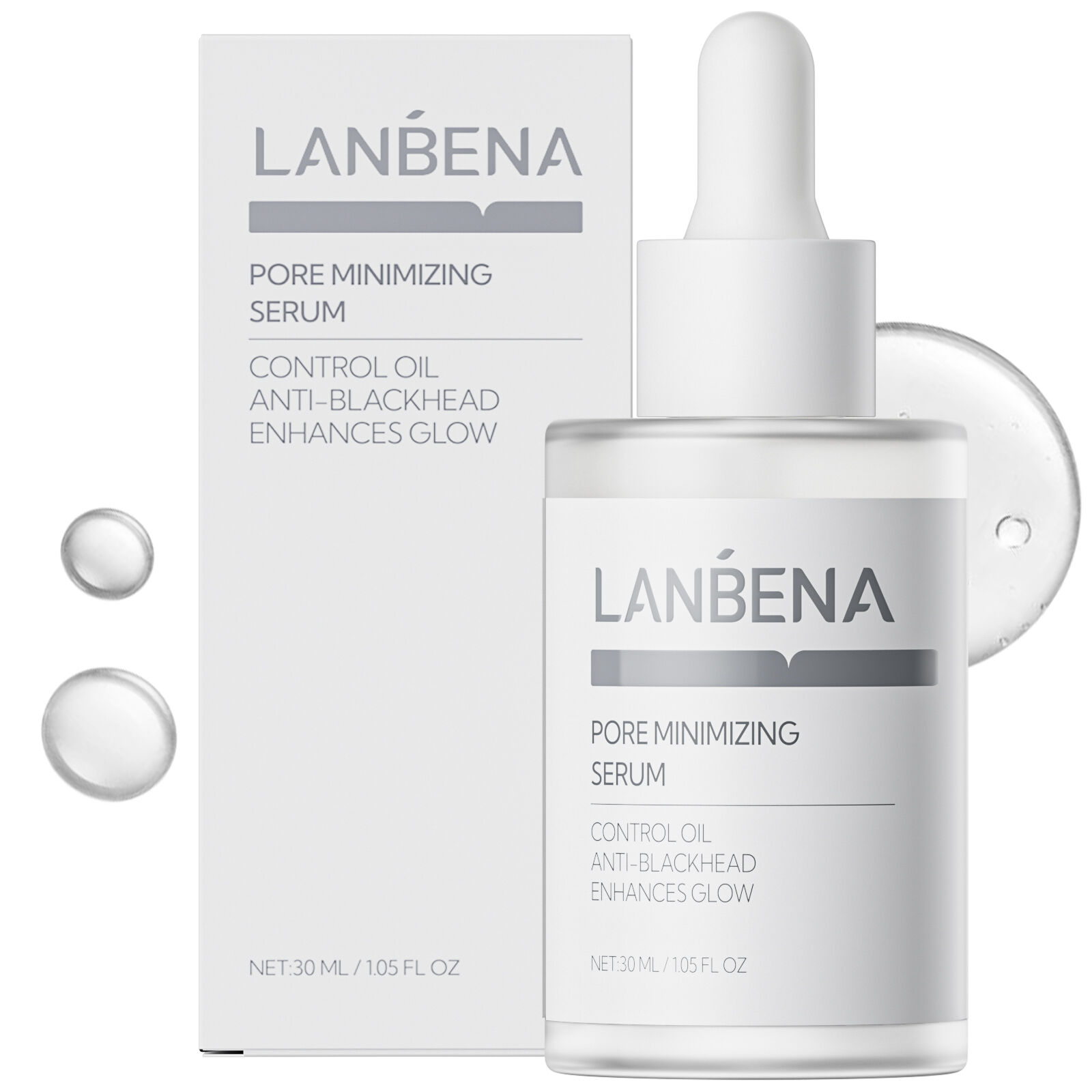
Large pores represent one of the most persistent skincare concerns affecting millions of individuals worldwide, creating an uneven skin texture that can diminish confidence and complicate makeup application. The quest for smoother, more refined skin has led many to explore specialized treatments, with pore reducing serum emerging as a promising solution. These concentrated formulations target the underlying factors contributing to enlarged pore appearance, offering hope for those seeking visible improvements in skin texture and overall complexion quality.
Understanding how pores function and why they become enlarged provides essential insight into effective treatment approaches. Pores serve as openings for hair follicles and sebaceous glands, facilitating the natural release of oils and cellular debris from beneath the skin surface. When these openings become clogged or stretched due to excessive oil production, accumulated dead skin cells, or reduced skin elasticity, they appear more prominent and noticeable.
Understanding Pore Structure and Enlargement Mechanisms
Biological Foundation of Pore Formation
Pores represent complex structures within the skin's architecture, serving multiple physiological functions while significantly impacting aesthetic appearance. Each pore connects to a hair follicle and associated sebaceous gland, creating a pathway for natural oil secretion and cellular renewal processes. The size and visibility of these openings depend on various factors including genetics, age, skin type, and environmental influences that affect their structural integrity over time.
The dermis layer contains collagen and elastin fibers that provide structural support around each pore opening, maintaining their shape and preventing excessive dilation. As individuals age, these supportive proteins naturally decline, leading to reduced skin firmness and increased pore visibility. Additionally, chronic sun exposure accelerates this degradation process, contributing to premature pore enlargement and overall skin texture deterioration.
Contributing Factors to Pore Enlargement
Multiple interconnected factors contribute to the development of enlarged pores, creating a complex challenge that requires comprehensive treatment approaches. Excessive sebum production, particularly common in individuals with oily or combination skin types, can stretch pore openings over time as accumulated oils create pressure within the follicular structure. This mechanical stretching effect becomes more pronounced when combined with inadequate cleansing routines that allow debris accumulation.
Hormonal fluctuations play a significant role in pore size variation, with androgens stimulating increased oil production that directly impacts pore appearance. Women may notice changes in pore visibility during menstrual cycles, pregnancy, or menopause when hormonal levels experience significant shifts. Environmental factors such as humidity, pollution exposure, and improper skincare product selection can exacerbate these underlying biological processes.
Scientific Evidence Supporting Serum Effectiveness
Clinical Research and Study Outcomes
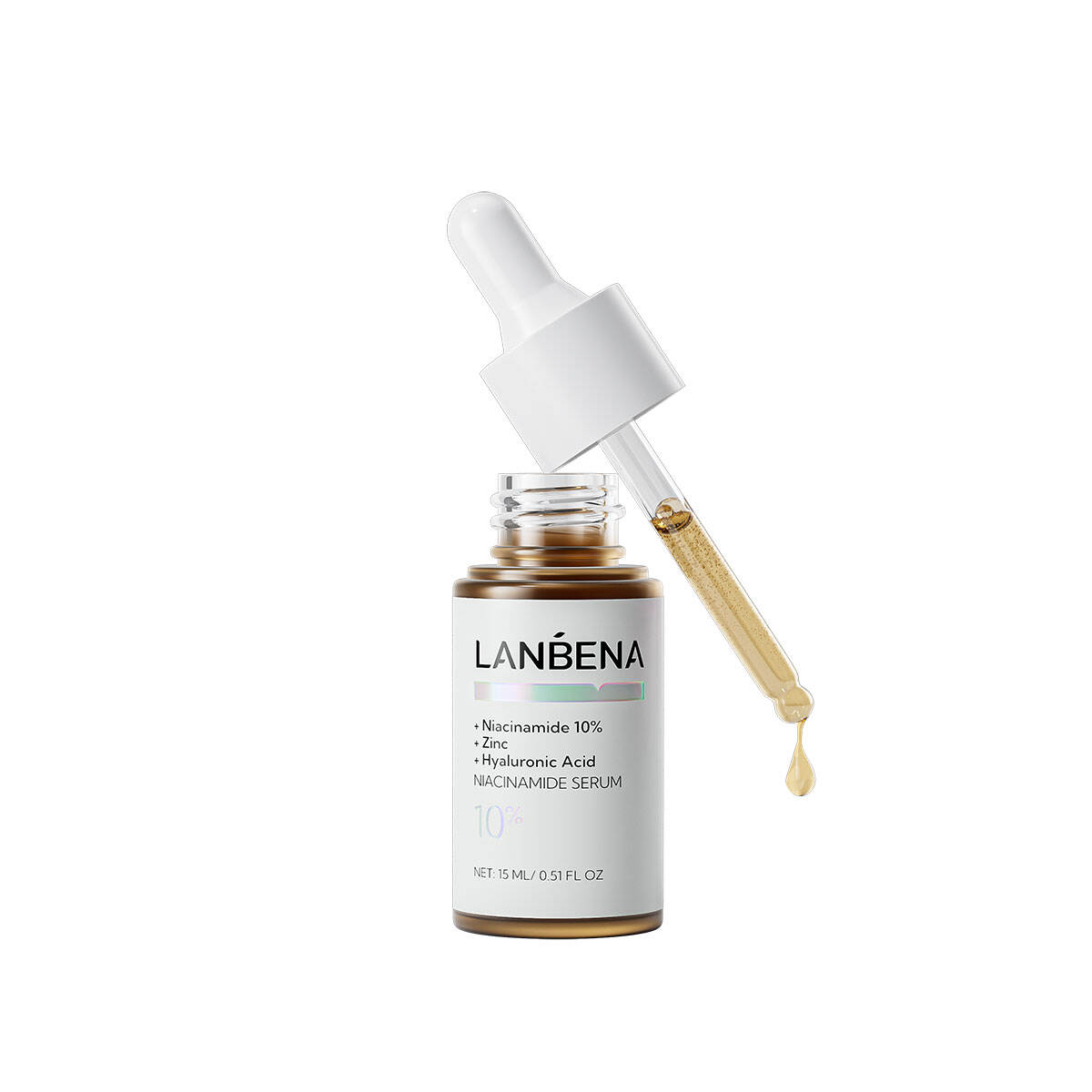
Extensive clinical research has demonstrated the effectiveness of properly formulated serums in addressing pore visibility concerns, with numerous peer-reviewed studies documenting measurable improvements in skin texture and pore diameter. A comprehensive study published in the Journal of Cosmetic Dermatology evaluated the effects of niacinamide-containing serums on pore appearance, revealing significant reductions in pore size measurements after twelve weeks of consistent application.
Research conducted at leading dermatological institutions has consistently shown that pore reducing serum formulations containing retinoids, alpha hydroxy acids, and peptides can deliver measurable improvements in skin smoothness and pore visibility. These studies typically employ advanced imaging techniques and standardized measurement protocols to ensure objective assessment of treatment outcomes, providing reliable evidence for serum efficacy.
Mechanism of Action in Pore Refinement
The effectiveness of pore reducing serum products stems from their ability to address multiple factors contributing to enlarged pore appearance through targeted ingredient delivery systems. Advanced serum formulations penetrate deeper into the skin compared to traditional creams or lotions, allowing active ingredients to reach the dermal layer where structural improvements can occur. This enhanced penetration capability enables more effective treatment of underlying causes rather than merely addressing surface-level concerns.
Key mechanisms include cellular turnover acceleration, which helps clear accumulated debris from pore openings while promoting the formation of new, healthy skin cells. Collagen synthesis stimulation represents another crucial mechanism, as increased collagen production helps restore structural support around pore openings, reducing their apparent size. Additionally, sebum regulation through targeted ingredient action helps prevent future pore stretching while maintaining optimal skin hydration levels.
Key Ingredients for Pore Minimization
Retinoids and Vitamin A Derivatives
Retinoids stand among the most scientifically validated ingredients for pore refinement, offering multiple benefits that address both immediate appearance concerns and long-term skin health. These vitamin A derivatives work by accelerating cellular turnover rates, helping to clear accumulated debris from pore openings while promoting the formation of new, healthier skin cells. The increased cell renewal process gradually improves skin texture and reduces the appearance of enlarged pores over time.
Different retinoid forms offer varying levels of potency and tolerance profiles, allowing individuals to select appropriate formulations based on their skin sensitivity and experience level. Retinol, retinaldehyde, and prescription retinoids each provide distinct advantages, with studies showing consistent pore size reduction when used as part of a comprehensive skincare regimen. The collagen-stimulating properties of retinoids also contribute to improved skin firmness around pore openings.
Alpha and Beta Hydroxy Acids
Chemical exfoliants in the form of alpha hydroxy acids and beta hydroxy acids provide essential pore-clearing benefits through their ability to dissolve dead skin cells and excess sebum that contribute to enlarged pore appearance. Glycolic acid, lactic acid, and salicylic acid each offer unique properties that make them valuable components in pore reducing serum formulations. These acids work by breaking down the bonds between dead skin cells, facilitating their removal and preventing pore blockages.
Salicylic acid deserves particular attention due to its oil-soluble nature, which allows it to penetrate into pore openings and dissolve sebum accumulations that contribute to enlarged appearance. Regular use of acid-containing serums helps maintain clear pores while promoting smoother skin texture through controlled exfoliation processes. The anti-inflammatory properties of these acids also help reduce redness and irritation associated with enlarged pores.
Application Techniques and Best Practices
Proper Application Methodology
Achieving optimal results from pore reducing serum applications requires adherence to specific techniques that maximize ingredient absorption while minimizing potential irritation risks. The application process should begin with thoroughly cleansed skin, as residual makeup, sunscreen, or environmental pollutants can create barriers that impede serum penetration. Gentle patting motions rather than rubbing help ensure even distribution while avoiding unnecessary skin manipulation that could contribute to irritation.
Timing of application plays a crucial role in serum effectiveness, with most pore reducing serum products best applied during evening skincare routines when skin enters its natural repair phase. The amount used should follow manufacturer guidelines, as excessive application rarely improves results while potentially increasing irritation risk. Allow adequate absorption time between serum application and subsequent product layers to ensure optimal penetration and effectiveness.
Integration with Existing Skincare Routines
Successfully incorporating pore reducing serum into established skincare routines requires careful consideration of ingredient compatibility and application sequencing to avoid adverse reactions or reduced effectiveness. The general rule of applying products from thinnest to thickest consistency ensures proper layering, with serums typically applied after cleansing and toning but before moisturizers and oils. This sequencing allows the concentrated active ingredients in serums to penetrate effectively without interference from heavier formulations.
Gradual introduction represents the safest approach when beginning pore reducing serum use, particularly for individuals with sensitive skin or those new to active ingredients. Starting with every-other-day application allows skin to adapt while monitoring for any signs of irritation or excessive dryness. Consistency in application timing and technique produces the most reliable results, with most individuals experiencing visible improvements within four to eight weeks of regular use.
Expected Results and Timeline
Short-term Improvements
Initial improvements from pore reducing serum use typically become noticeable within the first two to four weeks of consistent application, beginning with subtle changes in skin texture and oil control. Many users report improved makeup application and reduced shine throughout the day as serums begin to regulate sebum production and clear pore blockages. These early improvements often provide motivation to continue the treatment regimen while more significant changes develop over time.
Immediate benefits may include enhanced skin smoothness, reduced blackhead formation, and improved overall complexion clarity as active ingredients begin their work at the cellular level. The exfoliating effects of many pore reducing serum formulations contribute to a brighter, more even skin tone that becomes apparent relatively quickly. However, individual response rates vary based on factors such as skin type, severity of pore concerns, and consistency of product use.
Long-term Transformation Expectations
Significant pore size reduction and lasting skin texture improvements typically require three to six months of consistent pore reducing serum use, reflecting the time needed for cellular renewal and collagen synthesis processes to produce visible changes. Long-term users often report dramatic improvements in overall skin quality, including reduced pore visibility, improved firmness, and enhanced radiance that extends beyond the initial treatment goals.
The cumulative effects of regular serum use include strengthened skin barrier function, improved moisture retention, and enhanced resistance to environmental damage that can contribute to pore enlargement. Maintenance of results requires continued product use, as discontinuation may lead to gradual return of previous concerns. However, many individuals find that reduced application frequency can maintain improvements once desired results are achieved.
Potential Side Effects and Precautions
Common Adverse Reactions
While pore reducing serum products generally demonstrate excellent safety profiles when used appropriately, some individuals may experience mild side effects during the initial adaptation period. Common reactions include temporary skin dryness, slight redness, or increased sensitivity to sun exposure, particularly with products containing retinoids or alpha hydroxy acids. These effects typically subside as skin adapts to the active ingredients, usually within two to three weeks of regular use.
Purging represents another potential temporary effect, where increased cellular turnover brings existing blockages to the surface more quickly, potentially causing temporary increases in breakout activity. This process typically resolves within four to six weeks and often indicates that the serum is working effectively to clear pore contents. Understanding this normal adaptation process helps users maintain consistency during the initial treatment phase.
Safety Guidelines and Contraindications
Certain individuals should exercise caution or avoid specific pore reducing serum ingredients based on their skin condition, medication use, or pregnancy status. Those taking photosensitizing medications or undergoing certain dermatological treatments should consult healthcare providers before beginning new skincare regimens. Pregnant or nursing women may need to avoid retinoid-containing products, requiring alternative approaches to pore management during these periods.
Sun protection becomes particularly important when using pore reducing serum products, as many active ingredients increase skin sensitivity to ultraviolet radiation. Daily application of broad-spectrum sunscreen with appropriate SPF ratings helps prevent photodamage while maintaining the benefits achieved through serum use. Patch testing new products on a small skin area before full-face application can help identify potential allergic reactions or sensitivities.
FAQ
How long does it take to see results from pore reducing serums
Most individuals begin noticing improvements in skin texture and oil control within two to four weeks of consistent pore reducing serum use, with more significant pore size reduction becoming apparent after eight to twelve weeks. The timeline varies based on individual skin characteristics, severity of concerns, and the specific active ingredients in the chosen formulation. Consistency in application proves crucial for achieving and maintaining optimal results.
Can pore reducing serums be used with other skincare products
Pore reducing serum can typically be integrated successfully with most skincare products when proper layering techniques and ingredient compatibility are considered. Apply serums after cleansing but before heavier moisturizers, and allow adequate absorption time between product layers. However, combining multiple active ingredients may increase irritation risk, so gradual introduction and monitoring of skin response remains important for optimal outcomes.
Are there any ingredients to avoid when using pore reducing serums
While most skincare ingredients are compatible with pore reducing serum formulations, certain combinations may reduce effectiveness or increase irritation potential. Avoid simultaneous use of multiple strong acids or retinoids without professional guidance, and be cautious with vitamin C serums that may conflict with certain active ingredients. Always research ingredient interactions and consider consulting skincare professionals when building complex routines.
What skin types benefit most from pore reducing serums
Individuals with oily or combination skin types typically experience the most dramatic improvements from pore reducing serum use, as these formulations address excess sebum production and related pore concerns effectively. However, those with normal or dry skin can also benefit from gentle formulations that focus on texture improvement and preventive care. Sensitive skin types may require specially formulated products with lower concentrations of active ingredients to achieve results without irritation.