
 EN
EN
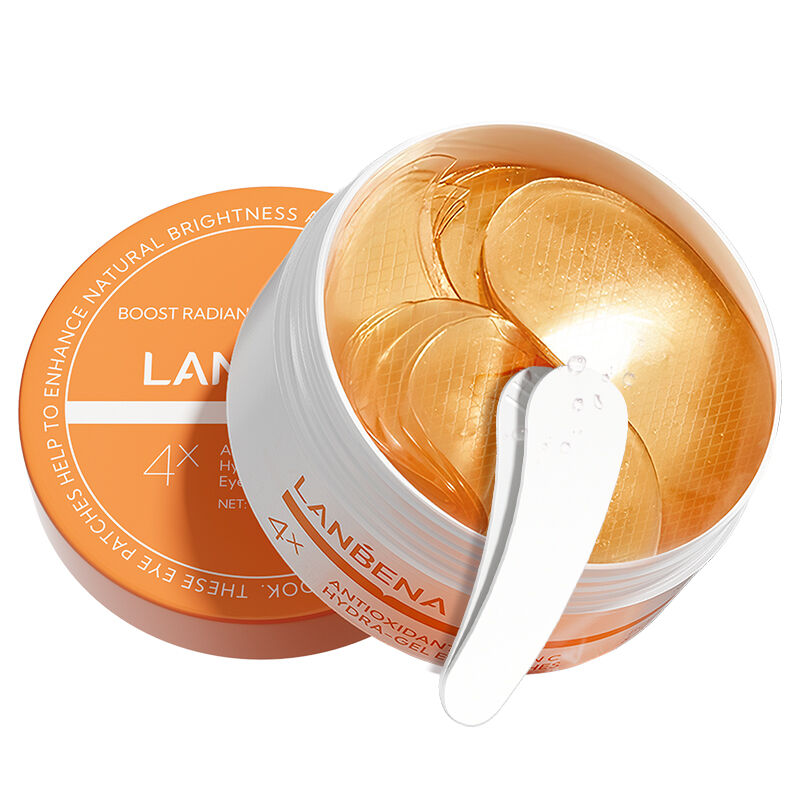
Eye patches have emerged as a popular skincare solution for addressing various under-eye concerns, including the persistent question of whether they can effectively minimize fine lines around the delicate eye area. These targeted treatments deliver concentrated ingredients directly to the skin, offering a specialized approach to anti-aging skincare that differs significantly from traditional creams and serums.
The effectiveness of eye patches in reducing fine lines depends on their formulation, active ingredients, and the specific mechanisms by which they deliver hydration and treatment compounds to the skin. Understanding how these patches work and what ingredients make them effective can help determine whether they represent a viable solution for minimizing the appearance of fine lines and supporting overall eye area health.
How Eye Patches Work to Address Fine Lines
Hydration and Plumping Effects
Eye patches primarily work by delivering intense hydration to the under-eye area, which can temporarily plump the skin and reduce the appearance of fine lines. The occlusive nature of most eye patches creates a barrier that prevents moisture loss while allowing active ingredients to penetrate more deeply into the skin. This hydration effect can make fine lines less noticeable by filling in the tiny creases with moisture.
The immediate plumping effect occurs because well-hydrated skin appears smoother and more youthful. When skin cells are properly hydrated, they expand slightly, which can minimize the depth and visibility of superficial fine lines. This effect is particularly noticeable in the thin, delicate skin around the eyes, where dehydration tends to make fine lines more prominent.
Active Ingredient Delivery System
Modern eye patches function as sophisticated delivery systems for anti-aging ingredients that specifically target fine lines. The patch format allows for prolonged contact time between active ingredients and the skin, typically ranging from 15 to 30 minutes. This extended contact period can enhance ingredient penetration compared to quickly absorbed creams or serums.
The occlusive environment created by eye patches also increases skin temperature slightly, which can improve the absorption of certain active ingredients. This warming effect opens up the skin's natural pathways for ingredient penetration, potentially making the treatment more effective than traditional topical applications.
Key Ingredients That Target Fine Lines
Hyaluronic Acid and Moisture-Binding Compounds
Hyaluronic acid stands out as one of the most effective ingredients in eye patches for addressing fine lines. This powerful humectant can hold up to 1,000 times its weight in water, making it exceptionally effective at drawing moisture to the skin and maintaining hydration levels. When delivered through eye patches, hyaluronic acid can provide sustained hydration that helps minimize the appearance of fine lines.
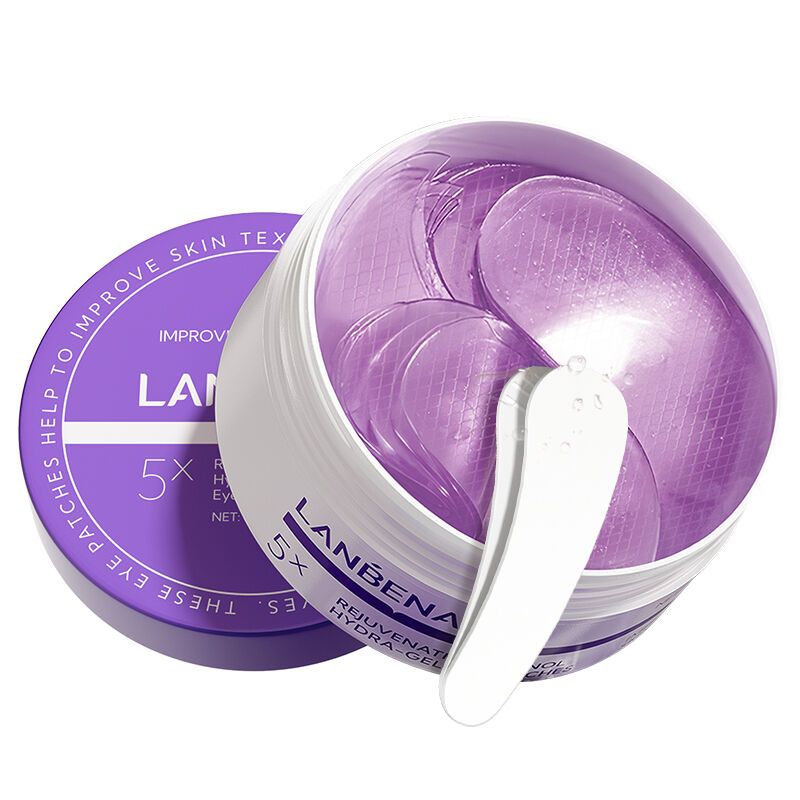
Other moisture-binding ingredients commonly found in eye patches include glycerin, sodium hyaluronate, and various forms of collagen peptides. These compounds work synergistically to create a hydrating environment that supports skin plumpness and reduces the visibility of fine lines. The sustained release of these ingredients through the patch format can provide longer-lasting effects than traditional skincare products.
Peptides and Collagen-Supporting Ingredients
Many eye patches contain peptides specifically designed to support collagen production and skin firmness. These small protein fragments can signal skin cells to produce more collagen and elastin, the structural proteins that keep skin smooth and resilient. While the effects of peptides typically require consistent use over time, they can contribute to long-term improvements in fine line appearance.
Retinol derivatives, vitamin C, and other collagen-supporting ingredients may also be incorporated into eye patches. These ingredients work to stimulate cellular renewal and support the skin's natural repair processes, potentially leading to gradual improvements in fine line appearance with regular use of eye patches.
Scientific Evidence and Treatment Effectiveness
Clinical Studies on Eye Patch Efficacy
Research on eye patches specifically targeting fine lines shows promising results, particularly for hydration-based improvements. Clinical studies have demonstrated that eye patches containing hyaluronic acid and peptides can produce measurable improvements in skin hydration and temporary reduction in fine line visibility within single treatment sessions.
Long-term studies on eye patches indicate that regular use over 4-8 weeks can lead to more sustained improvements in skin texture and fine line appearance. However, the degree of improvement varies significantly based on the severity of fine lines, skin type, and the specific formulation of the eye patches being used.
Immediate Versus Long-Term Results
Eye patches typically provide immediate cosmetic benefits that can last several hours after removal. These short-term effects include increased hydration, temporary plumping, and reduced fine line visibility. The immediate results make eye patches particularly popular for special occasions or when quick improvements in appearance are desired.
For long-term fine line reduction, eye patches require consistent use as part of a comprehensive skincare routine. The cumulative effects of regular hydration and active ingredient delivery can support skin health and potentially slow the formation of new fine lines, though dramatic permanent changes typically require more intensive treatments or professional procedures.
Optimal Usage and Treatment Protocols
Frequency and Application Guidelines
Most eye patches designed for fine line reduction should be used 2-3 times per week for optimal results. This frequency allows the skin to benefit from regular hydration and active ingredient delivery without over-treating the delicate eye area. Some intensive treatment eye patches may be designed for daily use, particularly those focusing primarily on hydration.
Proper application technique significantly impacts the effectiveness of eye patches in addressing fine lines. The patches should be applied to clean, dry skin and positioned to cover the areas where fine lines are most prominent. Gentle pressing during application ensures good contact between the patch and skin, maximizing ingredient transfer and treatment effectiveness.
Integration with Existing Skincare Routines
Eye patches work best when integrated thoughtfully into existing skincare routines rather than used as standalone treatments for fine lines. They can complement daily eye creams, serums, and other anti-aging products by providing periodic intensive hydration and concentrated ingredient delivery.
The timing of eye patch application can influence their effectiveness in addressing fine lines. Many users find that applying eye patches in the evening allows for maximum benefit from the hydrating effects overnight, while others prefer morning application to prepare the skin for makeup application and daily environmental stressors.
Realistic Expectations and Limitations
Understanding Treatment Boundaries
While eye patches can effectively minimize the appearance of fine lines, it's important to understand their limitations in addressing deeper wrinkles or structural skin changes. Eye patches work best on superficial fine lines caused by dehydration, minor sun damage, or early signs of aging. Deeper wrinkles or lines caused by significant sun damage or natural aging processes may require more intensive treatments.
The temporary nature of some eye patch benefits means that consistent use is necessary to maintain improvements in fine line appearance. Unlike permanent cosmetic procedures, the effects of eye patches are largely supportive and maintenance-oriented, requiring ongoing use to sustain benefits.
Factors Affecting Treatment Success
Individual skin characteristics significantly influence how effectively eye patches can minimize fine line appearance. Factors such as skin thickness, natural oil production, age, and overall skin health all impact treatment outcomes. Younger skin with superficial fine lines typically responds more favorably to eye patch treatments than mature skin with established wrinkle patterns.
Environmental factors and lifestyle choices also affect the success of eye patches in addressing fine lines. Proper sun protection, adequate hydration, sufficient sleep, and a healthy diet all support the effectiveness of eye patch treatments and contribute to overall skin health around the eye area.
FAQ
How quickly can eye patches show results for fine lines?
Eye patches typically provide immediate temporary improvement in fine line appearance within 15-30 minutes of application, with effects lasting several hours. For more lasting results, consistent use over 4-6 weeks is generally needed to see cumulative benefits in skin texture and hydration levels.
Can eye patches replace my regular eye cream for fine lines?
Eye patches work best as a complement to, rather than replacement for, daily eye creams. While patches provide intensive periodic treatment, daily eye creams offer consistent maintenance and protection. Using both together typically produces better results for fine line management than relying on either treatment alone.
Are there any side effects from using eye patches for fine lines?
Most people can use eye patches safely with minimal side effects. Occasional mild irritation, redness, or sensitivity may occur, particularly with patches containing active ingredients like retinol or glycolic acid. Always patch test new products and discontinue use if persistent irritation develops.
How long should I leave eye patches on for maximum fine line benefits?
Most eye patches should be left on for 15-30 minutes as directed by the manufacturer. Leaving patches on longer than recommended doesn't necessarily improve results and may cause irritation. Some overnight patches are designed for extended wear, but these should only be used as specifically formulated and labeled for extended application.